Tranquility · Incontinence Pads & Protection
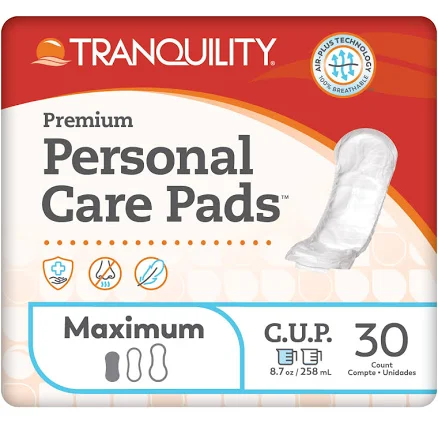
Tranquility Ultimate Personal Care Pad
Waterproof layer raises concern; brand provides no PFAS information publicly.
Period pads often contain waterproof polymer backings that may hold PFAS. Tranquility makes no public PFAS commitments or testing available to you.
The better-graded swap
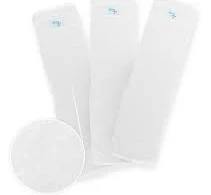
Adult Bamboo Booster Pads
70/100 safety
Same rubric that flunked this product. The swap earned Good.
Still want this one anyway? Check the price on Amazon. We’d swap it.
Material
cellulose, polymer absorbent core, plastic backing with waterproof treatment
Brand disclosure
Brand is silent on PFAS
Lab data
No public lab test
You may also be interested in
Top-graded picks in the categories readers replace first, every one scored on the same rubric.

- polypropylene filter housing, carbon/sediment cartridge
- We found no PFAS statement from the brand
- Bacterial growth in spent cartridges
3 hazards checked on this product, all on its full breakdown.

Aquasure
Premier Series 75 GPD Under Sink Reverse Osmosis Water Filtration System
- RO membrane, carbon filters, stainless steel housing
- We found no PFAS statement from the brand
- Bacterial and microbial growth in housing and filters
4 hazards checked on this product, all on its full breakdown.

Avocado
Vegan Mattress
- organic cotton, natural latex, coconut coir, recycled steel coils
- The brand calls it PFAS-free, which we have not verified
- Heavy metals
2 hazards checked on this product, all on its full breakdown.
What Tranquility Ultimate Personal Care Pad is made of, ingredients and materials
Tranquility Ultimate uses cellulose fibers (wood pulp) as the absorbent layer, which is a standard, low-toxicity material. The polymer absorbent core is typically sodium polyacrylate or similar superabsorbent polymer, chosen for rapid fluid absorption and is not systemically absorbed through skin. The plastic backing with waterproof treatment is the material of concern, waterproof coatings on period products often rely on Teflon-type coating, silicones, or fluorinated compounds to repel moisture. Without disclosure from Tranquility, the specific chemistry of this layer cannot be verified.
What’s concerning
Category baseline
The starting point for this type of product, before anything specific to this product is counted.
No PFAS disclosure
No public statement from the brand about PFAS in this product.
Waterproof / stain-resistant treatment
Water-repellent coating treatments have historically used PFAS.
PFAS
Waterproof plastic layer is a common vector for PFAS (fluorinated compounds) in period products. Tranquility has not disclosed the chemistry of this layer, so PFAS presence cannot be ruled out. Direct skin contact over menstrual cycle is prolonged and intimate.
Source, ATSDR ↗Sodium polyacrylate (absorbent polymer) skin irritation
Superabsorbent polymers used in period pads are generally recognized as safe by FDA at low migration levels, but some users with sensitive skin or polymer sensitivities report localized irritation or rash. Risk is higher with extended wear (over 8 hours) or in warm, moist conditions.
What’s reassuring
Plastic backing off-gassing or leachates
No documented reports of volatile organic compounds (VOCs) or plasticizer leaching from Tranquility Ultimate's plastic backing into menstrual fluid. However, without material disclosure, potential for phthalates or other plasticizers cannot be independently verified.
Cellulose processing residues (dioxins, chlorine)
Modern cellulose production for hygiene products typically uses elemental chlorine-free (ECF) or totally chlorine-free (TCF) bleaching. No evidence of dioxin contamination in commercial period pads. Tranquility does not advertise TCF certification, so ECF is likely; risk is low but not zero.
Fragrance or additive allergens
Tranquility Ultimate does not advertise added fragrance or scent. Unscented pads pose minimal allergen risk from cosmetic additives, though individual sensitivity to cellulose or polymer itself is rare.
How is this PFAS grade calculated?
The brand's record and disclosure
Tranquility (owned by Essity, a Swedish hygiene company) has not publicly disclosed detailed ingredient lists or manufacturing certifications specific to this product line on PFAS or other chemical treatments. The brand does not advertise certifications like Cradle to Cradle, GOTS, or other third-party safety seals that would indicate rigorous chemical screening. This silence on waterproof layer composition is notable given growing scrutiny of PFAS in period products from organizations like CPTPP (Center for Public Integrity). No major recalls for this specific product are on record, but the lack of transparency limits independent assessment.
How it compares in its category
Period pads vary widely in waterproof backing strategy. Some brands (e.g., Seventh Generation, Cora) use certified organic cotton with plant-based or disclosed waterproof layers. Others (including many conventional brands) use plastic backings with undisclosed treatments, similar to Tranquility Ultimate. Tranquility sits in the middle-market conventional segment, affordable and widely available, but without the transparency or certifications of premium brands focused on chemical disclosure. Chlorine-free bleaching is now standard across most major brands, so that is not a differentiator here.
If you buy it
Store pads in a cool, dry place away from direct sunlight to avoid accelerating any polymer or plastic degradation. Change pads every 4-8 hours depending on flow; prolonged contact with any absorbent polymer may increase skin sensitivity risk in susceptible individuals. Do not incinerate or flush; dispose as general waste to avoid environmental release. If you experience irritation, rash, or allergic reaction, discontinue use and consider requesting ingredient disclosure from Tranquility or switching to a brand with published chemical information.
What is not known about PFAS in this product?
- Basis
- Model estimate, 45% confidence, not a lab result
- Lab test
- None on record for this exact product
- Brand statement
- Tranquility has made none
Formulations change between production runs, so check the current label. How we grade.
What are the PFAS-free alternatives to Tranquility Ultimate Personal Care Pad?
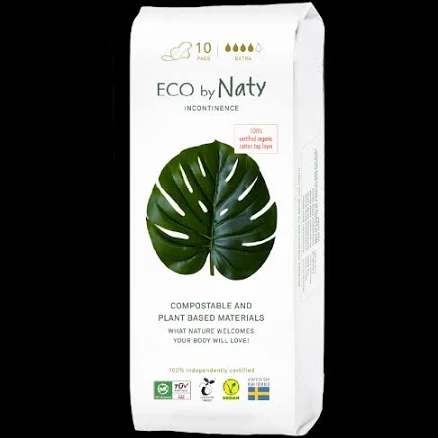
- Bamboo-derived viscose, cotton, plant-based absorbent core
- We found no PFAS statement from the brand
- Heavy metals
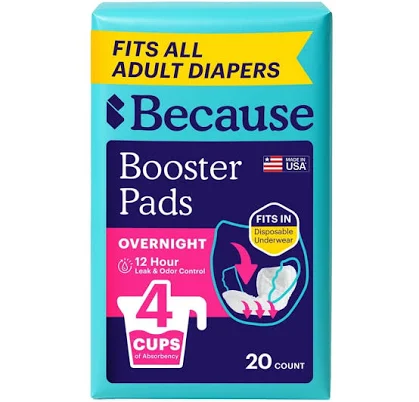
- Cellulose, superabsorbent polymer, cotton blend
- We found no PFAS statement from the brand
- Absorbent material degradation and bacterial growth
2 hazards checked on this product, all on its full breakdown.
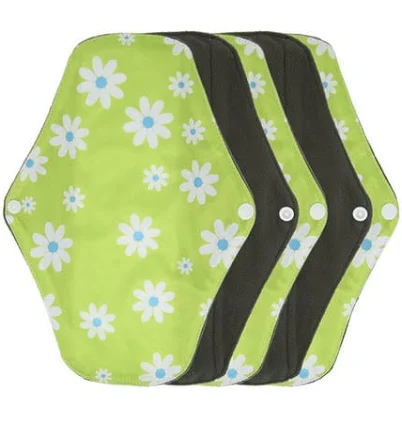
5pcs Bamboo Charcoal Washable Incontinence Pads
- bamboo charcoal textile, washable cotton-blend absorbent layer
- We found no PFAS statement from the brand
- Azo dyes and synthetic colorants
4 hazards checked on this product, all on its full breakdown.
More incontinence pads & protection grades
How we score, every product runs through the same public 0-100 rubric based on materials, coatings, brand disclosure, lab findings, and recalls. See the full methodology → Spotted a mistake? Report an error.