Tranquility · Incontinence Pads & Protection
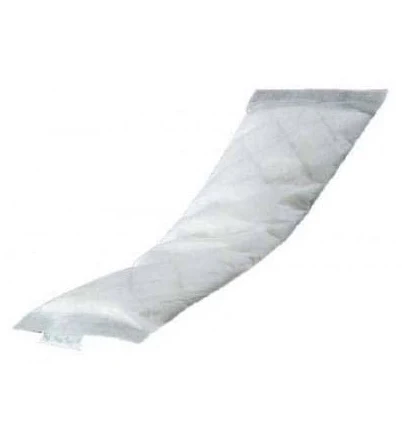
Tranquility Unisex Disposable Incontinence Booster Pad
Wait for brand to reveal waterproof layer composition before purchasing.
Incontinence booster pads typically use waterproof polymer backings where PFAS is frequently applied. The brand offers no public material data or testing results.
The better-graded swap
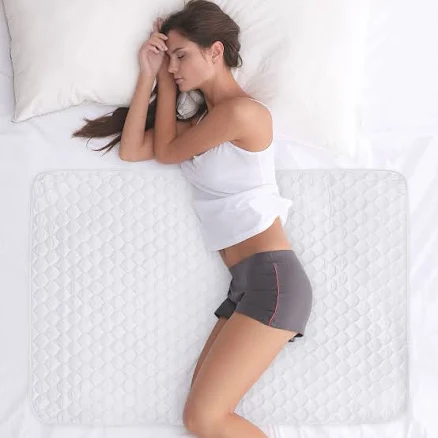
Organic Bamboo Incontinence Pads - White
70/100 safety
Same rubric that flunked this product. The swap earned Good.
Still want this one anyway? Check the price on Amazon. We’d swap it.
Material
Cellulose core, nonwoven layers, waterproof backing (unspecified polymer)
Brand disclosure
Brand is silent on PFAS
Lab data
No public lab test
You may also be interested in
Top-graded picks in the categories readers replace first, every one scored on the same rubric.

- polypropylene filter housing, carbon/sediment cartridge
- We found no PFAS statement from the brand
- Bacterial growth in spent cartridges
3 hazards checked on this product, all on its full breakdown.

Aquasure
Premier Series 75 GPD Under Sink Reverse Osmosis Water Filtration System
- RO membrane, carbon filters, stainless steel housing
- We found no PFAS statement from the brand
- Bacterial and microbial growth in housing and filters
4 hazards checked on this product, all on its full breakdown.

Avocado
Vegan Mattress
- organic cotton, natural latex, coconut coir, recycled steel coils
- The brand calls it PFAS-free, which we have not verified
- Heavy metals
2 hazards checked on this product, all on its full breakdown.
What Tranquility Unisex Disposable Booster Pad is made of, ingredients and materials
Tranquility booster pads use a cellulose absorptive core (standard, biodegradable material) wrapped in nonwoven polypropylene or polyester layers for structure and fluid distribution. The waterproof backing polymer is not specified on packaging or brand disclosures, which is the primary safety concern. Cellulose itself does not leach harmful chemicals under normal use, but the unidentified waterproof layer may contain PFAS-based coatings or other synthetic polymers.
What’s concerning
Category baseline
The starting point for this type of product, before anything specific to this product is counted.
No PFAS disclosure
No public statement from the brand about PFAS in this product.
Waterproof / stain-resistant treatment
Water-repellent coating treatments have historically used PFAS.
PFAS
Waterproof polymer layer composition is undisclosed. Many incontinence product manufacturers use PFOA- or PFOS-based coatings; Tranquility has not ruled this out, warranting precaution.
Source, ATSDR ↗Skin irritation from nonwoven materials
Nonwoven polypropylene or polyester fibers can cause localized contact dermatitis in individuals with sensitive skin, especially with prolonged contact. Risk is low but documented in incontinence product complaints.
Microplastic shedding
Nonwoven synthetic fibers can shed microscopic particles during use or washing of reusable products. Long-term systemic risk is uncertain but environmentally relevant for disposed pads.
What’s reassuring
Superabsorbent polymer (SAP) toxicity
If product contains polyacrylate SAP (common in boosters), no established acute toxicity risk from skin contact under normal use. SAP is regulated by FDA for use in incontinence products.
Adhesive or tackifier residue
No adhesive layer is typical in booster pads (they rely on absorption and fit). No established hazard from packaging adhesives with normal handling.
How is this PFAS grade calculated?
The brand's record and disclosure
Tranquility (SCA/Essity subsidiary) does not publicly disclose waterproof backing composition or PFAS content for this product line. The brand has not published transparency reports on PFAS "forever chemicals" in incontinence products, despite market-wide pressure on other major suppliers. No formal third-party certifications (e.g., Oeko-Tex, bluesign) are advertised for this booster pad.
How it compares in its category
Most disposable incontinence boosters rely on polyacrylate superabsorbent polymers (SAP) and waterproof backings; Tranquility's approach is typical in this respect. Competitors like Tena and Attends also rarely disclose PFAS status, making this category-wide opacity rather than brand-specific failure. Reusable or washable booster pad alternatives (cotton-polyester blends) eliminate the waterproof polymer hazard but require laundering and are less convenient.
If you buy it
Store pads in a cool, dry location away from heat or prolonged sunlight, which can degrade polymer layers. Change pads regularly to prevent skin maceration and irritation, especially in warm or humid climates where moisture accumulates. Do not dispose of used pads in compostable waste streams due to the waterproof synthetic backing. If skin sensitivity or rash develops, switch to an alternative brand or consult a healthcare provider, as nonwoven materials can sometimes irritate sensitive skin.
What is not known about PFAS in this product?
- Basis
- Model estimate, 45% confidence, not a lab result
- Lab test
- None on record for this exact product
- Brand statement
- Tranquility has made none
Formulations change between production runs, so check the current label. How we grade.
What are the PFAS-free alternatives to Tranquility Unisex Disposable Incontinence Booster Pad?
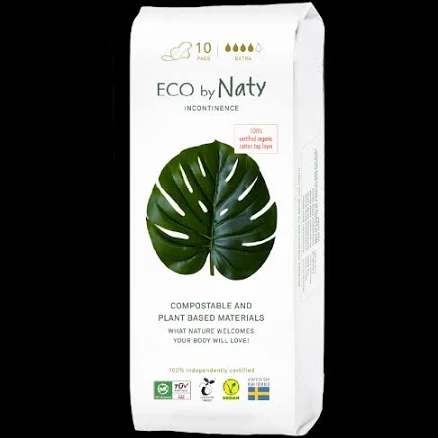
- Bamboo-derived viscose, cotton, plant-based absorbent core
- We found no PFAS statement from the brand
- Heavy metals
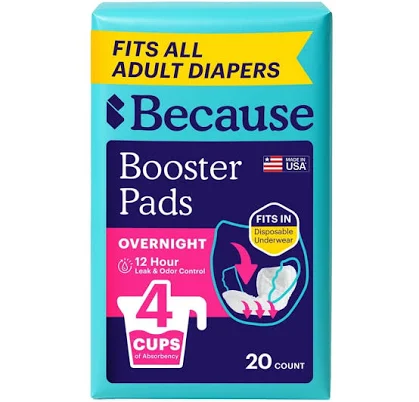
- Cellulose, superabsorbent polymer, cotton blend
- We found no PFAS statement from the brand
- Absorbent material degradation and bacterial growth
2 hazards checked on this product, all on its full breakdown.
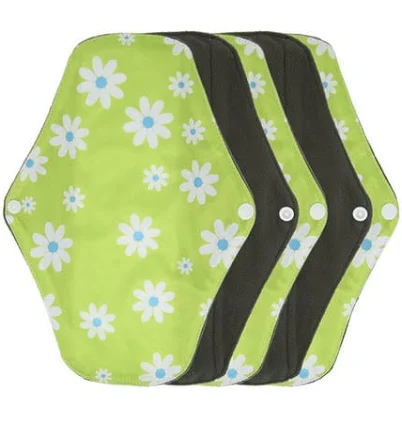
5pcs Bamboo Charcoal Washable Incontinence Pads
- bamboo charcoal textile, washable cotton-blend absorbent layer
- We found no PFAS statement from the brand
- Azo dyes and synthetic colorants
4 hazards checked on this product, all on its full breakdown.
More incontinence pads & protection grades
How we score, every product runs through the same public 0-100 rubric based on materials, coatings, brand disclosure, lab findings, and recalls. See the full methodology → Spotted a mistake? Report an error.