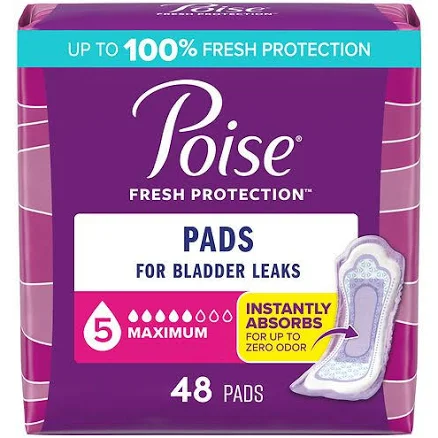
Poise · Incontinence Pads & Protection
Poise Bladder Control Pad
Avoid; incontinence pads often use PFAS-based waterproofing.
Poise pads are waterproof and designed to prevent leaks. The brand won't disclose PFAS; absorbent hygiene products commonly use water-repellent coatings that may contain PFAS.
The better-graded swap
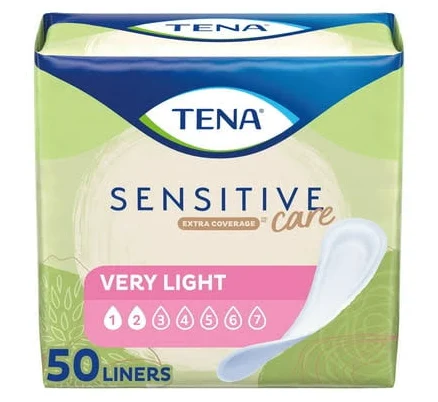
Tena
TENA Very Light
70/100 safety
Same rubric that flunked this product. The swap earned Good.
Still want this one anyway? Check the price on Amazon. We’d swap it.
Material
Absorbent core with waterproofing layer, adhesive backing
Brand disclosure
Brand is silent on PFAS
Lab data
No public lab test
What Poise Bladder Control Pad is made of, ingredients and materials
Poise pads use an absorbent cellulose or polymer core designed to trap and lock moisture, a waterproof backing layer (material composition not publicly detailed by brand), and an adhesive strip for securing to underwear. The waterproof layer is the critical component, if formulated with fluorinated compounds (PFAS), these persist in the body and environment indefinitely. The brand has not disclosed whether this backing uses PFAS-based or non-fluorinated waterproofing, which is a significant transparency gap for a product in direct contact with sensitive skin and repeatedly discarded.
What’s concerning
Category baseline
The starting point for this type of product, before anything specific to this product is counted.
No PFAS disclosure
No public statement from the brand about PFAS in this product.
Waterproof / stain-resistant treatment
Water-repellent coating treatments have historically used PFAS.
PFAS
Incontinence pads as a category typically rely on fluorinated compound waterproofing due to performance requirements. Poise has not disclosed its waterproofing chemistry, and the brand has not committed to PFAS-free alternatives, making PFAS presence in the backing layer probable unless otherwise stated.
Source, ATSDR ↗Adhesive skin irritant potential
User reports and dermatology literature document contact dermatitis and sensitization from adhesive strips in incontinence pads across multiple brands, including Poise. Individual skin sensitivity varies; adhesives used are not uniquely hazardous but are a recognized irritant for a subset of users.
Microplastic and polymer fragment release
Absorbent polymers (typically sodium polyacrylate in the core) can degrade or shed particles during use or storage, particularly if the pad is compressed, folded repeatedly, or exposed to moisture cycling. Clinical significance is unclear, but small polymer fragments entering the urinary or reproductive tract are a theoretical concern with frequent daily use.
Fragrance and additive allergens
Poise offers scented variants marketed for odor control. Fragrance compounds and antimicrobial additives in scented pads are a documented trigger for vulvovaginal irritation and allergic contact dermatitis in sensitive individuals; unscented variants are available as a lower-concern alternative.
What’s reassuring
Skin maceration and moisture-related infection risk
No specific hazard of the Poise pad itself, but prolonged moisture exposure under the pad (even with high absorbency) can soften and weaken skin barrier and create conditions favorable to fungal or bacterial growth. This is a use and maintenance issue rather than a product defect, managed by frequent pad changes.
The full breakdown
The brand's record and disclosure
Poise, owned by Kimberly-Clark, does not publicly disclose material composition details or waterproofing chemistry for its incontinence pads. The brand has not issued statements addressing PFAS use or adoption of alternatives. Kimberly-Clark has committed to reducing PFAS in some product lines (notably tissue), but incontinence pads are not explicitly mentioned in public sustainability reports. This silence on a product category with high PFAS exposure risk is a material disclosure weakness.
How it compares in its category
Most traditional incontinence pads from major brands (Depend, Tena, Poise) have not publicly moved away from PFAS-based waterproofing; the industry norm remains fluorinated barriers. Some smaller or specialty brands (e.g., cloth pads, certain European products) now offer PFAS-free options, though availability and absorbency vary. Poise occupies the mainstream market segment where PFAS waterproofing is still standard practice, making it representative of the sector's current composition rather than a leader in safer alternatives.
If you buy it
Use pads only as directed and change them frequently to minimize skin contact duration and reduce cumulative PFAS exposure from the backing. Do not attempt to wash or reuse pads; they are single-use and degradation of the waterproof layer increases leakage and skin irritation risk. Store in a cool, dry place away from heat sources; there is no evidence that normal room temperature affects the pad's structure, but extreme heat (e.g., car interiors in summer) could theoretically stress adhesive bonds. If you experience skin redness, rash, or irritation, discontinue use and consider patch-testing on a small area or switching brands to identify whether it is product-specific.
What we don’t know
- Basis
- Model estimate, 35% confidence, not a lab result
- Lab test
- None on record for this exact product
- Brand statement
- Poise has made none
Formulations change between production runs, so check the current label. How we grade.
Better-graded alternatives in Incontinence Pads & Protection
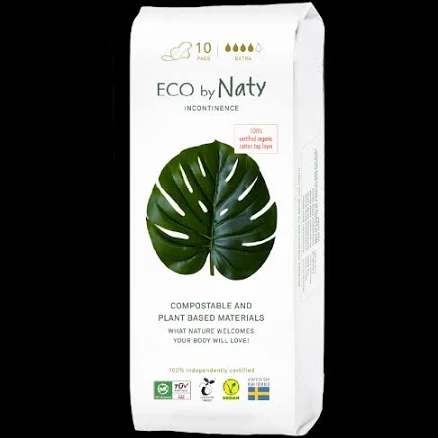
Eco By Naty
Incontinence Pads
- Bamboo-derived viscose, cotton, plant-based absorbent core
- We found no PFAS statement from the brand
- Heavy metals
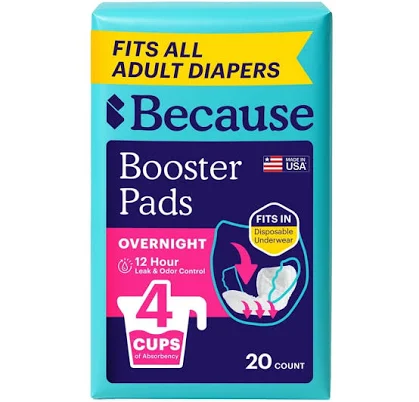
Because Market
Because Booster Pads
- Cellulose, superabsorbent polymer, cotton blend
- We found no PFAS statement from the brand
- Absorbent material degradation and bacterial growth
2 hazards checked on this product. See all of them.
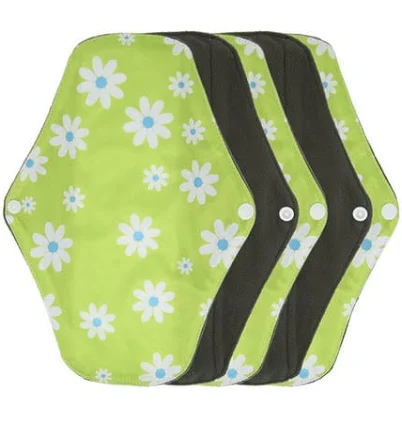
5pcs Bamboo Charcoal Washable Incontinence Pads
- bamboo charcoal textile, washable cotton-blend absorbent layer
- We found no PFAS statement from the brand
- Azo dyes and synthetic colorants
4 hazards checked on this product. See all of them.
More incontinence pads & protection grades
How we score, every product runs through the same public 0-100 rubric based on materials, coatings, brand disclosure, lab findings, and recalls. See the full methodology → Spotted a mistake? Report an error.