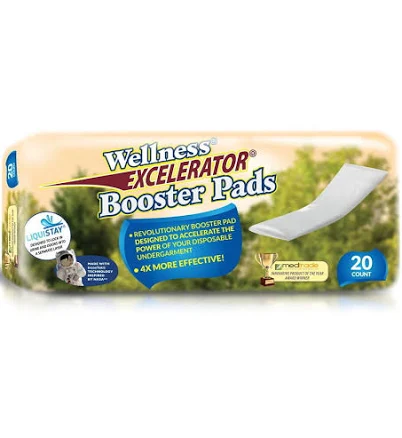
Wellness · Incontinence Pads & Protection
Wellness Excelerator Booster Pads Package for Incontinence Care
Avoid until brand discloses waterproof layer composition.
These incontinence pads need waterproof backing, often PFAS-based, but Wellness refuses to disclose materials or PFAS status. No public information available.
The better-graded swap
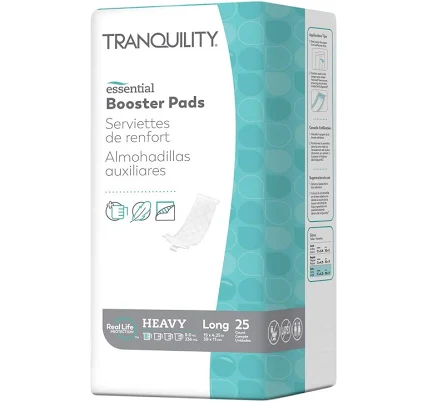
Tranquility
Tranquility Essential Booster Pads Heavy Absorbency, Long - 4-1/4 x 15 Inch (Case of 200)
70/100 safety
Same rubric that flunked this product. The swap earned Good.
Still want this one anyway? Check the price on Amazon. We’d swap it.
Material
absorbent core with unspecified waterproof backing layer
Brand disclosure
Brand is silent on PFAS
Lab data
No public lab test
What Wellness Excelerator Booster Pads Package is made of, ingredients and materials
Incontinence booster pads typically use cellulose or rayon as the absorbent core, which are generally low-risk materials. The critical unknown here is the waterproof backing layer, which manufacturers often treat with water-resistant coatings or films that may contain PFAS chemicals to repel liquids. Without Wellness disclosing this backing composition, you cannot assess whether this product introduces fluorinated compounds during extended skin contact.
What’s concerning
Category baseline
The starting point for this type of product, before anything specific to this product is counted.
No PFAS disclosure
No public statement from the brand about PFAS in this product.
Waterproof / stain-resistant treatment
Water-repellent coating treatments have historically used PFAS.
PFAS
Waterproof coatings on incontinence pads commonly use PFAS to achieve liquid repellency. Wellness has not disclosed whether polyurethane, polyethylene, or fluorinated films are used; skin contact over hours increases dermal absorption risk compared to shorter-wear menstrual pads.
Source, ATSDR ↗Adhesive or fastener allergens
Adhesives on incontinence pads can contain acrylates or rubber allergens that trigger contact dermatitis with prolonged skin exposure. Wellness does not specify adhesive chemistry; users with sensitive skin report irritation but causation is not independently verified for this brand.
Microplastics
If the waterproof layer is a polyethylene or polyurethane film, prolonged skin contact or friction could theoretically shed microparticles. No quantified data exists for incontinence pads, and this risk is speculative compared to the confirmed PFAS uncertainty.
Source, EPA ↗What’s reassuring
Absorbent core additives (dioxins, chlorine byproducts)
If the core is bleached cellulose or rayon, trace dioxins from the bleaching process are a theoretical concern, but published testing of major incontinence pad brands shows levels far below actionable thresholds. No recalls or documented harm linked to Wellness pads specifically.
Skin maceration and secondary bacterial infection
Not a chemical hazard, but incontinence pads that trap moisture for extended periods create an environment for skin breakdown and infection.
The full breakdown
The brand's record and disclosure
Wellness (owned by Essity) has not publicly committed to PFAS-free absorbent hygiene products or disclosed waterproof backing materials on this product line. The brand's silence on backing chemistry is a significant transparency gap in a category where skin contact and potential dermal absorption are routine. No major recalls or contamination findings are on record for this specific product, but lack of disclosure does not equal lack of hazard.
How it compares in its category
Incontinence booster pads sit between traditional menstrual pads (higher scrutiny for PFAS) and medical-grade adult incontinence products (sometimes more transparent about materials). Many competitors in the incontinence category also remain vague on backing composition, making this a systemic transparency problem rather than a Wellness-only issue. However, some smaller brands have begun publishing PFAS-free or material specifications in response to consumer demand.
If you buy it
Store in a cool, dry place away from heat, as this will not degrade the core but may stress unknown coating durability. Change pads promptly when saturated to minimize skin maceration risk (separate from chemical hazards). If skin irritation develops during use, discontinue and consult a healthcare provider, as it could signal contact sensitivity to backing or adhesive. Request written material safety information from Wellness before committing to regular use; their silence is your negotiating point.
What we don’t know
- Basis
- Model estimate, 35% confidence, not a lab result
- Lab test
- None on record for this exact product
- Brand statement
- Wellness has made none
Formulations change between production runs, so check the current label. How we grade.
Better-graded alternatives in Incontinence Pads & Protection
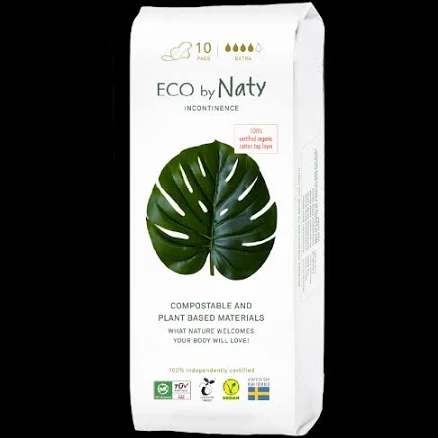
Eco By Naty
Incontinence Pads
- Bamboo-derived viscose, cotton, plant-based absorbent core
- We found no PFAS statement from the brand
- Heavy metals
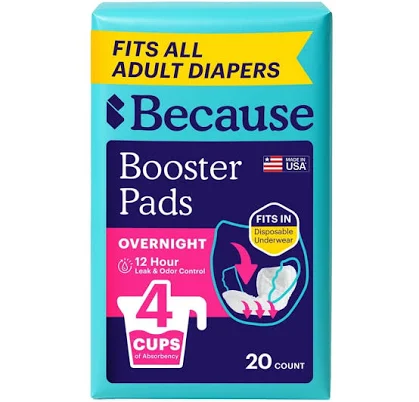
Because Market
Because Booster Pads
- Cellulose, superabsorbent polymer, cotton blend
- We found no PFAS statement from the brand
- Absorbent material degradation and bacterial growth
2 hazards checked on this product. See all of them.
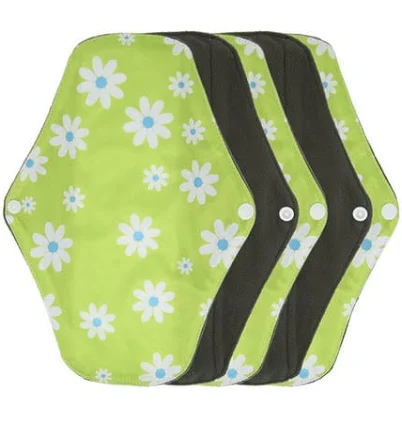
5pcs Bamboo Charcoal Washable Incontinence Pads
- bamboo charcoal textile, washable cotton-blend absorbent layer
- We found no PFAS statement from the brand
- Azo dyes and synthetic colorants
4 hazards checked on this product. See all of them.
More incontinence pads & protection grades
How we score, every product runs through the same public 0-100 rubric based on materials, coatings, brand disclosure, lab findings, and recalls. See the full methodology → Spotted a mistake? Report an error.