Abri-Form · Incontinence Pads & Protection
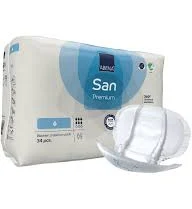
Abena Abri-San Premium Shaped Incontinence Pad
Waterproof backing material undisclosed, PFAS risk cannot be assessed.
Abena does not disclose whether its waterproof backing uses PFAS compounds or other methods. Incontinence pads commonly require water barriers, yet this brand keeps coating materials private.
The better-graded swap
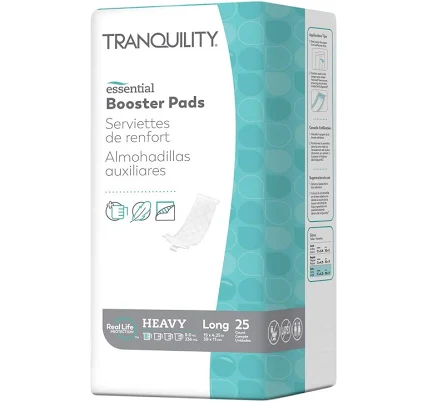
Tranquility
Tranquility Essential Booster Pads Heavy Absorbency, Long - 4-1/4 x 15 Inch (Case of 200)
70/100 safety
Same rubric that flunked this product. The swap earned Good.
Still want this one anyway? Check the price on Amazon. We’d swap it.
Material
Cellulose, superabsorbent polymer, waterproof backing coating unspecified
Brand disclosure
Brand is silent on PFAS
Lab data
No public lab test
What Abena Abri-San Premium Shaped is made of, ingredients and materials
Abri-San Premium uses cellulose (wood pulp fiber) as its absorbent core, a material not a material linked to PFAS. The pad includes a superabsorbent polymer (SAP), typically sodium polyacrylate, which has a long safety history in absorbent hygiene products and does not leach into skin under normal use. The waterproof backing layer is not specified in public product information; this is the critical gap, as the coating material determines whether PFAS or other synthetic leachables are present.
What’s concerning
Category baseline
The starting point for this type of product, before anything specific to this product is counted.
No PFAS disclosure
No public statement from the brand about PFAS in this product.
Waterproof / stain-resistant treatment
Water-repellent coating treatments have historically used PFAS.
PFAS
The backing layer material is not disclosed in public product documentation. Waterproof coatings in absorbent hygiene products commonly use fluorinated polymers (e.g., Teflon-type coating) or polyurethane; if fluorinated, PFAS leaching into skin during extended wear is a plausible exposure route, though migration rates are typically low for intact coatings.
Source, ATSDR ↗Skin irritation from SAP or adhesive contact
Sodium polyacrylate in incontinence pads can cause mild contact dermatitis in sensitive individuals, particularly with prolonged skin contact or if particles escape the nonwoven layer. Abena does not specify adhesive chemistry; acrylic-based adhesives are standard but can trigger reactions in users with adhesive sensitivities.
Microplastic or particulate shedding
Nonwoven synthetics in the pad structure may shed microscopic fibers with mechanical stress or degradation over the product lifetime. No specific testing of Abri-San for particulate release is on record, but this is a known category risk for all nonwoven-based pads.
Degradation of waterproof backing over storage or repeated washing
If a user stores pads in humid environments or attempts to wash and reuse them (not recommended), the backing coating may degrade, compromising waterproof integrity and increasing leakage. Incontinence pads are single-use; degradation risk is low under normal storage but rises with misuse.
What’s reassuring
Fragrance additives or allergens
Abri-San Premium is marketed as 'odor control' but the fragrance or odor-neutralizing agent is not itemized in available product specifications. If synthetic fragrances are used, they could trigger sensitivity in some users, though no adverse event reports are documented.
The full breakdown
The brand's record and disclosure
Abena (parent company SCA, now Essity) has not publicly committed to PFAS-free formulations or released transparency reports on backing materials in their incontinence range. The brand maintains ISO 13485 medical device certification for quality assurance but does not disclose polymer coating chemistry on product packaging or websites reviewed. No major recalls or safety controversies specific to Abri-San pads are on record, though the silent stance on backing material composition is a transparency gap typical of many incontinence pad manufacturers.
How it compares in its category
Abri-San Premium occupies the mid-to-premium segment of incontinence pads; its cellulose and SAP core is standard across the category and functionally equivalent to competitors like Tena or Attends. The key differentiator remains the unspecified backing, which is a shared problem across most major brands; few manufacturers publicly commit to PFAS-free or fluorine-free waterproof coatings. Unlike some eco-focused alternatives (e.g., Naty), Abri-San does not market sustainability or chemical transparency.
If you buy it
Store pads in a cool, dry place away from direct sunlight to prevent SAP degradation and maintain adhesion integrity. Use for the intended duration only (typically 4-8 hours) and change promptly to minimize skin irritation risk from prolonged moisture. Inspect pads before use for any signs of packaging damage or separation of layers. If skin irritation or allergic reactions occur, discontinue use and contact the manufacturer or healthcare provider; consider requesting specific backing material information from Abena customer service.
What we don’t know
- Basis
- Model estimate, 45% confidence, not a lab result
- Lab test
- None on record for this exact product
- Brand statement
- Abri-Form has made none
Formulations change between production runs, so check the current label. How we grade.
Better-graded alternatives in Incontinence Pads & Protection
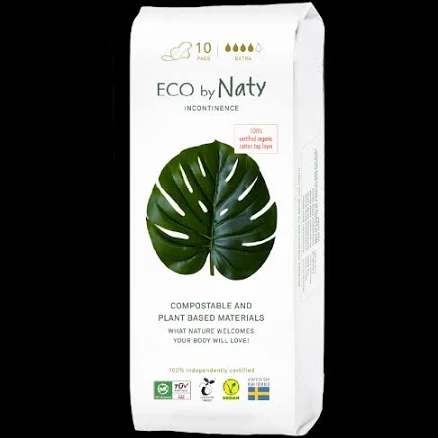
Eco By Naty
Incontinence Pads
- Bamboo-derived viscose, cotton, plant-based absorbent core
- We found no PFAS statement from the brand
- Heavy metals
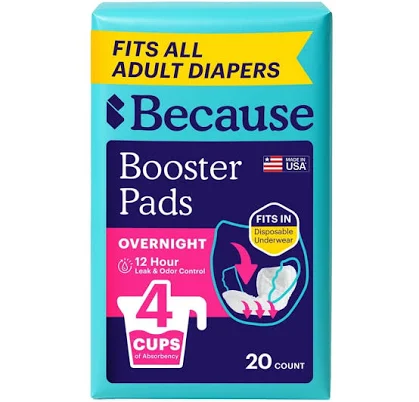
Because Market
Because Booster Pads
- Cellulose, superabsorbent polymer, cotton blend
- We found no PFAS statement from the brand
- Absorbent material degradation and bacterial growth
2 hazards checked on this product. See all of them.
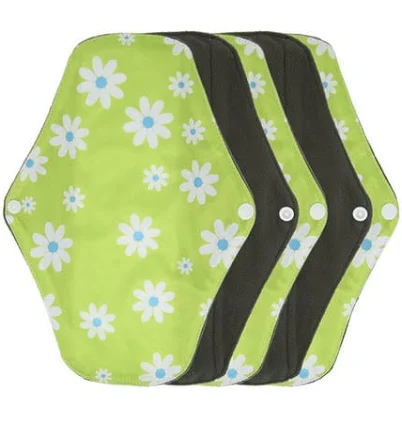
5pcs Bamboo Charcoal Washable Incontinence Pads
- bamboo charcoal textile, washable cotton-blend absorbent layer
- We found no PFAS statement from the brand
- Azo dyes and synthetic colorants
4 hazards checked on this product. See all of them.
More incontinence pads & protection grades
How we score, every product runs through the same public 0-100 rubric based on materials, coatings, brand disclosure, lab findings, and recalls. See the full methodology → Spotted a mistake? Report an error.