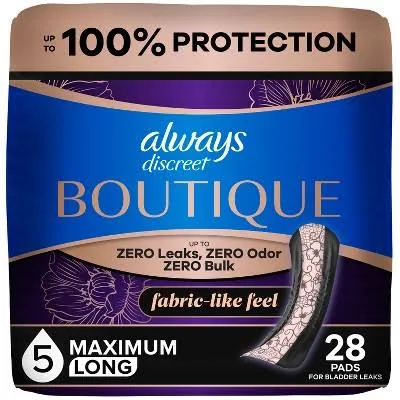
Always Discreet · Incontinence Pads & Protection
Always Discreet Boutique Incontinence Pads
High risk; skip until brand discloses waterproof coating composition or third-party testing.
These pads use a waterproof backing layer typical of incontinence products, but Always Discreet does not publicly disclose the coating chemistry or confirm PFAS-free status. Contact the brand or choose certified alternatives.
The better-graded swap
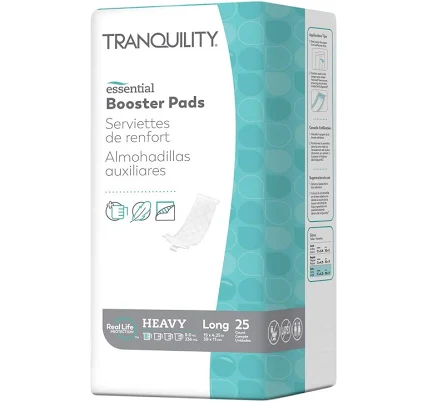
Tranquility
Tranquility Essential Booster Pads Heavy Absorbency, Long - 4-1/4 x 15 Inch (Case of 200)
70/100 safety
Same rubric that flunked this product. The swap earned Good.
Still want this one anyway? Check the price on Amazon. We’d swap it.
Material
Absorbent core, synthetic backing with waterproof coating (unspecified)
Brand disclosure
Brand is silent on PFAS
Lab data
No public lab test
You may also be interested in
Top-graded picks in the categories readers replace first, every one scored on the same rubric.

- polypropylene filter housing, carbon/sediment cartridge
- We found no PFAS statement from the brand
- Bacterial growth in spent cartridges
3 hazards checked on this product, all on its full breakdown.

Aquasure
Premier Series 75 GPD Under Sink Reverse Osmosis Water Filtration System
- RO membrane, carbon filters, stainless steel housing
- We found no PFAS statement from the brand
- Bacterial and microbial growth in housing and filters
4 hazards checked on this product, all on its full breakdown.

Avocado
Vegan Mattress
- organic cotton, natural latex, coconut coir, recycled steel coils
- The brand calls it PFAS-free, which we have not verified
- Heavy metals
2 hazards checked on this product, all on its full breakdown.
What Always Discreet Boutique Incontinence Pads is made of, ingredients and materials
Always Discreet Boutique pads use a synthetic absorbent core (likely superabsorbent polymer or cellulose blend) with a waterproof plastic backing and coating of undisclosed composition. The waterproof layer is the critical unknown, manufacturers typically use either Teflon-type coating-based films, polyurethane, or increasingly, fluorinated polymers (PFAS) to repel liquids while remaining breathable. Without ingredient transparency, the coating's safety profile cannot be verified.
What’s concerning
Category baseline
The starting point for this type of product, before anything specific to this product is counted.
No PFAS disclosure
No public statement from the brand about PFAS in this product.
Waterproof / stain-resistant treatment
Water-repellent coating treatments have historically used PFAS.
PFAS
The waterproof backing layer is almost certainly fluorinated due to industry-standard waterproofing practice; manufacturer silence on composition is a red flag. PFAS compounds are persistent, accumulate in blood and tissues, and have been linked to immune and metabolic effects; direct skin contact with coated pads means potential dermal exposure over extended wear.
Source, ATSDR ↗Polymer coating degradation and off-gassing
Synthetic plastic backings can degrade over time or with heat exposure, potentially releasing volatile organic compounds (VOCs) and monomer residues. This risk is higher with undisclosed coating chemistry, as stability under body temperature and moisture is unknown.
Skin maceration and secondary infection
Incontinence pads of all types create a warm, moist microenvironment; if pads are not changed frequently enough, skin breakdown (maceration) and secondary bacterial or fungal infection can occur. This is a product-use hazard inherent to the category, not material-specific, but critical to manage.
Fragrance allergens and irritants
Always Discreet Boutique Boutique line includes fragranced variants; fragrance ingredients are not fully disclosed and can trigger contact dermatitis or allergic reactions, particularly in sensitive or compromised skin. Unscented variants are available and recommended for high-risk users.
What’s reassuring
Latex allergy potential
Always Discreet Boutique products are not listed as containing natural rubber latex based on available product specifications, and synthetic absorbent pads rarely use latex. No documented latex allergy reports specific to this brand have been identified.
How is this PFAS grade calculated?
The brand's record and disclosure
Always (Procter and Gamble subsidiary) has not publicly disclosed the chemical composition of the waterproof backing or coating in Discreet Boutique products, nor have they published third-party testing for PFAS or other waterproofing agents. The brand has not pursued certifications like STANDARD 100 by OEKO-TEX or obtained independent safety validation specific to fluorinated compounds. This silence on a material component applied directly to skin is a notable gap in transparency.
How it compares in its category
Incontinence pad competitors vary widely, some brands (e.g., Tena) have begun disclosing waterproofing agents or pursuing dermatological certifications; others remain equally opaque. Always Discreet Boutique occupies the middle market segment focused on discreteness and comfort rather than safety certification. Pads with full material transparency or PFAS-free certification are available but less common at this price point.
If you buy it
Do not heat these pads or expose to high temperatures, as polymer coatings can degrade and release volatile compounds. Replace pads promptly when saturated to prevent skin maceration and secondary bacterial or fungal infection risk, which is the primary dermatological hazard of all incontinence pads regardless of material. Store in a cool, dry place away from direct sunlight to slow polymer aging. If skin irritation develops, discontinue use and consider requesting material safety data from the manufacturer.
What is not known about PFAS in this product?
- Basis
- Model estimate, 35% confidence, not a lab result
- Lab test
- None on record for this exact product
- Brand statement
- Always Discreet has made none
Formulations change between production runs, so check the current label. How we grade.
What are the PFAS-free alternatives to Always Discreet Boutique Incontinence Pads?
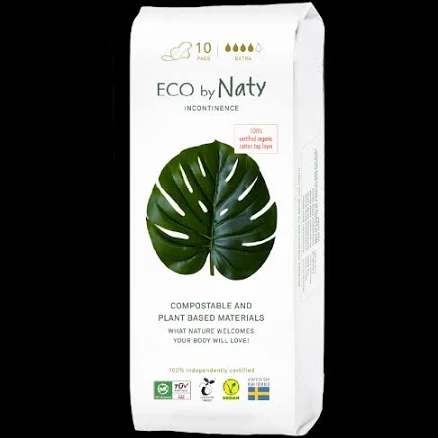
- Bamboo-derived viscose, cotton, plant-based absorbent core
- We found no PFAS statement from the brand
- Heavy metals
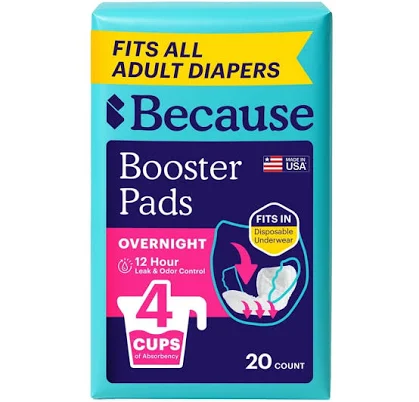
- Cellulose, superabsorbent polymer, cotton blend
- We found no PFAS statement from the brand
- Absorbent material degradation and bacterial growth
2 hazards checked on this product, all on its full breakdown.
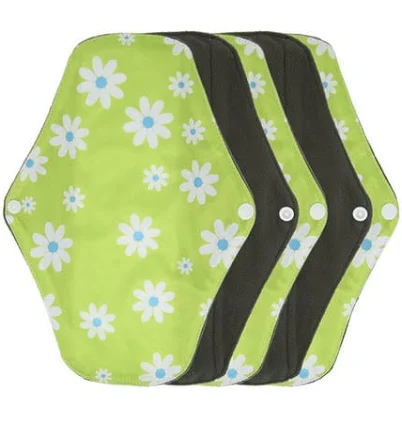
5pcs Bamboo Charcoal Washable Incontinence Pads
- bamboo charcoal textile, washable cotton-blend absorbent layer
- We found no PFAS statement from the brand
- Azo dyes and synthetic colorants
4 hazards checked on this product, all on its full breakdown.
More incontinence pads & protection grades
How we score, every product runs through the same public 0-100 rubric based on materials, coatings, brand disclosure, lab findings, and recalls. See the full methodology → Spotted a mistake? Report an error.