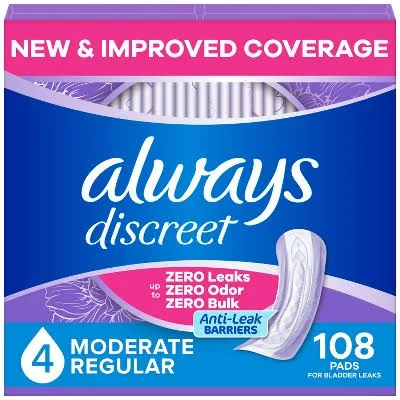
Always Discreet · Incontinence Pads & Protection
Always Discreet Incontinence Pads
High risk; skip or contact brand, Always Discreet won't disclose waterproof coating chemistry.
These incontinence pads require water-resistant or waterproof coatings, historically using PFAS-based treatments. The brand does not publicly disclose its coating materials or make PFAS-free claims.
The better-graded swap
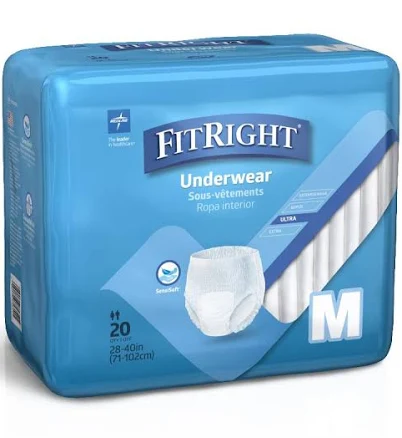
Protection Plus
Protection Plus Classic Underwear Medium Fits 28" to 40" waist -Bag of 20
70/100 safety
Same rubric that flunked this product. The swap earned Good.
Still want this one anyway? Check the price on Amazon. We’d swap it.
Material
cellulose/nonwoven blend with unspecified waterproof/absorbent coating
Brand disclosure
Brand is silent on PFAS
Lab data
No public lab test
You may also be interested in
Top-graded picks in the categories readers replace first, every one scored on the same rubric.

- polypropylene filter housing, carbon/sediment cartridge
- We found no PFAS statement from the brand
- Bacterial growth in spent cartridges
3 hazards checked on this product, all on its full breakdown.

Aquasure
Premier Series 75 GPD Under Sink Reverse Osmosis Water Filtration System
- RO membrane, carbon filters, stainless steel housing
- We found no PFAS statement from the brand
- Bacterial and microbial growth in housing and filters
4 hazards checked on this product, all on its full breakdown.

Avocado
Vegan Mattress
- organic cotton, natural latex, coconut coir, recycled steel coils
- The brand calls it PFAS-free, which we have not verified
- Heavy metals
2 hazards checked on this product, all on its full breakdown.
What Always Discreet Incontinence Pads is made of, ingredients and materials
Always Discreet pads use a cellulose and nonwoven fiber blend with an unspecified waterproof and absorbent coating system. The waterproof layer is the critical unknown, manufacturers typically use either Teflon-type coating-based films, polyurethane, or fluorinated polymers (PFAS chemicals) to achieve water barrier properties. Since Always Discreet does not publicly disclose this coating chemistry, the presence of PFAS cannot be ruled out and is flagged as likely given industry norms for this product type.
What’s concerning
Category baseline
The starting point for this type of product, before anything specific to this product is counted.
No PFAS disclosure
No public statement from the brand about PFAS in this product.
Waterproof / stain-resistant treatment
Water-repellent coating treatments have historically used PFAS.
PFAS
The waterproof layer chemistry is not disclosed by the brand. Industry data shows PFAS (especially Teflon-type coating and fluorinated polymers) are common in absorbent hygiene product coatings. Skin contact over prolonged use may present low-level exposure risk if PFAS are present.
Source, ATSDR ↗Skin irritation from nonwoven fibers and coating
Microplastic shedding or fiber fragmentation from the nonwoven layer has not been formally documented for this product, but continuous skin contact with synthetic materials can trigger irritation or allergic response in sensitive individuals. No specific adverse event reports are on public record.
Coating degradation and leaching over time
Cellulose-nonwoven blends with plastic coatings can degrade with age, moisture exposure, and storage conditions. Long-term storage in humid environments may accelerate breakdown, though no product-specific data is available. This poses theoretical risk of coating material migration onto skin.
What’s reassuring
Heavy metals
No reports of heavy metal contamination in Always Discreet pads. Cellulose and nonwoven materials are unlikely to require toxic pigments, but ingredient transparency would confirm absence of azo dyes or antimony.
Source, FDA ↗Formaldehyde / VOCs
No documented formaldehyde concerns in Always Discreet pads. Incontinence pads typically do not require strong preservatives if packaged and stored correctly, but brand does not publish preservative lists.
Source, ATSDR ↗How is this PFAS grade calculated?
The brand's record and disclosure
Procter and Gamble (Always Discreet parent) has not published ingredient transparency for incontinence pad coatings or PFAS content statements. No certified safety seals (OEKO-TEX, GOTS) apply to this product. The silence on waterproof layer chemistry is a red flag in an industry where PFAS use in absorbent products is documented and regulated in some jurisdictions (e.g., EU restrictions on PFOA in textiles). No product recalls for Always Discreet specifically are on record for chemical hazards.
How it compares in its category
Most incontinence pad brands do not voluntarily disclose PFAS status; Always Discreet is typical in this regard, not uniquely opaque. Alternatives like Depend and Tena similarly withhold coating chemistry. Brands specifically marketing PFAS-free or PFOA-free status (e.g., some eco-oriented small labels) are rarer and often more expensive. For mainstream products, Always Discreet sits in the middle of the disclosure spectrum, not worst, not best, but part of an industry-wide pattern of non-transparency.
If you buy it
Use as directed and do not heat, microwave, or expose pads to high temperatures, which could accelerate any coating degradation and potential release of volatile compounds. Replace pads as soon as saturated to minimize skin contact time and reduce risk of irritation from wet cellulose fiber fragments. Store in a cool, dry place away from direct sunlight. Consider contacting Procter and Gamble directly to request PFAS and full coating ingredient disclosure; high consumer demand may prompt transparency improvements.
What is not known about PFAS in this product?
- Basis
- Model estimate, 45% confidence, not a lab result
- Lab test
- None on record for this exact product
- Brand statement
- Always Discreet has made none
Formulations change between production runs, so check the current label. How we grade.
What are the PFAS-free alternatives to Always Discreet Incontinence Pads?
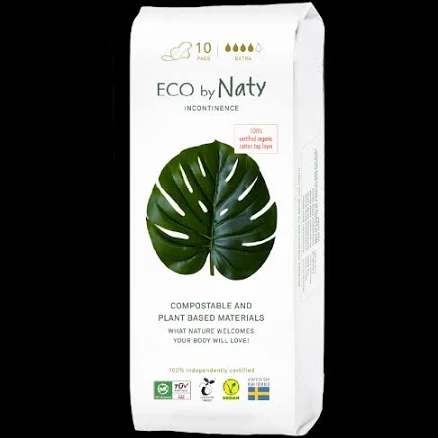
- Bamboo-derived viscose, cotton, plant-based absorbent core
- We found no PFAS statement from the brand
- Heavy metals
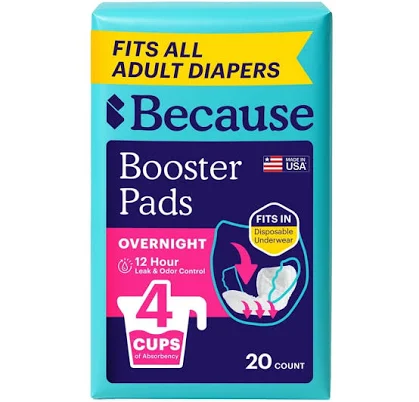
- Cellulose, superabsorbent polymer, cotton blend
- We found no PFAS statement from the brand
- Absorbent material degradation and bacterial growth
2 hazards checked on this product, all on its full breakdown.
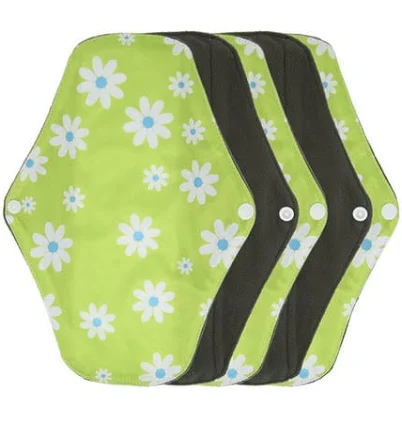
5pcs Bamboo Charcoal Washable Incontinence Pads
- bamboo charcoal textile, washable cotton-blend absorbent layer
- We found no PFAS statement from the brand
- Azo dyes and synthetic colorants
4 hazards checked on this product, all on its full breakdown.
More incontinence pads & protection grades
How we score, every product runs through the same public 0-100 rubric based on materials, coatings, brand disclosure, lab findings, and recalls. See the full methodology → Spotted a mistake? Report an error.