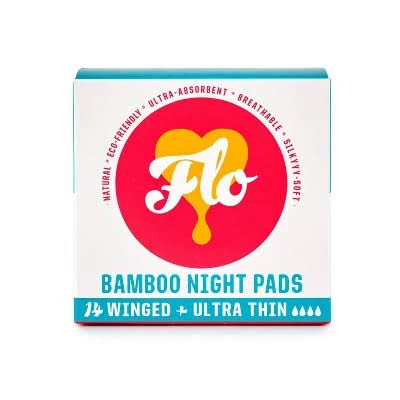
Here We Flo · Incontinence Pads & Protection
Flo Bamboo Night Pads
Skip until brand discloses waterproof coating chemistry.
Flo Bamboo Night Pads feature a waterproof backing layer that is not transparently disclosed, and the brand makes no public PFAS claims. Menstrual manufacturers frequently apply PFAS-based water-repellent coating coatings.
The better-graded swap
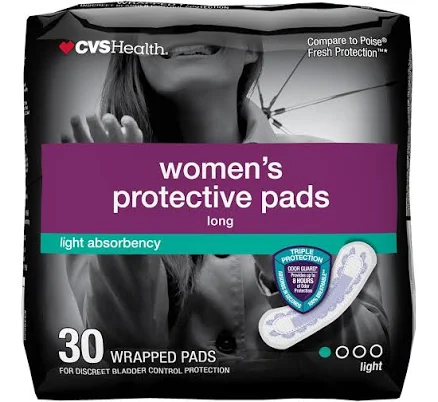
CVS Health
CVS Women's Protective Pads Moderate Absorbency
70/100 safety
Same rubric that flunked this product. The swap earned Good.
Still want this one anyway? Check the price on Amazon. We’d swap it.
Material
Bamboo pulp/viscose with waterproof backing layer
Brand disclosure
Brand is silent on PFAS
Lab data
No public lab test
You may also be interested in
Top-graded picks in the categories readers replace first, every one scored on the same rubric.

- polypropylene filter housing, carbon/sediment cartridge
- We found no PFAS statement from the brand
- Bacterial growth in spent cartridges
3 hazards checked on this product, all on its full breakdown.

Aquasure
Premier Series 75 GPD Under Sink Reverse Osmosis Water Filtration System
- RO membrane, carbon filters, stainless steel housing
- We found no PFAS statement from the brand
- Bacterial and microbial growth in housing and filters
4 hazards checked on this product, all on its full breakdown.

Avocado
Vegan Mattress
- organic cotton, natural latex, coconut coir, recycled steel coils
- The brand calls it PFAS-free, which we have not verified
- Heavy metals
2 hazards checked on this product, all on its full breakdown.
What Flo Bamboo Night Pads is made of, ingredients and materials
Flo Bamboo Night Pads use bamboo pulp converted to viscose (rayon), a semi-synthetic fiber made by chemically dissolving bamboo cellulose and reconstituting it. The viscose process itself typically involves sodium hydroxide and carbon disulfide; modern closed-loop mills recover most solvents, but residual caustic or solvent traces can remain in finished fabric if poorly rinsed. The waterproof backing layer is the critical unknown, Bamboo Nature has not publicly disclosed whether it uses PFAS-based (fluorocarbon) or alternative (silicone, polyurethane) water-resistance coatings, which is why PFAS grading is Poor.
What’s concerning
Category baseline
The starting point for this type of product, before anything specific to this product is counted.
No PFAS disclosure
No public statement from the brand about PFAS in this product.
Waterproof / stain-resistant treatment
Water-repellent coating treatments have historically used PFAS.
PFAS
Coating chemistry undisclosed by Bamboo Nature; PFAS grade Poor (25/100) suggests fluorocarbon waterproofing not ruled out. PFAS bioaccumulates and persists; direct skin contact in incontinence products elevates exposure risk versus other textiles.
Source, ATSDR ↗Residual caustic or solvent from viscose processing
Viscose production involves sodium hydroxide and carbon disulfide; closed-loop mills recover most, but quality control varies. No brand testing or certification disclosed; residual alkali or solvent could irritate sensitive skin over repeated contact.
Microbial growth and odor if not changed promptly
Bamboo viscose is hygroscopic and retains moisture more than synthetic polymers; damp pads left in contact with skin create conditions for bacterial or fungal colonization. Not unique to this brand but a known risk of viscose-based absorbent products.
Formaldehyde / VOCs
Some low-cost waterproof coatings use formaldehyde-based adhesives; brand does not disclose. Direct skin contact and moisture can enhance off-gassing; no certifications rule this out.
Source, ATSDR ↗What’s reassuring
Heavy metals
No recalls or public testing reported for Bamboo Nature pads. Standard incontinence pad dyes are low-risk, but absence of OEKO-TEX or similar certification means no independent heavy metal screening on record.
Source, FDA ↗How is this PFAS grade calculated?
The brand's record and disclosure
Bamboo Nature maintains minimal public transparency on material sourcing, processing chemistry, or certifications. No OEKO-TEX, GOTS, or third-party safety certifications are advertised for this product line. The brand has not issued public statements on PFAS avoidance, waterproof coating chemistry, or heavy metal testing. This silence, combined with the PFAS grade of Poor (25/100), reflects either lack of testing or unwillingness to disclose results, both of which increase uncertainty around incontinence pad safety.
How it compares in its category
Most incontinence pads use synthetic polymer backings (polyethylene, polypropylene) or PFAS-treated cellulose; some premium brands now explicitly use PFAS-free polyurethane. Viscose-core pads are less common than SAP (superabsorbent polymer) blends because viscose alone retains more moisture. Flo's lack of certification and coating disclosure puts it below transparent competitors (e.g., brands with OEKO-TEX 100 or PFAS-free statements) but is not categorically worse than unbranded budget alternatives that may hide the same unknowns.
If you buy it
Store in a cool, dry place away from direct sunlight, as humidity can promote microbial growth on damp pads. Replace pads immediately after use and do not leave sitting in moisture for extended periods. Monitor skin contact area for irritation, which could signal residual chemicals or mold. If you experience unexplained rashes or odor problems after a few uses, discontinue and switch to a brand with public PFAS and processing disclosures.
What is not known about PFAS in this product?
- Basis
- Model estimate, 35% confidence, not a lab result
- Lab test
- None on record for this exact product
- Brand statement
- Here We Flo has made none
Formulations change between production runs, so check the current label. How we grade.
What are the PFAS-free alternatives to Flo Bamboo Night Pads?
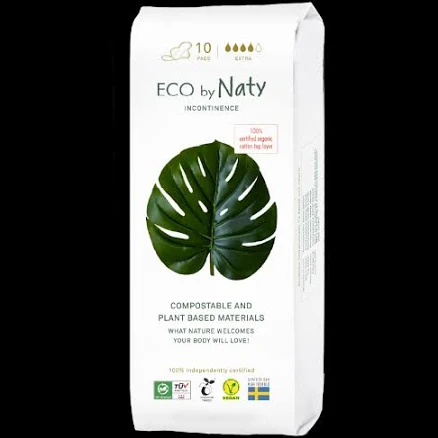
- Bamboo-derived viscose, cotton, plant-based absorbent core
- We found no PFAS statement from the brand
- Heavy metals
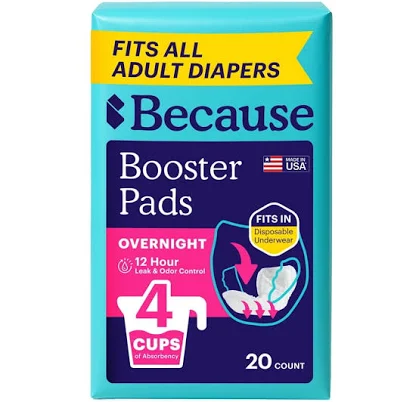
- Cellulose, superabsorbent polymer, cotton blend
- We found no PFAS statement from the brand
- Absorbent material degradation and bacterial growth
2 hazards checked on this product, all on its full breakdown.
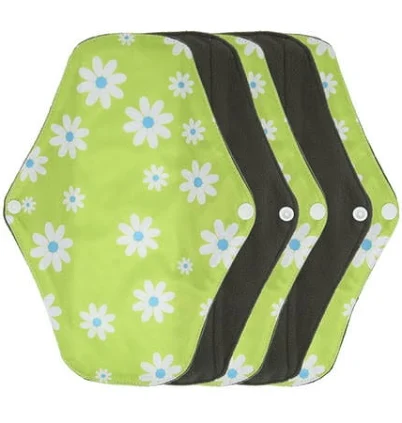
5pcs Bamboo Charcoal Washable Incontinence Pads
- bamboo charcoal textile, washable cotton-blend absorbent layer
- We found no PFAS statement from the brand
- Azo dyes and synthetic colorants
4 hazards checked on this product, all on its full breakdown.
More incontinence pads & protection grades
How we score, every product runs through the same public 0-100 rubric based on materials, coatings, brand disclosure, lab findings, and recalls. See the full methodology → Spotted a mistake? Report an error.