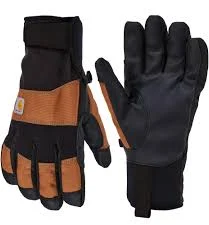
Carhartt · Waterproof Winter Gloves
Carhartt Men's Waterproof Thermal-Lined Secure Cuff Glove
Waterproof gloves with hidden water-repellent coating chemistry; PFAS risk remains uncertain.
Carhartt stays silent on the waterproofing chemistry in this glove. Waterproof work gloves commonly use PFAS-based water-repellent coating treatments, though PFAS-free options exist, and Carhartt makes no PFAS-free claim.
The better-graded swap
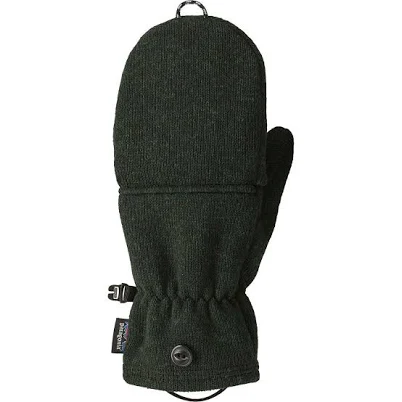
Patagonia
Better Sweater Gloves Patagonia Women's
90/100 safety
Same rubric that flunked this product. The swap earned Excellent.
Still want this one anyway? Check the price on Amazon. We’d swap it.
Material
Synthetic outer shell with thermal lining; waterproof coating unspecified
Brand disclosure
Brand is silent on PFAS
Lab data
No public lab test
You may also be interested in
Top-graded picks in the categories readers replace first, every one scored on the same rubric.

- polypropylene filter housing, carbon/sediment cartridge
- We found no PFAS statement from the brand
- Bacterial growth in spent cartridges
3 hazards checked on this product, all on its full breakdown.

Aquasure
Premier Series 75 GPD Under Sink Reverse Osmosis Water Filtration System
- RO membrane, carbon filters, stainless steel housing
- We found no PFAS statement from the brand
- Bacterial and microbial growth in housing and filters
4 hazards checked on this product, all on its full breakdown.

Avocado
Vegan Mattress
- organic cotton, natural latex, coconut coir, recycled steel coils
- The brand calls it PFAS-free, which we have not verified
- Heavy metals
2 hazards checked on this product, all on its full breakdown.
What Carhartt Men's Waterproof Cuff Glove is made of, ingredients and materials
Carhartt's Secure Cuff glove uses a synthetic outer shell (likely polyester or nylon blend) with a thermal lining and an unspecified waterproof coating. The synthetic shell resists tears and water penetration, but the waterproof finish typically requires a water-repellent coating (water-repellent coating) treatment, which historically relies on fluorochemicals (PFAS) or, in newer formulations, alternative chemistries. The thermal lining, often acrylic or polyester fleece, adds bulk but can shed microfibers with wear and washing. Without Carhartt's explicit material disclosure, the exact composition and coating chemistry remain unclear.
What’s concerning
Category baseline
The starting point for this type of product, before anything specific to this product is counted.
No PFAS disclosure
No public statement from the brand about PFAS in this product.
Waterproof / stain-resistant treatment
Water-repellent coating treatments have historically used PFAS.
Formaldehyde / VOCs
Synthetic outer shell and thermal lining may contain formaldehyde-based finish resins used to set dyes and improve wrinkle resistance. Carhartt does not disclose resin type or formaldehyde release testing; off-gassing risk is low in direct contact but increases if gloves are stored in sealed, warm conditions before first use.
Source, ATSDR ↗Microplastic shedding from synthetic lining
Polyester or acrylic fleece thermal lining will shed microfibers with repeated wear, flexing, and laundering. The shedding itself poses minimal direct health risk to the wearer but contributes to environmental microplastic load. Regular gentle washing and prompt replacement of worn linings reduce cumulative shedding.
Coating degradation and synthetic brittleness
Waterproof coatings on synthetic gloves degrade with UV exposure, heat, and flexing. As the coating wears, the underlying synthetic may become brittle or release small polymer fragments. This is typical wear-and-tear, not a manufacturing defect, but signals need for timely replacement.
Thermal lining compression and insulation loss
Repeated compression, washing, and drying reduce the loft of fleece linings over time, diminishing insulation performance. This is primarily a durability issue, not a direct safety hazard, but worn linings may trap moisture and increase skin irritation or mold growth if stored damp.
What’s reassuring
Heavy metals
No documented azo-dye or heavy-metal contamination in Carhartt gloves. Standard textile dyeing for work gloves may include azo compounds, but Carhartt's dark colors (typical for this model) often rely on disperse dyes with lower concern; no public safety records suggest concern.
Source, FDA ↗How is this PFAS grade calculated?
The brand's record and disclosure
Carhartt has not made a public commitment to PFAS-free manufacturing or disclosed its water-repellent coating chemistry for this glove line. The brand markets durability and performance but does not publish material safety data sheets or third-party certifications (such as OEKO-TEX or Bluesign) for most consumer gloves. No recalls or safety violations specific to this glove model are on record. The company's silence on waterproof coating chemistry is typical of workwear brands but leaves buyers without clear assurance about chemical treatment.
How it compares in its category
Winter gloves in this price and performance tier typically use similar synthetic-plus-lining construction with undisclosed water-repellent coating finishes. Carhartt's reputation for durability is well established, making this a mid-to-premium option in the category. Competitors such as Mechanix or higher-end brands (e.g., Outdoor Research) sometimes disclose coating chemistry or pursue PFAS-free certifications, offering more transparency. Most insulated work gloves share the same PFAS disclosure gap and microfiber-shedding risk.
If you buy it
Wash in cool water with gentle detergent and air-dry to preserve the waterproof coating and prevent thermal-lining degradation. Avoid high heat, direct dryers, and bleach, which accelerate coating breakdown and synthetic wear. Inspect the lining for tears or pilling that could increase microfiber release during future washing. Replace when the outer shell loses water beading, the lining compresses, or cuff seals wear, typically after 1-2 seasons of heavy use.
What is not known about PFAS in this product?
- Basis
- Model estimate, 42% confidence, not a lab result
- Lab test
- None on record for this exact product
- Brand statement
- Carhartt has made none
Formulations change between production runs, so check the current label. How we grade.
What are the PFAS-free alternatives to Carhartt Men's Waterproof Thermal-Lined Secure Cuff Glove?
- Polyester fleece (recycled)
- The brand calls it PFAS-free, which we have not verified
- Heavy metals
2 hazards checked on this product, all on its full breakdown.
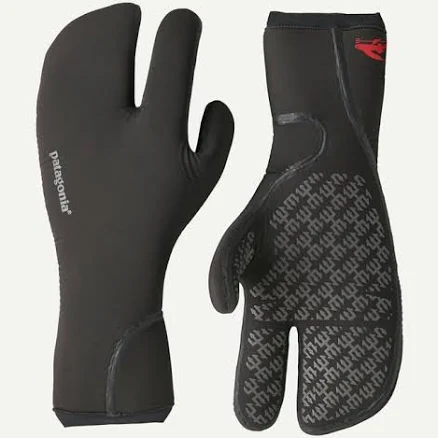
- Yulex (synthetic rubber), neoprene-free alternative
- The brand calls it PFAS-free, which we have not verified
- Allergic contact dermatitis (rubber/guayule sensitivity)
2 hazards checked on this product, all on its full breakdown.
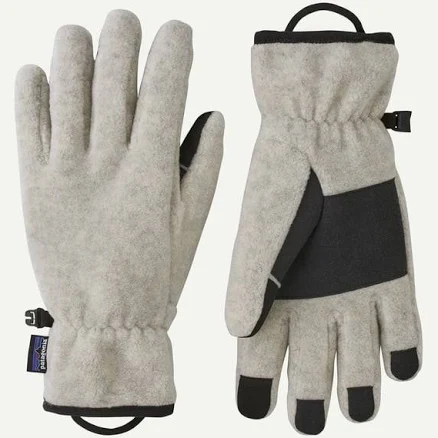
- Polyester fleece (Synchilla®); no water-repellent treatment disclosed
- The brand calls it PFAS-free, which we have not verified
- Microplastics
2 hazards checked on this product, all on its full breakdown.
More waterproof winter gloves grades
How we score, every product runs through the same public 0-100 rubric based on materials, coatings, brand disclosure, lab findings, and recalls. See the full methodology → Spotted a mistake? Report an error.