Columbia · Waterproof Winter Gloves
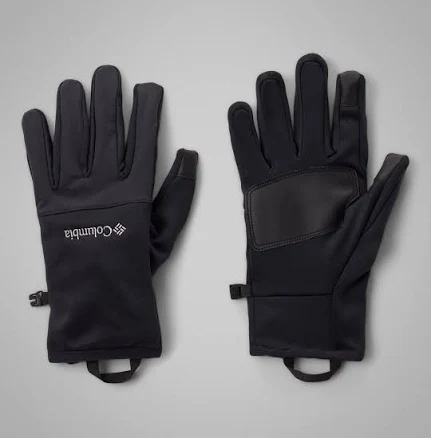
Columbia Men's Arctic Crest Gloves
Wait for Columbia to disclose water-repellent coating chemistry; silent stance on PFAS raises concern.
Columbia's Arctic Crest Gloves use a water-repellent coating finish typical of insulated winter gloves, but the brand does not publicly reveal chemical formulation. water-repellent coating coatings historically relied on PFAS. No lab data, PFAS claims, or certifications are publicly available.
The better-graded swap
Patagonia
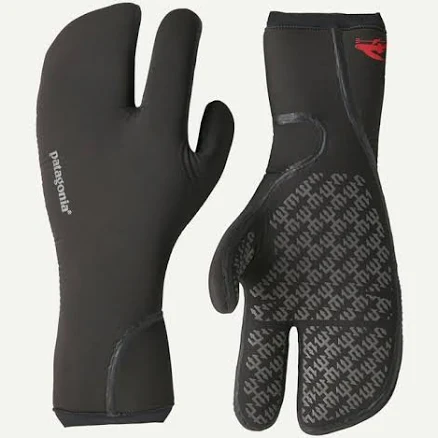
Patagonia R4 Yulex Regulator Three Finger Mitts
90/100 safety
Same rubric that flunked this product. The swap earned Excellent.
Still want this one anyway? Check the price on Amazon. We’d swap it.
Material
Synthetic textile with water-repellent coating water-repellent finish (unspecified)
Lab data
No public lab test
You may also be interested in
Top-graded picks in the categories readers replace first, every one scored on the same rubric.

- polypropylene filter housing, carbon/sediment cartridge
- We found no PFAS statement from the brand
- Bacterial growth in spent cartridges
3 hazards checked on this product, all on its full breakdown.

Aquasure
Premier Series 75 GPD Under Sink Reverse Osmosis Water Filtration System
- RO membrane, carbon filters, stainless steel housing
- We found no PFAS statement from the brand
- Bacterial and microbial growth in housing and filters
4 hazards checked on this product, all on its full breakdown.

Avocado
Vegan Mattress
- organic cotton, natural latex, coconut coir, recycled steel coils
- The brand calls it PFAS-free, which we have not verified
- Heavy metals
2 hazards checked on this product, all on its full breakdown.
What Columbia Men's Arctic Crest Gloves is made of, ingredients and materials
Columbia's Arctic Crest Gloves use synthetic textiles (likely polyester or nylon blend) with a water-repellent coating (water-repellent coating) finish applied to the outer shell. water-repellent coating coatings are the primary concern here, they are traditionally formulated with long-chain PFAS compounds to repel water and oil, though some manufacturers have shifted to shorter-chain or non-fluorinated alternatives. The specific chemistry of Columbia's water-repellent coating finish is not disclosed on product labels or the company's website, making it impossible to confirm whether PFAS-free formulations were used. The glove lining and insulation materials are not detailed in available product information.
What’s concerning
Category baseline
The starting point for this type of product, before anything specific to this product is counted.
No PFAS disclosure
No public statement from the brand about PFAS in this product.
Waterproof / stain-resistant treatment
Water-repellent coating treatments have historically used PFAS.
PFAS
Arctic Crest's water-repellent coating finish chemistry is undisclosed. Traditional formulations contain long-chain PFAS; modern alternatives may use short-chain PFAS or non-fluorinated compounds. Dermal absorption during wear is considered minimal; concern is primarily exposure during manufacturing, washing, and disposal.
Source, ATSDR ↗Synthetic textile degradation and microfiber shedding
Polyester or nylon blend gloves shed microfibers during normal wear and especially during washing. No product-specific shedding data is available, but risk is inherent to the material class and increases with mechanical stress (washing, friction).
What’s reassuring
Formaldehyde / VOCs
No formaldehyde-based finishes have been reported in Columbia Arctic Crest or similar modern synthetic winter gloves. water-repellent coating coatings themselves do not typically contain formaldehyde, unlike some cotton apparel treatments.
Source, ATSDR ↗Heavy metals
Arctic Crest uses synthetic materials that are typically dyed with disperse dyes rather than azo dyes; heavy metal pigment contamination is not a documented issue in Columbia's mainstream winter glove line.
Source, FDA ↗Antimony in polyester
Antimony is a catalyst used in some polyester production but is typically retained in the polymer matrix and does not migrate significantly during use or washing; no product-specific testing or recalls for Arctic Crest indicate this as a concern.
How is this PFAS grade calculated?
The brand's record and disclosure
Columbia Sportswear has not published a comprehensive PFAS disclosure policy specific to apparel, unlike some outdoor brands (Patagonia, The North Face) that have committed to phasing out long-chain PFAS in water-repellent coating treatments. Columbia's website does not itemize chemical composition or certifications (such as GOTS, bluesign, or Cradle to Cradle) for most winter glove lines, including Arctic Crest. The brand has faced no major public safety recalls or controversies tied to this product line, but the absence of transparency on water-repellent coating chemistry is notable given industry awareness of PFAS concerns since the early 2010s.
How it compares in its category
Most waterproof winter gloves at Columbia's price point use water-repellent coating-coated synthetic shells; higher-end competitors (Hestra, Arc'teryx) often disclose their water-repellent coating formulations or offer PFAS-free certified options. Budget alternatives from mass-market brands typically use identical or less-transparent water-repellent coating chemistry. Gloves labeled with certifications (bluesign, OEKO-TEX) are rarer in winter sportswear and generally cost more. Arctic Crest's lack of transparency is fairly typical for the mid-market outdoor brand category, but not ideal from a precautionary standpoint.
If you buy it
Wash gloves by hand in lukewarm water with mild detergent to avoid accelerating water-repellent coating degradation; machine washing or hot water can reduce water repellency and potentially release coating particles. Do not dry clean or expose to temperatures above 140F (60C), as heat can compromise synthetic fibers and finishes. Reapply water-repellent coating treatment every 1-2 seasons if water no longer beads on the surface; use products labeled PFAS-free if available. If concerned about PFAS exposure, contact Columbia directly to request water-repellent coating chemistry information before purchase, or consider brands with published certifications.
What is not known about PFAS in this product?
- Basis
- Model estimate, 35% confidence, not a lab result
- Lab test
- None on record for this exact product
- Brand statement
- Columbia has made a specific claim
Formulations change between production runs, so check the current label. How we grade.
What are the PFAS-free alternatives to Columbia Men's Arctic Crest Gloves?
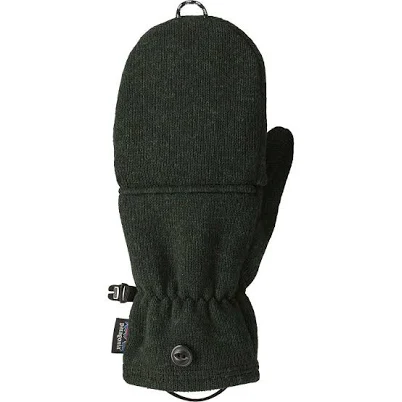
- Polyester fleece (recycled)
- The brand calls it PFAS-free, which we have not verified
- Heavy metals
2 hazards checked on this product, all on its full breakdown.
- Yulex (synthetic rubber), neoprene-free alternative
- The brand calls it PFAS-free, which we have not verified
- Allergic contact dermatitis (rubber/guayule sensitivity)
2 hazards checked on this product, all on its full breakdown.
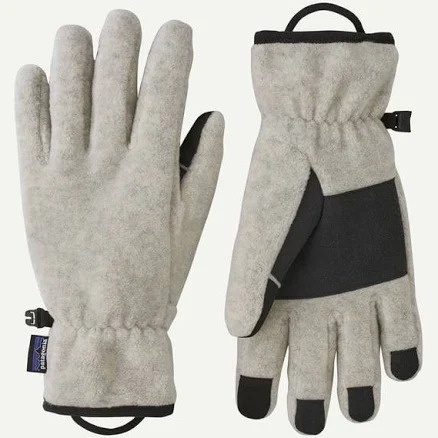
- Polyester fleece (Synchilla®); no water-repellent treatment disclosed
- The brand calls it PFAS-free, which we have not verified
- Microplastics
2 hazards checked on this product, all on its full breakdown.
More waterproof winter gloves grades
How we score, every product runs through the same public 0-100 rubric based on materials, coatings, brand disclosure, lab findings, and recalls. See the full methodology → Spotted a mistake? Report an error.