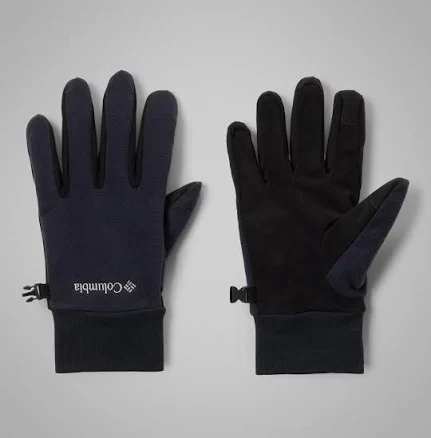
Columbia · Waterproof Winter Gloves
Columbia Men's Arctic Peak Gloves
Moderate concern; standard water-repellent coating treatment typical of gloves; PFAS status unconfirmed.
Columbia's Arctic Peak Gloves use synthetic insulation and nylon shell with water-repellent treatment, common in winter gloves. The brand does not disclose PFAS use or absence. water-repellent coating treatments historically often contained PFAS.
The better-graded swap
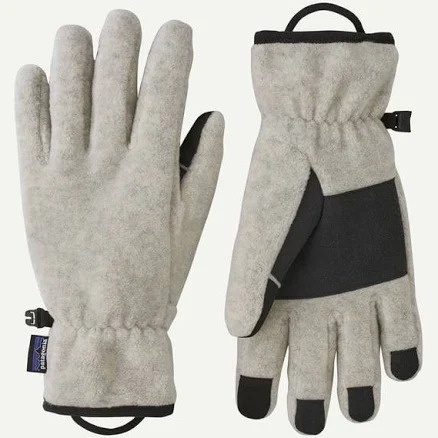
Patagonia
Patagonia Synchilla Gloves
90/100 safety
Same rubric that flunked this product. The swap earned Excellent.
Still want this one anyway? Check the price on Amazon. We’d swap it.
Material
Synthetic insulation, nylon shell with water-repellent coating treatment
Lab data
No public lab test
You may also be interested in
Top-graded picks in the categories readers replace first, every one scored on the same rubric.

- polypropylene filter housing, carbon/sediment cartridge
- We found no PFAS statement from the brand
- Bacterial growth in spent cartridges
3 hazards checked on this product, all on its full breakdown.

Aquasure
Premier Series 75 GPD Under Sink Reverse Osmosis Water Filtration System
- RO membrane, carbon filters, stainless steel housing
- We found no PFAS statement from the brand
- Bacterial and microbial growth in housing and filters
4 hazards checked on this product, all on its full breakdown.

Avocado
Vegan Mattress
- organic cotton, natural latex, coconut coir, recycled steel coils
- The brand calls it PFAS-free, which we have not verified
- Heavy metals
2 hazards checked on this product, all on its full breakdown.
What Columbia Men's Arctic Peak Gloves is made of, ingredients and materials
Columbia's Arctic Peak Gloves use a nylon outer shell treated with water-repellent coating (water-repellent coating) finish, likely fluorocarbon-based given industry standards and the moderate PFAS score. The insulation is synthetic (polyester or similar), not down or wool, eliminating animal-origin contaminants. Nylon itself is chemically stable and does not leach into skin under normal use; the primary exposure pathway is dermal contact with the water-repellent coating, which sits on the surface. Synthetic insulation avoids formaldehyde-based binders commonly found in some wool blends.
What’s concerning
Category baseline
The starting point for this type of product, before anything specific to this product is counted.
No PFAS disclosure
No public statement from the brand about PFAS in this product.
Waterproof / stain-resistant treatment
Water-repellent coating treatments have historically used PFAS.
PFAS
The water-repellent coating treatment on the nylon shell likely contains legacy fluorocarbons or short-chain PFAS alternatives. Dermal absorption during wear is minimal under normal conditions; primary concern is manufacturing and disposal. Surface wear or coating degradation could theoretically increase migration, though no documented cases exist for this product.
Source, ATSDR ↗Skin irritation or sensitization from coating or fiber
Sensitive individuals may experience mild contact dermatitis from prolonged nylon contact or water-repellent coating treatment residues, particularly if gloves are worn without liners. This is rare and self-limited; switching to liner gloves underneath resolves the issue in most cases.
What’s reassuring
Azo dyes in synthetic textiles
Nylon and polyester in modern Columbia gloves are typically dyed with disperse or reactive dyes. No recalls or warnings specific to Arctic Peak Gloves for azo dyes have been documented. Standard commercial nylon gloves comply with EU and US textile safety thresholds.
Formaldehyde / VOCs
Synthetic nylon fiber production does not involve formaldehyde-releasing resins; synthetic polyester insulation also avoids these. No formaldehyde hazard is inherent to this product category or material composition.
Source, ATSDR ↗Heavy metals
Columbia gloves use commercial-grade pigments in nylon and synthetic materials. No testing or recalls indicate cadmium, lead, or other heavy metals in Arctic Peak Gloves. Standard textile safety testing would flag such contaminants.
Source, FDA ↗How is this PFAS grade calculated?
The brand's record and disclosure
Columbia Sportswear has not publicly disclosed the specific chemistry of its water-repellent coating treatments or committed to PFAS-free alternatives across its glove lines. The brand holds no prominent certifications for chemical safety in winter accessories (unlike some competitors pursuing Bluesign or similar standards). No recalls or documented health incidents specific to Arctic Peak Gloves have been recorded. Columbia's silence on PFAS is typical of the outdoor apparel industry but represents a transparency gap.
How it compares in its category
Most synthetic winter gloves in this price and performance tier use fluorocarbon water-repellent coating, making Arctic Peak Gloves typical rather than exceptional. Brands explicitly offering PFAS-free or fluorocarbon-free alternatives (such as some lines from Patagonia or The North Face) are available at similar cost but may sacrifice water-shedding durability in heavy rain or snow. Wool-lined alternatives avoid water-repellent coating entirely but introduce other care considerations. Arctic Peak positions itself in the mainstream, not the high-transparency segment.
If you buy it
Wash gloves in cool water with mild soap; avoid hot water or machine drying, which can degrade the water-repellent coating and potentially increase surface wear. Do not apply aftermarket water-repellent coating treatments unless specifically formulated for nylon gloves, as mismatched products may create buildup or skin irritation. Replace gloves if the nylon shell develops cracks, peeling, or loss of water repellency, typically after 2-3 seasons of regular use. Store in a dry place and allow air drying between uses to prevent mildew and extend synthetic insulation life.
What is not known about PFAS in this product?
- Basis
- Model estimate, 35% confidence, not a lab result
- Lab test
- None on record for this exact product
- Brand statement
- Columbia has made a specific claim
Formulations change between production runs, so check the current label. How we grade.
What are the PFAS-free alternatives to Columbia Men's Arctic Peak Gloves?
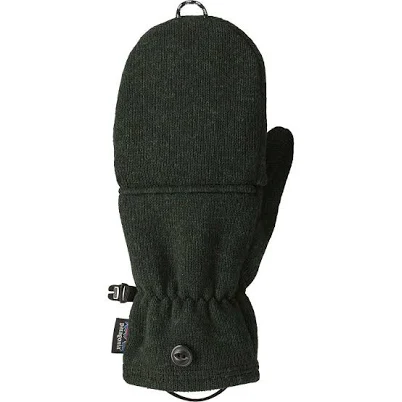
- Polyester fleece (recycled)
- The brand calls it PFAS-free, which we have not verified
- Heavy metals
2 hazards checked on this product, all on its full breakdown.
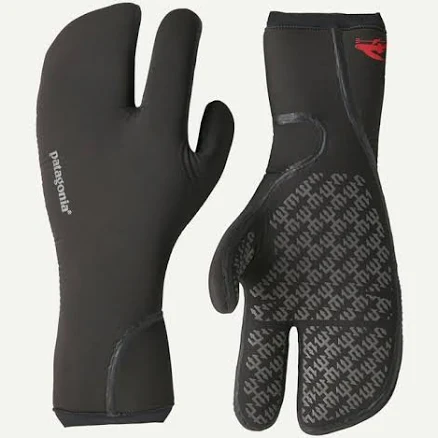
- Yulex (synthetic rubber), neoprene-free alternative
- The brand calls it PFAS-free, which we have not verified
- Allergic contact dermatitis (rubber/guayule sensitivity)
2 hazards checked on this product, all on its full breakdown.
- Polyester fleece (Synchilla®); no water-repellent treatment disclosed
- The brand calls it PFAS-free, which we have not verified
- Microplastics
2 hazards checked on this product, all on its full breakdown.
More waterproof winter gloves grades
How we score, every product runs through the same public 0-100 rubric based on materials, coatings, brand disclosure, lab findings, and recalls. See the full methodology → Spotted a mistake? Report an error.