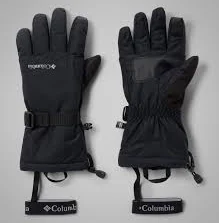
Columbia · Waterproof Winter Gloves
Columbia Men's Arctic Slope Seeker Gloves
Wait or contact Columbia directly; waterproof gloves typically use PFAS-based water-repellent coating, brand discloses nothing.
Columbia's Arctic Slope Seeker Gloves feature a water-resistant outer shell, historically reliant on PFAS-based water-repellent coating coatings. The brand offers no public statement on PFAS content, presence, or avoidance. Without lab data or certification, waterproofing chemistry remains unconfirmed.
The better-graded swap
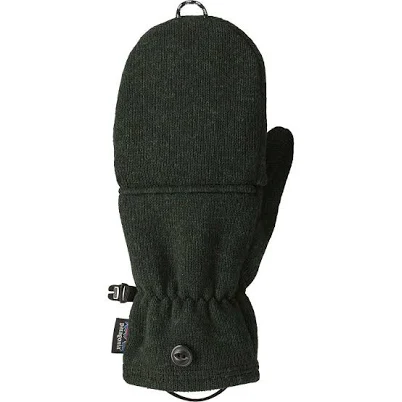
Patagonia
Better Sweater Gloves Patagonia Women's
90/100 safety
Same rubric that flunked this product. The swap earned Excellent.
Still want this one anyway? Check the price on Amazon. We’d swap it.
Material
Synthetic insulation + polyester shell with water-repellent coating finish
Lab data
No public lab test
You may also be interested in
Top-graded picks in the categories readers replace first, every one scored on the same rubric.

- polypropylene filter housing, carbon/sediment cartridge
- We found no PFAS statement from the brand
- Bacterial growth in spent cartridges
3 hazards checked on this product, all on its full breakdown.

Aquasure
Premier Series 75 GPD Under Sink Reverse Osmosis Water Filtration System
- RO membrane, carbon filters, stainless steel housing
- We found no PFAS statement from the brand
- Bacterial and microbial growth in housing and filters
4 hazards checked on this product, all on its full breakdown.

Avocado
Vegan Mattress
- organic cotton, natural latex, coconut coir, recycled steel coils
- The brand calls it PFAS-free, which we have not verified
- Heavy metals
2 hazards checked on this product, all on its full breakdown.
What Columbia Men's Arctic Slope Seeker Gloves is made of, ingredients and materials
These gloves use a polyester shell with a water-repellent coating (water-repellent coating) finish, plus synthetic insulation (likely polyester or acrylic blend) for warmth. The water-repellent coating finish is the critical layer, it keeps water beading off the surface without fully waterproofing the glove, which is typical for winter gloves. water-repellent coating finishes are historically applied using PFAS (PFAS "forever chemicals"), though some manufacturers now use non-PFAS alternatives. Columbia has not publicly disclosed which chemistry they use in this product.
What’s concerning
Category baseline
The starting point for this type of product, before anything specific to this product is counted.
No PFAS disclosure
No public statement from the brand about PFAS in this product.
Waterproof / stain-resistant treatment
Water-repellent coating treatments have historically used PFAS.
PFAS
Polyester shell with water-repellent coating finish; Columbia has not disclosed whether the water-repellent coating is PFAS-based or non-PFAS alternative. Most winter gloves in this category still use PFAS, so PFAS exposure is likely unless the brand confirms otherwise.
Source, ATSDR ↗water-repellent coating reapplication products
If the water-repellent coating wears out and the buyer applies an aftermarket water-repellent spray, that spray's PFAS content depends on the product brand. Many commercial water-repellent coating sprays are PFAS-based; this is a secondary exposure risk, not inherent to the glove itself.
What’s reassuring
Synthetic insulation integrity and microfiber shedding
No documented issues with Arctic Slope Seeker insulation degradation or microfiber release. Polyester insulation is stable in normal use; shedding risk is minimal unless the glove is torn or excessively abraded.
Dyes and colorants in polyester shell
No recalls or complaints of color bleeding or azo-dye contamination for this model. Columbia typically uses standard disperse dyes for polyester apparel, which do not pose known health hazards in typical winter glove use.
Glue and adhesive residues in seams
No established hazards from seam adhesives in Columbia gloves. Standard polyurethane-based seam tape poses no documented dermal or inhalation risk during normal wear.
How is this PFAS grade calculated?
The brand's record and disclosure
Columbia Sportswear has not published a comprehensive PFAS elimination timeline or material transparency dashboard as of recent public records. The brand does not list this specific glove model's water-repellent coating chemistry on product pages or tags. No recalls or safety controversies specific to Arctic Slope Seeker gloves have been documented. However, Columbia's silence on PFAS in outerwear mirrors a broader industry pattern where water-repellent coating coatings remain undisclosed unless explicitly marketed as 'PFAS-free.'
How it compares in its category
Most synthetic-shell winter gloves in this price range use conventional PFAS-based water-repellent coating; few brands specify alternatives. Higher-end competitors (Patagonia, Outdoor Research) increasingly disclose non-PFAS water-repellent coating options, while budget and mid-tier brands including Columbia typically remain silent. This product's lack of disclosure places it in the middle of the market transparency spectrum, neither leaders nor laggards.
If you buy it
Contact Columbia customer service to ask whether the water-repellent coating finish in this model is PFAS-based or uses an alternative chemistry before committing to purchase. In use, wash gloves sparingly in cool water (hot water and detergents can degrade water-repellent coating); air-dry away from direct heat. If water no longer beads after 20-30 washes, the water-repellent coating has worn out; at that point, the glove is still functional but less water-resistant. Do not tumble-dry or iron, as synthetic insulation can melt.
What is not known about PFAS in this product?
- Basis
- Model estimate, 42% confidence, not a lab result
- Lab test
- None on record for this exact product
- Brand statement
- Columbia has made a specific claim
Formulations change between production runs, so check the current label. How we grade.
What are the PFAS-free alternatives to Columbia Men's Arctic Slope Seeker Gloves?
- Polyester fleece (recycled)
- The brand calls it PFAS-free, which we have not verified
- Heavy metals
2 hazards checked on this product, all on its full breakdown.
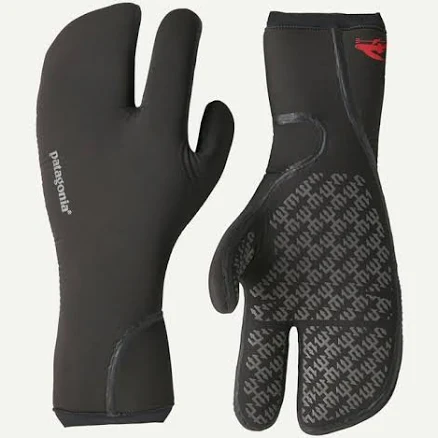
- Yulex (synthetic rubber), neoprene-free alternative
- The brand calls it PFAS-free, which we have not verified
- Allergic contact dermatitis (rubber/guayule sensitivity)
2 hazards checked on this product, all on its full breakdown.
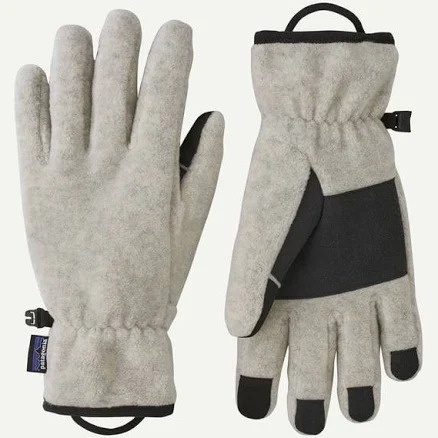
- Polyester fleece (Synchilla®); no water-repellent treatment disclosed
- The brand calls it PFAS-free, which we have not verified
- Microplastics
2 hazards checked on this product, all on its full breakdown.
More waterproof winter gloves grades
How we score, every product runs through the same public 0-100 rubric based on materials, coatings, brand disclosure, lab findings, and recalls. See the full methodology → Spotted a mistake? Report an error.