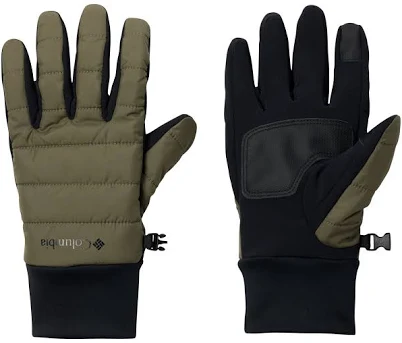
Columbia · Waterproof Winter Gloves
Columbia Men's Powder Lite II Gloves
Higher concern due to water-repellent treatment and no brand PFAS disclosure.
The Powder Lite II gloves have a synthetic insulation and nylon shell with a water-repellent treatment. The brand has no PFAS statement on record and does not disclose the chemistry of the treatment. No certifications or lab testing are on record.
The better-graded swap
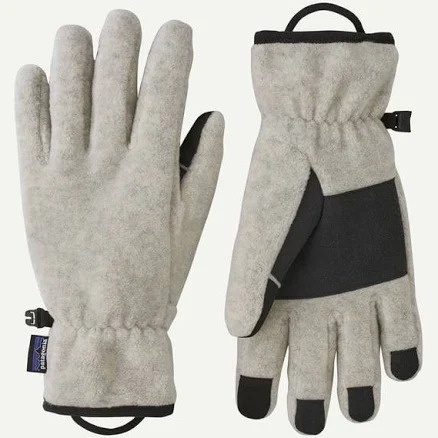
Patagonia
Patagonia Synchilla Gloves
90/100 safety
Same rubric that flunked this product. The swap earned Excellent.
Still want this one anyway? Check the price on Amazon. We’d swap it.
Material
Synthetic insulation (polyester/nylon shell) with water-repellent treatment
Lab data
No public lab test
You may also be interested in
Top-graded picks in the categories readers replace first, every one scored on the same rubric.

- polypropylene filter housing, carbon/sediment cartridge
- We found no PFAS statement from the brand
- Bacterial growth in spent cartridges
3 hazards checked on this product, all on its full breakdown.

Aquasure
Premier Series 75 GPD Under Sink Reverse Osmosis Water Filtration System
- RO membrane, carbon filters, stainless steel housing
- We found no PFAS statement from the brand
- Bacterial and microbial growth in housing and filters
4 hazards checked on this product, all on its full breakdown.

Avocado
Vegan Mattress
- organic cotton, natural latex, coconut coir, recycled steel coils
- The brand calls it PFAS-free, which we have not verified
- Heavy metals
2 hazards checked on this product, all on its full breakdown.
What Columbia Men's Powder Lite II Gloves is made of, ingredients and materials
The Powder Lite II shell combines nylon and polyester with a synthetic insulation core, a standard construction for budget winter gloves. The 'water-repellent treatment' is the key chemical exposure point, Columbia does not disclose whether this uses PFAS-based (fluorinated) water-repellent coating (water-repellent coating) or newer alternatives. Nylon and polyester themselves are chemically stable when worn but can shed microfibers during washing and wear, a minor concern for textiles in this category.
What’s concerning
Category baseline
The starting point for this type of product, before anything specific to this product is counted.
No PFAS disclosure
No public statement from the brand about PFAS in this product.
Waterproof / stain-resistant treatment
Water-repellent coating treatments have historically used PFAS.
Water-repellent treatment (water-repellent coating) chemistry, likely fluorinated
Columbia does not disclose whether Powder Lite II uses fluorinated (PFAS) or fluorine-free water-repellent coating. Fluorinated water-repellent coating is industry standard for this price point and durability; hand and skin contact during wear is low-risk, but persistent bioaccumulation if PFAS-based coating is the concern.
Microfiber shedding from synthetic shell and insulation
Nylon and polyester shed microfibers during washing and wear, contributing to microplastic load. Risk is typical for synthetic textiles; mitigation includes cold-wash cycles and reduced frequency of laundering.
What’s reassuring
Formaldehyde / VOCs
No specific safety alerts or test data for Columbia Powder Lite II regarding banned azo dyes or formaldehyde finishes. Nylon and polyester used by major brands typically meet Oeko-Tex or REACH limits; however, Columbia does not list product-specific dye certifications for this model.
Source, ATSDR ↗Seam tape and adhesive leachables
Waterproof glove seams may use polyurethane-based or solvent-containing adhesives. No field reports of dermal irritation from this model; risk is minimal for external-wear gloves, but sensitivity to synthetic adhesives is possible in rare cases.
Thermal stability of synthetic insulation under normal use
Risk only arises if gloves are stored near heat sources (>80°C) or intentionally heated; standard use poses no thermal hazard.
How is this PFAS grade calculated?
The brand's record and disclosure
Columbia Sportswear has not published a PFAS policy or commitment to phase out fluorinated water repellents, despite industry pressure since 2020. The brand does not advertise PFAS-free alternatives for this model. Columbia holds standard textile certifications (e.g., Oeko-Tex on some lines) but product-specific transparency on water-repellent coating chemistry is absent from public sources. No major safety recalls or contamination incidents are on record for this glove model.
How it compares in its category
Most affordable winter gloves ($30, 50 range) use fluorinated water-repellent coating; higher-end brands (Patagonia, some Arc'teryx lines) explicitly use or transition to PFAS-free wax-based or silicone water-repellent coating. Columbia's Powder Lite II is typical for the mid-market segment, functional waterproofing without transparent chemistry. Performance (warmth, grip, water shedding) is competitive; the trade-off is chemical opacity.
If you buy it
Wash in cold water and mild detergent only; avoid machine drying to preserve water-repellent coating and prevent unnecessary microfiber release. Do not expose to prolonged heat or direct flame (synthetic insulation can melt around 150, 180°C, though normal use poses no risk). Reapply water-repellent treatment (via commercial water-repellent coating spray) every 1, 2 seasons if water no longer beads; this is when careful application of a PFAS-free alternative is possible. If PFAS concern is high priority, contact Columbia directly to confirm water-repellent coating chemistry before purchase, as no public statement exists.
What is not known about PFAS in this product?
- Basis
- Model estimate, 45% confidence, not a lab result
- Lab test
- None on record for this exact product
- Brand statement
- Columbia has made a specific claim
Formulations change between production runs, so check the current label. How we grade.
What are the PFAS-free alternatives to Columbia Men's Powder Lite II Gloves?
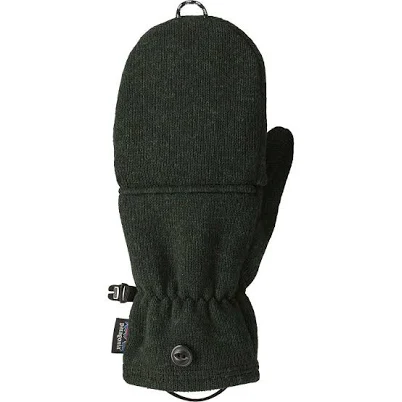
- Polyester fleece (recycled)
- The brand calls it PFAS-free, which we have not verified
- Heavy metals
2 hazards checked on this product, all on its full breakdown.
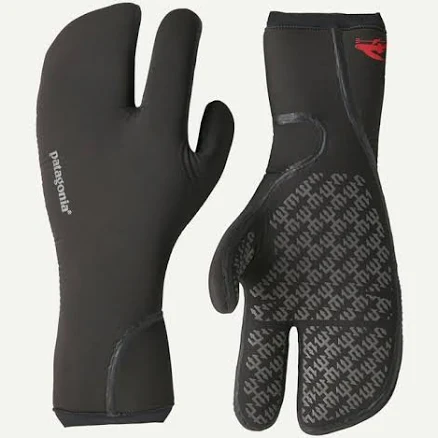
- Yulex (synthetic rubber), neoprene-free alternative
- The brand calls it PFAS-free, which we have not verified
- Allergic contact dermatitis (rubber/guayule sensitivity)
2 hazards checked on this product, all on its full breakdown.
- Polyester fleece (Synchilla®); no water-repellent treatment disclosed
- The brand calls it PFAS-free, which we have not verified
- Microplastics
2 hazards checked on this product, all on its full breakdown.
More waterproof winter gloves grades
How we score, every product runs through the same public 0-100 rubric based on materials, coatings, brand disclosure, lab findings, and recalls. See the full methodology → Spotted a mistake? Report an error.