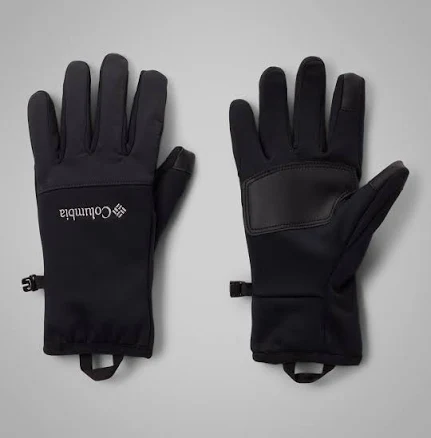
Columbia · Waterproof Winter Gloves
Columbia Women's Arctic Crest Gloves
Wait for Columbia to disclose water-repellent coating treatment; silent on PFAS is a red flag for gloves.
Columbia's Arctic Crest Gloves are insulated winter gloves with waterproof shell, almost certainly treated with a water-repellent finish. Columbia does not publicly reveal whether finish contains PFAS or offer PFAS-free claims. Standard winter glove water-repellent coating coatings often use fluorochemical compounds.
The better-graded swap
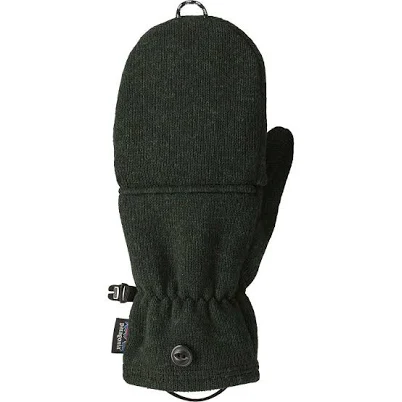
Patagonia
Better Sweater Gloves Patagonia Women's
90/100 safety
Same rubric that flunked this product. The swap earned Excellent.
Still want this one anyway? Check the price on Amazon. We’d swap it.
Material
Synthetic insulation + waterproof/breathable shell coating (unspecified)
Lab data
No public lab test
You may also be interested in
Top-graded picks in the categories readers replace first, every one scored on the same rubric.

- polypropylene filter housing, carbon/sediment cartridge
- We found no PFAS statement from the brand
- Bacterial growth in spent cartridges
3 hazards checked on this product, all on its full breakdown.

Aquasure
Premier Series 75 GPD Under Sink Reverse Osmosis Water Filtration System
- RO membrane, carbon filters, stainless steel housing
- We found no PFAS statement from the brand
- Bacterial and microbial growth in housing and filters
4 hazards checked on this product, all on its full breakdown.

Avocado
Vegan Mattress
- organic cotton, natural latex, coconut coir, recycled steel coils
- The brand calls it PFAS-free, which we have not verified
- Heavy metals
2 hazards checked on this product, all on its full breakdown.
What Columbia Women's Arctic Crest Gloves is made of, ingredients and materials
Columbia Arctic Crest gloves combine synthetic insulation (likely polyester or acrylic-based) with a waterproof-breathable shell coating of unspecified chemistry. The coating is the critical unknown, waterproofing in gloves typically relies on water-repellent coating (water-repellent coating) finishes, historically PFAS-based (PFOA, PFOS, or long-chain replacements). Without Columbia's disclosure, you cannot verify whether newer PFAS-free chemistries (wax, silicone, fluorine-free) or legacy PFAS compounds are used. Synthetic insulation itself poses minimal direct hazard but can off-gas volatile compounds when new or if exposed to high heat.
What’s concerning
Category baseline
The starting point for this type of product, before anything specific to this product is counted.
No PFAS disclosure
No public statement from the brand about PFAS in this product.
Waterproof / stain-resistant treatment
Water-repellent coating treatments have historically used PFAS.
PFAS
Columbia has not publicly disclosed whether the Arctic Crest uses PFAS-based or PFAS-free water-repellent coating. Industry standard for gloves historically used PFOA/PFOS or long-chain PFAS; newer alternatives exist but are not confirmed here. Unknown composition is the primary non-PFAS concern in this product.
Source, ATSDR ↗Coating degradation and leaching
As water-repellent coating shells wear or peel with use and washing, any embedded fluorochemicals could leach into sweat or water. This risk is not unique to Columbia but depends entirely on water-repellent coating chemistry, which is undisclosed. Proper care and timely replacement reduce exposure.
What’s reassuring
Synthetic insulation off-gassing (VOCs)
Polyester and acrylic insulation in new gloves may release minor volatile organic compounds during initial use and storage. No specific recalls or warnings for Columbia Arctic Crest gloves; ventilation and air-drying before wearing can minimize exposure. This hazard is common to the category and not elevated here.
Formaldehyde / VOCs
Formaldehyde-based finishing resins are used in some synthetic apparel for wrinkle resistance or stiffening. Columbia Arctic Crest gloves show no public recalls or warnings for formaldehyde; most mid-market winter gloves use low-formaldehyde processes. No specific evidence of elevated risk in this product.
Source, ATSDR ↗Heavy metals
If gloves are dyed, azo dyes (linked to aniline and other carcinogens) and heavy metals in pigments (lead, cadmium) are potential contaminants. No recalls or advisories for Columbia Arctic Crest gloves specifically; the brand is not known for dye safety controversies. Standard textile regulations in North America limit these, but disclosure is not available.
Source, FDA ↗How is this PFAS grade calculated?
The brand's record and disclosure
Columbia Sportswear has not made its water-repellent coating treatment chemistry public for this glove line or its broader outerwear range. The brand has signed no major PFAS-elimination pledges (e.g., Bluesign, ZDHC, or Cradle to Cradle certifications focused on fluorochemicals). This silence contrasts with competitors like Patagonia and Arc'teryx, which disclose PFAS avoidance or transition timelines. Columbia's lack of transparency is a documented pattern for performance textiles, not a specific scandal, but it reflects lower priority on this hazard class.
How it compares in its category
Winter gloves in this mid-market segment typically rely on PFAS-based water-repellent coating or PFAS-free alternatives (wax, silicone, or newer fluorine-free polymers). Columbia's Arctic Crest sits at the mid-price point without competitive transparency advantage. Higher-end brands (Arc'teryx, Rab) often disclose PFAS-free or transitional status; budget alternatives may use older PFAS. Columbia's product is functionally comparable but offers less assurance on chemical composition, making it a middle ground of uncertainty rather than a clear performance or safety leader.
If you buy it
Wash gloves in cool water with mild detergent; avoid machine drying or heat exposure above 50°C (120°F), which could degrade coatings and theoretically accelerate leaching if PFAS is present. Air-dry completely before storage. Inspect the shell coating annually for peeling or cracking; once degraded, waterproofing fails and protection is lost. Consider requesting Columbia's technical data sheet on water-repellent coating chemistry before purchase, or contact customer service directly to push for disclosure. If you have concerns about PFAS exposure, prioritize brands with explicit fluorine-free certifications.
What is not known about PFAS in this product?
- Basis
- Model estimate, 45% confidence, not a lab result
- Lab test
- None on record for this exact product
- Brand statement
- Columbia has made a specific claim
Formulations change between production runs, so check the current label. How we grade.
What are the PFAS-free alternatives to Columbia Women's Arctic Crest Gloves?
- Polyester fleece (recycled)
- The brand calls it PFAS-free, which we have not verified
- Heavy metals
2 hazards checked on this product, all on its full breakdown.
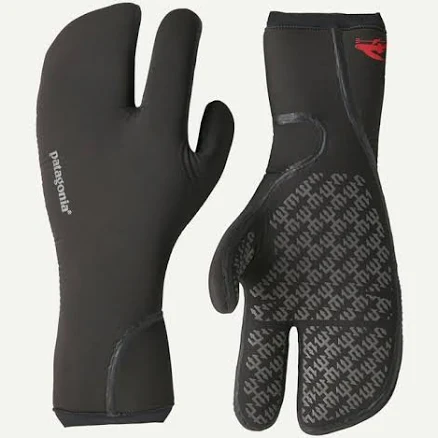
- Yulex (synthetic rubber), neoprene-free alternative
- The brand calls it PFAS-free, which we have not verified
- Allergic contact dermatitis (rubber/guayule sensitivity)
2 hazards checked on this product, all on its full breakdown.
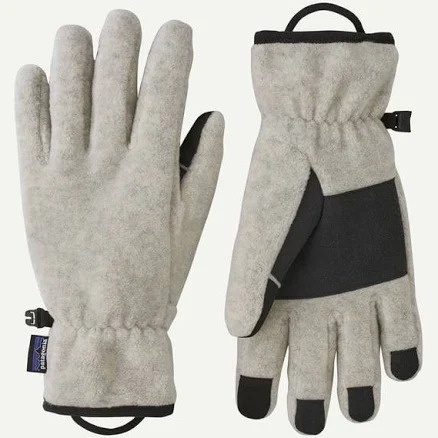
- Polyester fleece (Synchilla®); no water-repellent treatment disclosed
- The brand calls it PFAS-free, which we have not verified
- Microplastics
2 hazards checked on this product, all on its full breakdown.
More waterproof winter gloves grades
How we score, every product runs through the same public 0-100 rubric based on materials, coatings, brand disclosure, lab findings, and recalls. See the full methodology → Spotted a mistake? Report an error.