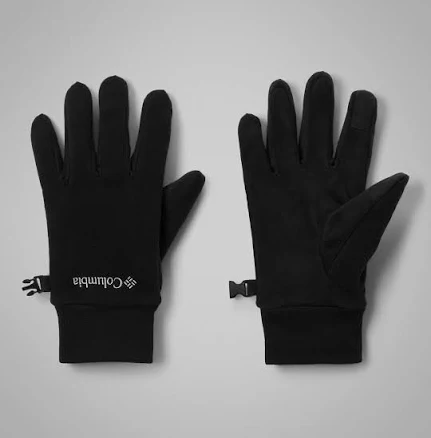
Columbia · Waterproof Winter Gloves
Columbia Women's Arctic Peak Gloves
Wait for Columbia to disclose water-repellent coating chemistry; gloves are routine PFAS-treatment suspects.
Columbia Arctic Peak Gloves are insulated winter gloves with a water-repellent coating typical of outdoor apparel. Columbia does not publicly reveal whether water-repellent coating finish contains PFAS or is PFAS-free. Without transparency or verification, PFAS risk cannot be ruled out.
The better-graded swap
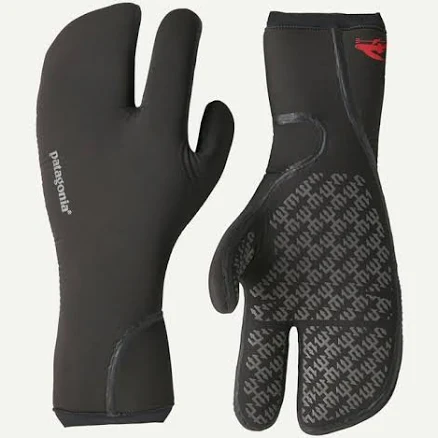
Patagonia
Patagonia R4 Yulex Regulator Three Finger Mitts
90/100 safety
Same rubric that flunked this product. The swap earned Excellent.
Still want this one anyway? Check the price on Amazon. We’d swap it.
Material
Nylon/polyester with water-repellent coating water-repellent finish
Lab data
No public lab test
You may also be interested in
Top-graded picks in the categories readers replace first, every one scored on the same rubric.

- polypropylene filter housing, carbon/sediment cartridge
- We found no PFAS statement from the brand
- Bacterial growth in spent cartridges
3 hazards checked on this product, all on its full breakdown.

Aquasure
Premier Series 75 GPD Under Sink Reverse Osmosis Water Filtration System
- RO membrane, carbon filters, stainless steel housing
- We found no PFAS statement from the brand
- Bacterial and microbial growth in housing and filters
4 hazards checked on this product, all on its full breakdown.

Avocado
Vegan Mattress
- organic cotton, natural latex, coconut coir, recycled steel coils
- The brand calls it PFAS-free, which we have not verified
- Heavy metals
2 hazards checked on this product, all on its full breakdown.
What Columbia Women's Arctic Peak Gloves is made of, ingredients and materials
Arctic Peak gloves use a nylon/polyester shell with a water-repellent coating (water-repellent coating) finish. The water-repellent coating is applied to repel moisture without blocking breathability, a standard treatment for winter gloves. The specific chemistry of Columbia's water-repellent coating finish is not publicly disclosed; historically, most commercial water-repellent coating treatments use PFAS compounds, though some brands have switched to fluorine-free alternatives. Without transparency from Columbia, the actual risk profile of the coating cannot be fully assessed.
What’s concerning
Category baseline
The starting point for this type of product, before anything specific to this product is counted.
No PFAS disclosure
No public statement from the brand about PFAS in this product.
Waterproof / stain-resistant treatment
Water-repellent coating treatments have historically used PFAS.
Synthetic textile degradation and microparticle shedding
Nylon/polyester gloves can shed microfibers during washing and wear. The water-repellent coating, if it degrades over time due to abrasion or improper care, may additionally flake into the environment. This is a general concern for synthetic winter apparel, not specific to Columbia, but unavoidable with this material class.
water-repellent coating leaching into skin or sweat
If the water-repellent coating finish contains PFAS compounds (unconfirmed for this product), there is a theoretical risk of low-level leaching into skin during prolonged wear in warm conditions or with heavy sweating. Risk is likely low during normal winter use but increases if gloves are worn in heated environments or if the coating degrades.
What’s reassuring
Formaldehyde / VOCs
No recalls or test results indicate azo dyes or formaldehyde resins in Arctic Peak gloves. Columbia's manufacturing standards for winter sportswear typically meet EU and US textile safety regulations, though product-specific chemical testing is not publicly available.
Source, ATSDR ↗Coating off-gassing or volatile emissions
No established data on volatile organic compound (VOC) emissions from Arctic Peak gloves at rest or during wear. Industrial water-repellent coating treatments typically cure fully before shipment, minimizing off-gassing, but fluorinated coatings may release trace volatiles if exposed to heat.
Allergen potential from dyes or synthetic materials
Nylon and polyester are generally well-tolerated, and no specific allergen alerts exist for this product. Individuals with latex allergy should verify that the glove construction does not include latex components, though this is uncommon in modern winter gloves.
How is this PFAS grade calculated?
The brand's record and disclosure
Columbia Sportswear has not publicly committed to PFAS-free water-repellent coating treatments or disclosed the chemistry of finishes used in specific products. The brand holds ISO 14001 environmental certifications and has published sustainability reports, but these do not typically detail per-product water-repellent coating chemistry. No major recalls or safety violations are on record for Arctic Peak gloves specifically. Compared to competitors like The North Face and REI Co-op brands, Columbia lags in transparency about fluorinated water repellents.
How it compares in its category
Winter gloves in this price and performance tier typically use PFAS-based water-repellent coating finishes; fluorine-free alternatives are less common but available from brands like Patagonia and some REI-label products. Arctic Peak gloves offer mid-range waterproofing and warmth at a competitive price, which often correlates with conventional water-repellent coating chemistry. If PFAS exposure during normal use of gloves is a concern for you, requesting product-specific water-repellent coating disclosure from Columbia before purchase is advisable, or switching to brands with publicly confirmed fluorine-free treatments.
If you buy it
Wash gloves in cool to warm water (not hot) and air-dry to preserve the water-repellent coating and avoid degradation that could release coating particles. Do not machine-dry or expose to direct heat, as elevated temperatures may increase any coating volatilization. Reapply a fluorine-free water-repellent coating spray annually if water no longer beads on the surface. Replace gloves if the coating visibly degrades (flaking, peeling) or if waterproofing fails, as worn coatings may shed microparticles. Store in a dry, ventilated space to prevent mold growth in the insulation layers.
What is not known about PFAS in this product?
- Basis
- Model estimate, 45% confidence, not a lab result
- Lab test
- None on record for this exact product
- Brand statement
- Columbia has made a specific claim
Formulations change between production runs, so check the current label. How we grade.
What are the PFAS-free alternatives to Columbia Women's Arctic Peak Gloves?
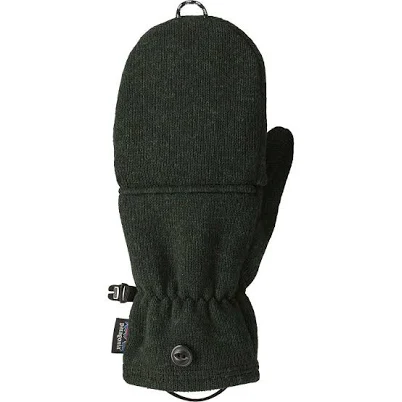
- Polyester fleece (recycled)
- The brand calls it PFAS-free, which we have not verified
- Heavy metals
2 hazards checked on this product, all on its full breakdown.
- Yulex (synthetic rubber), neoprene-free alternative
- The brand calls it PFAS-free, which we have not verified
- Allergic contact dermatitis (rubber/guayule sensitivity)
2 hazards checked on this product, all on its full breakdown.
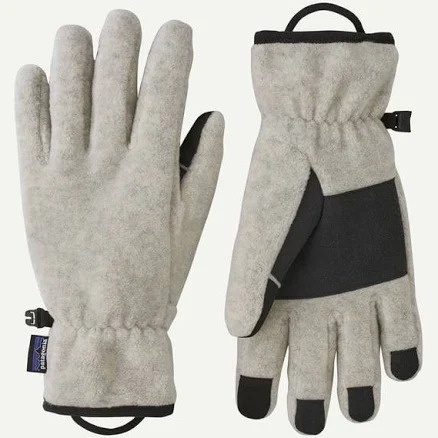
- Polyester fleece (Synchilla®); no water-repellent treatment disclosed
- The brand calls it PFAS-free, which we have not verified
- Microplastics
2 hazards checked on this product, all on its full breakdown.
More waterproof winter gloves grades
How we score, every product runs through the same public 0-100 rubric based on materials, coatings, brand disclosure, lab findings, and recalls. See the full methodology → Spotted a mistake? Report an error.