Depend · Incontinence Pads & Protection
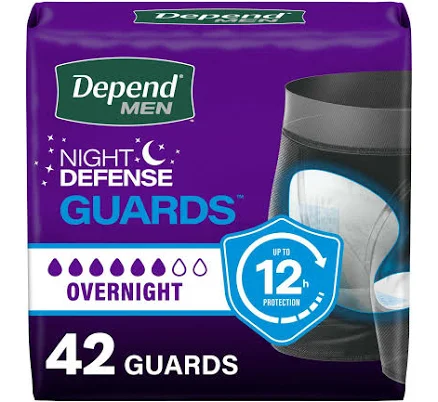
Depend Guards Incontinence Pads for Men
Medium-high risk; incontinence pads require waterproofing, likely PFAS concern without brand disclosure.
These pads use a moisture-barrier plastic backing typical of incontinence products, which may contain PFAS-based coatings. Kimberly-Clark provides no public disclosure of PFAS use or verification.
The better-graded swap
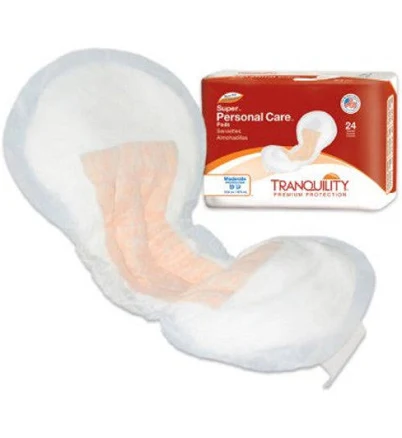
Tranquility
PBE Tranquility Personal Care Pads
70/100 safety
Same rubric that flunked this product. The swap earned Good.
Still want this one anyway? Check the price on Amazon. We’d swap it.
Material
Absorbent core (likely cellulose/fluff pulp), plastic backing film with moisture-barrier coating
Brand disclosure
Brand is silent on PFAS
Lab data
No public lab test
You may also be interested in
Top-graded picks in the categories readers replace first, every one scored on the same rubric.

- polypropylene filter housing, carbon/sediment cartridge
- We found no PFAS statement from the brand
- Bacterial growth in spent cartridges
3 hazards checked on this product, all on its full breakdown.

Aquasure
Premier Series 75 GPD Under Sink Reverse Osmosis Water Filtration System
- RO membrane, carbon filters, stainless steel housing
- We found no PFAS statement from the brand
- Bacterial and microbial growth in housing and filters
4 hazards checked on this product, all on its full breakdown.

Avocado
Vegan Mattress
- organic cotton, natural latex, coconut coir, recycled steel coils
- The brand calls it PFAS-free, which we have not verified
- Heavy metals
2 hazards checked on this product, all on its full breakdown.
What Depend Guards Incontinence Pads for Men is made of, ingredients and materials
Depend Guards use an absorbent core of cellulose fluff pulp (wood fiber) combined with a plastic backing film laminated with a moisture-barrier coating to prevent leakage. The backing film is typically polypropylene or polyethylene with a water-repellent finish, which almost certainly relies on fluorinated compounds (PFAS) to achieve the needed water-blocking performance without bulk. No published teardown of Depend Guards specifies the exact polymer or coating chemistry, but the functional requirement for a thin, durable, breathable moisture barrier in incontinence products historically correlates with fluorinated water-resistant finishes.
What’s concerning
Category baseline
The starting point for this type of product, before anything specific to this product is counted.
No PFAS disclosure
No public statement from the brand about PFAS in this product.
Waterproof / stain-resistant treatment
Water-repellent coating treatments have historically used PFAS.
PFAS
Fluorinated water-resistant finishes are industry-standard for incontinence pad backing. Depend does not disclose PFAS presence or limits, and no independent testing of this specific product is publicly available. Medium-high risk applies due to prolonged skin contact and lack of brand transparency.
Source, ATSDR ↗Skin irritation from plastic backing and moisture trap
Polypropylene or polyethylene backing, while inert itself, can create maceration and localized irritation if pads are not changed frequently. Reported complaints of redness and discomfort exist in user reviews, though causation is often multifactorial (fit, humidity, duration of wear). Risk is manageable with regular changes.
Adhesive and fastener residues
Depend Guards use adhesive strips to secure the pad. Adhesive chemistry (acrylics, tackifiers) is not disclosed. Skin sensitization or mild contact dermatitis has been anecdotally reported; risk is low for most users but elevated in those with sensitive or compromised skin.
Microplastic shedding from degraded backing
Polypropylene backing can degrade or fragment if pads are reused, washed, or exposed to extended heat or UV. This is not a typical use scenario, but improper disposal or laundering could release microplastics. Standard single-use disposal minimizes this risk.
What’s reassuring
Cellulose pulp contamination (bleach residues, dioxins)
Incontinence pad cores use food-grade cellulose pulp that is industrially bleached. Modern bleaching processes in regulated markets minimize dioxin formation, and no recalls or safety alerts for Depend Guards related to bleach residues or dioxins are recorded. Risk is considered low for established manufacturers.
How is this PFAS grade calculated?
The brand's record and disclosure
Depend (Kimberly-Clark) does not publicly disclose PFAS content, manufacturing limits, or phase-out timelines for incontinence pads. The company has not faced major regulatory action or public recalls tied to PFAS in this specific product line as of available records. Kimberly-Clark has made limited commitments to PFAS reduction in some personal care products but remains opaque on incontinence pad formulations. This silence is notable given that competitors and regulators in Europe have begun questioning PFAS in absorbent hygiene products.
How it compares in its category
Most mainstream incontinence pads (Depend, Tena, Always Discreet, Poise) use similar polypropylene or polyethylene backing with fluorinated moisture-barrier coatings; no major brand discloses PFAS-free alternatives in the mass market. Some niche suppliers advertise PFAS-free pads, but third-party verification is rare and cost is significantly higher. Depend's market position does not differentiate on PFAS or chemical transparency, so this product ranks with industry peers on this hazard. Choosing Depend does not materially increase or decrease PFAS exposure versus other conventional brands.
If you buy it
Change pads frequently (typically every 2 to 4 hours, or as directed) to minimize prolonged skin contact with the plastic backing and any leached components. Do not heat, wash, or machine-dry pads; use only as intended on skin. Inspect for signs of skin irritation, redness, or allergic reaction, especially in warm or humid conditions where moisture retention and microclimate issues are amplified. If long-term use is planned, consider periodic switching to alternative brands or products to reduce cumulative PFAS and chemical exposure from a single source.
What is not known about PFAS in this product?
- Basis
- Model estimate, 45% confidence, not a lab result
- Lab test
- None on record for this exact product
- Brand statement
- Depend has made none
Formulations change between production runs, so check the current label. How we grade.
What are the PFAS-free alternatives to Depend Guards Incontinence Pads for Men?
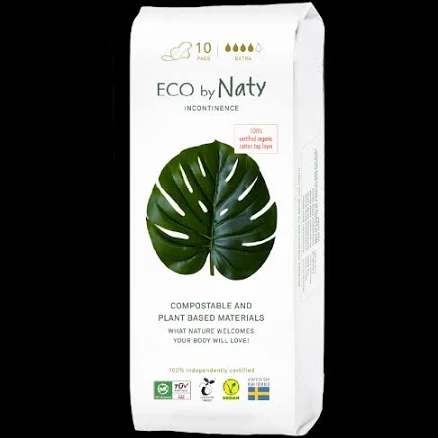
- Bamboo-derived viscose, cotton, plant-based absorbent core
- We found no PFAS statement from the brand
- Heavy metals
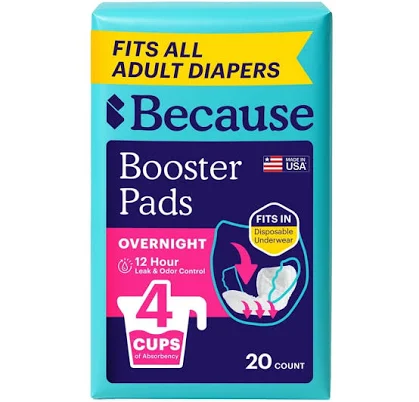
- Cellulose, superabsorbent polymer, cotton blend
- We found no PFAS statement from the brand
- Absorbent material degradation and bacterial growth
2 hazards checked on this product, all on its full breakdown.
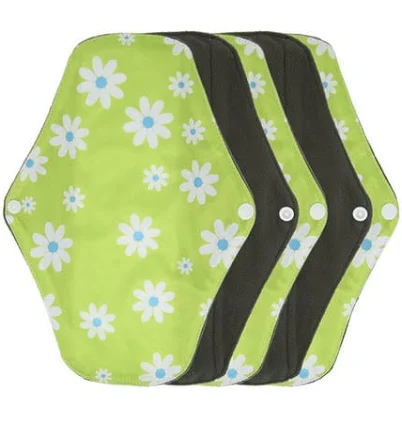
5pcs Bamboo Charcoal Washable Incontinence Pads
- bamboo charcoal textile, washable cotton-blend absorbent layer
- We found no PFAS statement from the brand
- Azo dyes and synthetic colorants
4 hazards checked on this product, all on its full breakdown.
More incontinence pads & protection grades
How we score, every product runs through the same public 0-100 rubric based on materials, coatings, brand disclosure, lab findings, and recalls. See the full methodology → Spotted a mistake? Report an error.