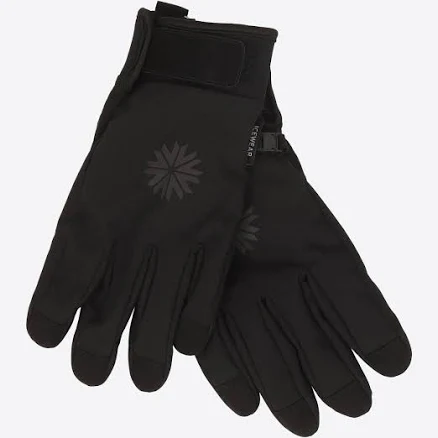
Elliðavatn waterproof gloves
Pass until the brand discloses water-repellent coating chemistry; waterproof gloves commonly use PFAS treatments.
These Elliðavatn rubber gloves are engineered for water resistance, historically achieved with PFAS-based water-repellent coating coatings. Hasn't disclosed the specific water-resistance chemistry.
The better-graded swap
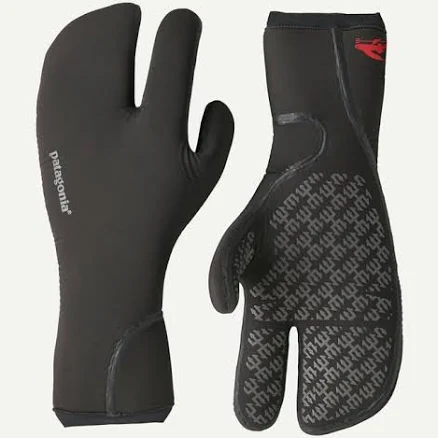
Patagonia
Patagonia R4 Yulex Regulator Three Finger Mitts
90/100 safety
Same rubric that flunked this product. The swap earned Excellent.
Still want this one anyway? Check the price on Amazon. We’d swap it.
Material
Rubber (likely neoprene or synthetic rubber blend) with waterproof treatment
Brand disclosure
Brand is silent on PFAS
Lab data
No public lab test
You may also be interested in
Top-graded picks in the categories readers replace first, every one scored on the same rubric.

- polypropylene filter housing, carbon/sediment cartridge
- We found no PFAS statement from the brand
- Bacterial growth in spent cartridges
3 hazards checked on this product, all on its full breakdown.

Aquasure
Premier Series 75 GPD Under Sink Reverse Osmosis Water Filtration System
- RO membrane, carbon filters, stainless steel housing
- We found no PFAS statement from the brand
- Bacterial and microbial growth in housing and filters
4 hazards checked on this product, all on its full breakdown.

Avocado
Vegan Mattress
- organic cotton, natural latex, coconut coir, recycled steel coils
- The brand calls it PFAS-free, which we have not verified
- Heavy metals
2 hazards checked on this product, all on its full breakdown.
What Elliðavatn waterproof gloves is made of, ingredients and materials
Elliðavatn gloves use synthetic rubber (likely neoprene or chloroprene blend) with a waterproof treatment layer. Neoprene itself is stable and does not leach known toxins under normal hand-temperature use. The waterproof finish is where uncertainty enters, the brand has not publicly disclosed whether this uses PFAS-based water-repellent coating (water-repellent coating) coatings, which is standard in the industry. Synthetic rubber can degrade over years with UV and flexing, but this occurs slowly in gloves.
What’s concerning
Category baseline
The starting point for this type of product, before anything specific to this product is counted.
No PFAS disclosure
No public statement from the brand about PFAS in this product.
Waterproof / stain-resistant treatment
Water-repellent coating treatments have historically used PFAS.
PFAS
Waterproof gloves almost universally use PFAS-based water-repellent coating finishes. The brand has not disclosed their chemistry. Graded separately as 20/100 safety.
Source, ATSDR ↗Synthetic rubber degradation and leaching
Neoprene and synthetic rubber blends are generally stable, but degradation under UV, heat, or flexing can produce minor chemical release after years of use. Risk is low under typical hand-temperature exposure.
Contact dermatitis from synthetic rubber or water-repellent coating additives
Neoprene is a known contact allergen for a small subset of users; waterproof finish additives may sensitize skin in rare cases. Risk is typical for the category.
What’s reassuring
Formaldehyde / VOCs
No recalls or reports of formaldehyde residue or azo dyes in rubber gloves. Modern synthetic rubber formulations avoid these, but brand does not certify this publicly.
Source, ATSDR ↗Microparticle shedding from coating wear
No evidence of microplastic or microparticle release from waterproof glove coatings during use. This is not a known issue with rubber glove finishes when maintained properly.
How is this PFAS grade calculated?
The brand's record and disclosure
The brand is a Swedish outdoor brand with a reputation for sustainability messaging, but they do not publicly disclose water-repellent coating chemistry for their waterproof products. No major recalls or contamination incidents are on record for this model. The brand has not committed to PFAS-free waterproofing across its product line, and independent testing of their gloves for PFAS content is not publicly available. This silence is typical of the industry but represents a significant gap in transparency for consumers concerned about fluorinated compounds.
How it compares in its category
Most waterproof winter gloves sold at this price point use conventional PFAS-based water-repellent coating treatments; Elliðavatn is not an outlier. A small number of brands (e.g., Patagonia, some merino wool brands) now offer PFAS-free or explicitly low-PFAS alternatives, though these often cost more and may sacrifice water-repellency durability. The brand's positioning does not reflect their actual chemical disclosure practices. If PFAS avoidance is a priority, this product does not meet that bar without direct brand confirmation.
If you buy it
Store gloves in a cool, dry place away from direct sunlight to slow rubber degradation. Hand-wash with mild soap; avoid machine washing and high heat, which can degrade both rubber and waterproof coatings. Replace when seams leak or rubber becomes brittle or tacky (typically 3-5 years with regular winter use). Do not assume the gloves are PFAS-free; if you are avoiding fluorinated compounds, contact directly before purchase to confirm water-repellent coating treatment.
What is not known about PFAS in this product?
- Basis
- Model estimate, 45% confidence, not a lab result
- Lab test
- None on record for this exact product
- Brand statement
- has made none
Formulations change between production runs, so check the current label. How we grade.
What are the PFAS-free alternatives to Elliðavatn waterproof gloves?
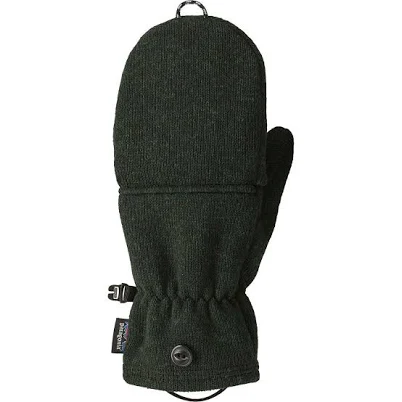
- Polyester fleece (recycled)
- The brand calls it PFAS-free, which we have not verified
- Heavy metals
2 hazards checked on this product, all on its full breakdown.
- Yulex (synthetic rubber), neoprene-free alternative
- The brand calls it PFAS-free, which we have not verified
- Allergic contact dermatitis (rubber/guayule sensitivity)
2 hazards checked on this product, all on its full breakdown.
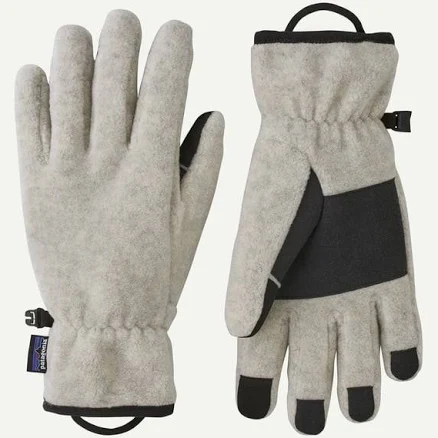
- Polyester fleece (Synchilla®); no water-repellent treatment disclosed
- The brand calls it PFAS-free, which we have not verified
- Microplastics
2 hazards checked on this product, all on its full breakdown.
More waterproof winter gloves grades
How we score, every product runs through the same public 0-100 rubric based on materials, coatings, brand disclosure, lab findings, and recalls. See the full methodology → Spotted a mistake? Report an error.