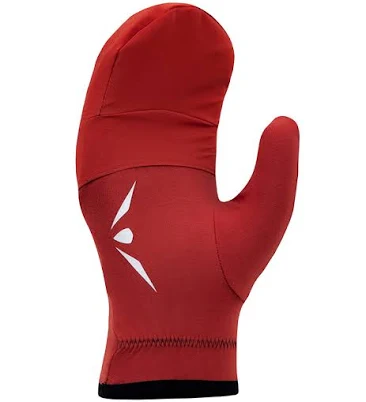
Waterproof Gloves
Waterproof nylon gloves with undisclosed water-repellent coating present higher concern.
These polyamide gloves have a water-repellent coating of unspecified chemistry. The brand has no PFAS statement on record for this product. water-repellent coating treatments have historically used PFAS compounds.
The better-graded swap
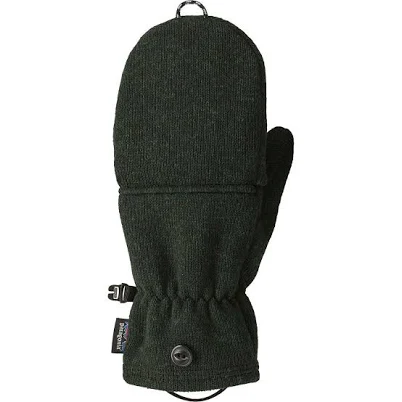
Patagonia
Better Sweater Gloves Patagonia Women's
90/100 safety
Same rubric that flunked this product. The swap earned Excellent.
Still want this one anyway? Check the price on Amazon. We’d swap it.
Material
Polyamide/nylon with water-repellent coating (unspecified)
Brand disclosure
Brand is silent on PFAS
Lab data
No public lab test
You may also be interested in
Top-graded picks in the categories readers replace first, every one scored on the same rubric.

- polypropylene filter housing, carbon/sediment cartridge
- We found no PFAS statement from the brand
- Bacterial growth in spent cartridges
3 hazards checked on this product, all on its full breakdown.

Aquasure
Premier Series 75 GPD Under Sink Reverse Osmosis Water Filtration System
- RO membrane, carbon filters, stainless steel housing
- We found no PFAS statement from the brand
- Bacterial and microbial growth in housing and filters
4 hazards checked on this product, all on its full breakdown.

Avocado
Vegan Mattress
- organic cotton, natural latex, coconut coir, recycled steel coils
- The brand calls it PFAS-free, which we have not verified
- Heavy metals
2 hazards checked on this product, all on its full breakdown.
What Waterproof Gloves is made of, ingredients and materials
The brand's waterproof gloves use polyamide (nylon) as the base fiber with an applied water-repellent coating (water-repellent coating) coating. The nylon itself is chemically stable during normal wear and poses minimal direct toxicity risk to skin. The water-repellent coating treatment is the material of concern, it creates the water-shedding property but the specific chemical formulation is not disclosed, meaning the presence or absence of PFAS compounds cannot be verified by the consumer.
What’s concerning
Category baseline
The starting point for this type of product, before anything specific to this product is counted.
No PFAS disclosure
No public statement from the brand about PFAS in this product.
Waterproof / stain-resistant treatment
Water-repellent coating treatments have historically used PFAS.
PFAS
The brand does not disclose water-repellent coating chemistry. Legacy PFAS-based water repellents are industry standard for glove durability, and absence of explicit PFAS-free certification suggests possible fluorocarbon use. Migration to skin is low under normal wear but increases with frequent washing or if coating degrades.
Source, ATSDR ↗Formaldehyde / VOCs
Polyamide gloves sometimes use formaldehyde-based fixing or wrinkle-resistance treatments in manufacturing. Not specific to the brand but not ruled out; any existing formaldehyde typically volatilizes during production and initial washing.
Source, ATSDR ↗Azo dyes or synthetic pigments
The dye used in colored nylon gloves may include azo dyes or heavy-metal pigments if not certified organic or eco-dyed. Gloves are often black or neutral colors; risk is low but not independently verified.
Microplastic shedding from degrading water-repellent coating
As water-repellent coating coatings wear and flake, gloves shed microscopic coating particles into wash water and soil. This is not unique to the brand but affects all synthetic waterproof textiles. Regular recoating mitigates shedding.
Skin irritation from residual coating chemicals
If water-repellent coating treatment includes reactive fluorochemicals or solvents, unwashed new gloves can cause contact irritation in sensitive individuals. Pre-washing before extended wear is recommended.
How is this PFAS grade calculated?
The brand's record and disclosure
The brand has not published detailed chemical ingredient disclosures or a comprehensive PFAS policy for their textile products. The brand markets sustainability credentials (durability, responsible sourcing) but does not transparently communicate whether water-repellent coating treatments use PFAS-free alternatives or legacy fluorochemicals. This silence is notable because major competitors (Arc'teryx, Patagonia) have begun phasing PFAS or offering product lines with lower PFAS concern, making the brand's lack of clarity a relative weakness in category transparency.
How it compares in its category
Waterproof winter gloves typically use either PFAS-based water-repellent coating (fast-drying, durable, inexpensive) or alternatives not typically linked to PFAS (wax, silicone, polyurethane coatings). The brand's undisclosed approach is middle-of-the-road, the gloves are well-reviewed for durability, suggesting a robust coating, but that durability is consistent with traditional PFAS formulations. Brands with explicit PFAS-free certifications (e.g., some Outdoor Research models) or full fluorocarbon disclosure offer more transparency, though they may cost more or require more frequent reapplication.
If you buy it
Wash gloves in cool to warm water (not hot) with mild detergent before first use to reduce residual coating chemicals. Avoid machine drying or direct heat; air dry completely. water-repellent coating coatings degrade with washing; reapply commercial water-repellent coating treatment (spray or wash-in) annually if you use the gloves frequently or in heavy rain. Replace gloves if the coating becomes patchy, water beads unevenly, or the nylon develops small tears, as degraded coatings may shed microfibers. Store in a dry place away from direct sunlight.
What is not known about PFAS in this product?
- Basis
- Model estimate, 35% confidence, not a lab result
- Lab test
- None on record for this exact product
- Brand statement
- has made none
Formulations change between production runs, so check the current label. How we grade.
What are the PFAS-free alternatives to Waterproof Gloves?
- Polyester fleece (recycled)
- The brand calls it PFAS-free, which we have not verified
- Heavy metals
2 hazards checked on this product, all on its full breakdown.
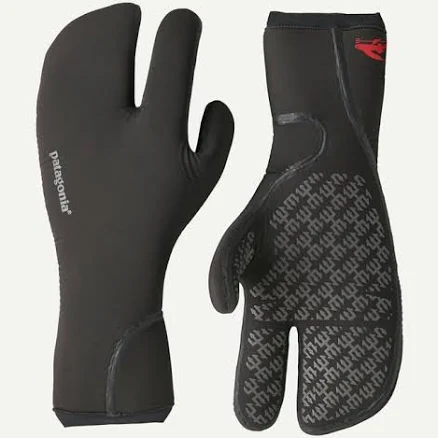
- Yulex (synthetic rubber), neoprene-free alternative
- The brand calls it PFAS-free, which we have not verified
- Allergic contact dermatitis (rubber/guayule sensitivity)
2 hazards checked on this product, all on its full breakdown.
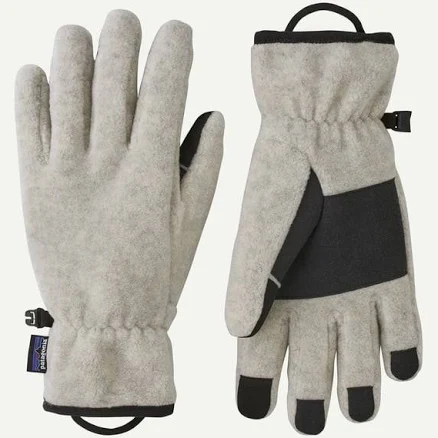
- Polyester fleece (Synchilla®); no water-repellent treatment disclosed
- The brand calls it PFAS-free, which we have not verified
- Microplastics
2 hazards checked on this product, all on its full breakdown.
More waterproof winter gloves grades
How we score, every product runs through the same public 0-100 rubric based on materials, coatings, brand disclosure, lab findings, and recalls. See the full methodology → Spotted a mistake? Report an error.