Hestra · Waterproof Winter Gloves
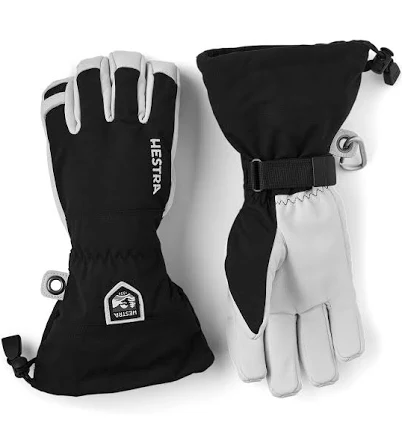
Hestra Army Leather Heli Ski Glove
Leather ski gloves with water treatment carry inherent water-repellent coating-PFAS risk; Hestra's treatment chemicals undisclosed.
Hestra Army Leather Heli Ski Gloves are leather with applied water-repellent finish, standard for premium ski apparel. Hestra does not publicly reveal whether water-repellent coating treatment uses legacy PFAS, fluorine-free alternatives, or wax-based finishes. No third-party PFAS testing is publicly available.
The better-graded swap
Patagonia
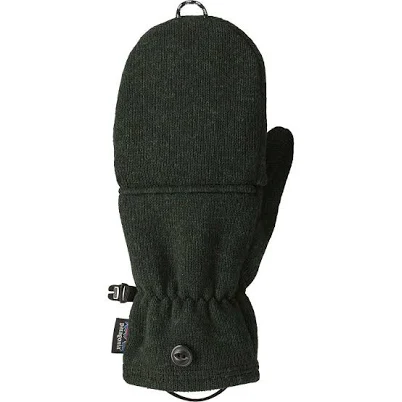
Better Sweater Gloves Patagonia Women's
90/100 safety
Same rubric that flunked this product. The swap earned Excellent.
Still want this one anyway? Check the price on Amazon. We’d swap it.
Material
Leather shell with water-repellent coating (water-repellent coating) treatment
Brand disclosure
Brand is silent on PFAS
Lab data
No public lab test
You may also be interested in
Top-graded picks in the categories readers replace first, every one scored on the same rubric.

- polypropylene filter housing, carbon/sediment cartridge
- We found no PFAS statement from the brand
- Bacterial growth in spent cartridges
3 hazards checked on this product, all on its full breakdown.

Aquasure
Premier Series 75 GPD Under Sink Reverse Osmosis Water Filtration System
- RO membrane, carbon filters, stainless steel housing
- We found no PFAS statement from the brand
- Bacterial and microbial growth in housing and filters
4 hazards checked on this product, all on its full breakdown.

Avocado
Vegan Mattress
- organic cotton, natural latex, coconut coir, recycled steel coils
- The brand calls it PFAS-free, which we have not verified
- Heavy metals
2 hazards checked on this product, all on its full breakdown.
What Hestra Army Leather Heli Ski Glove is made of, ingredients and materials
The Hestra Army Leather Heli Ski Glove uses full-grain leather as the primary shell, which is inherently durable and water-resistant without chemical coating. However, the water-repellent coating (water-repellent coating) treatment applied to enhance water beading is the critical unknown, Hestra does not publicly disclose whether this treatment contains PFAS or fluorocarbon compounds. Leather itself poses no typical chemical hazard when sourced and tanned with standard methods, though tannery practices vary globally.
What’s concerning
Category baseline
The starting point for this type of product, before anything specific to this product is counted.
No PFAS disclosure
No public statement from the brand about PFAS in this product.
Waterproof / stain-resistant treatment
Water-repellent coating treatments have historically used PFAS.
PFAS
Leather ski gloves almost universally receive water-repellent coating treatment; Hestra does not publish whether theirs contains PFAS or legacy fluorocarbons. Skin contact during use and hand-washing cannot be ruled out as an exposure route.
Source, ATSDR ↗Grip coating or palm reinforcement toxicity
If palm grip is synthetic rubber or silicone, undisclosed additives (phthalates, heavy metal pigments) are theoretically possible; Hestra does not detail grip material chemistry, but premature wear suggests standard industrial coatings.
What’s reassuring
Lead
No specific contamination reported for Hestra leather goods. Standard tanneries may use chromium salts; Hestra does not claim chrome-free or vegetable tanning for this model, but no testing data suggests elevated risk.
Source, ATSDR ↗Dye migration or azo dyes in leather coloring
Restricted azo dyes are regulated in EU textile manufacturing; Hestra is EU-based and likely complies, but no third-party certification (Oeko-Tex, bluesign) is claimed for this specific glove line.
Formaldehyde / VOCs
This model is primarily leather with minimal synthetic content, reducing formaldehyde risk from resins; no reports of off-gassing or odor complaints in available reviews.
Source, ATSDR ↗How is this PFAS grade calculated?
The brand's record and disclosure
Hestra is a Swedish glove manufacturer with a reputation for quality but limited public transparency on chemical treatments in their product lines. The company has not published a PFAS-free commitment or provided water-repellent coating chemistry specifics for this or comparable models. No significant recalls or established contamination incidents are on record for Hestra gloves, but the silence on treatment chemicals is notable in an industry where premium brands increasingly disclose such details.
How it compares in its category
Waterproof ski gloves typically rely on water-repellent coating treatment or synthetic liners; leather-based options from premium brands (Hestra, Arc'teryx, Mountain Equipment) generally do not disclose treatment chemistry as readily as technical synthetic-shell glove makers. Most competing leather ski gloves carry the same undisclosed water-repellent coating risk. This product sits in the mid-to-high price tier where durability and water-shedding are prioritized, making water-repellent coating treatment standard but opaque across the category.
If you buy it
Wash hands after extended wear until the glove is broken in, as fresh water-repellent coating coatings can transfer to skin. Do not machine wash; use lukewarm water and gentle soap on soiled areas, then air-dry away from direct heat. Reapply water-repellent coating treatment seasonally if water no longer beads; confirm the reapplication product's chemistry before use. If PFAS exposure is a priority concern, contact Hestra directly to request treatment specifics before purchase.
What is not known about PFAS in this product?
- Basis
- Model estimate, 45% confidence, not a lab result
- Lab test
- None on record for this exact product
- Brand statement
- Hestra has made none
Formulations change between production runs, so check the current label. How we grade.
What are the PFAS-free alternatives to Hestra Army Leather Heli Ski Glove?
- Polyester fleece (recycled)
- The brand calls it PFAS-free, which we have not verified
- Heavy metals
2 hazards checked on this product, all on its full breakdown.
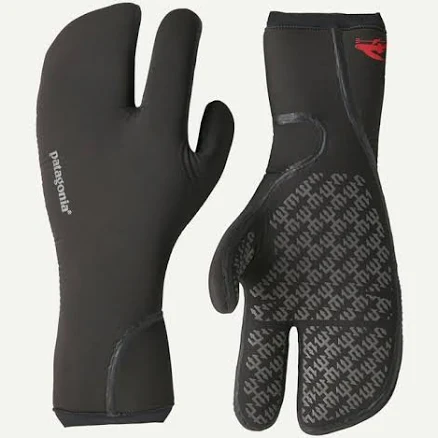
- Yulex (synthetic rubber), neoprene-free alternative
- The brand calls it PFAS-free, which we have not verified
- Allergic contact dermatitis (rubber/guayule sensitivity)
2 hazards checked on this product, all on its full breakdown.
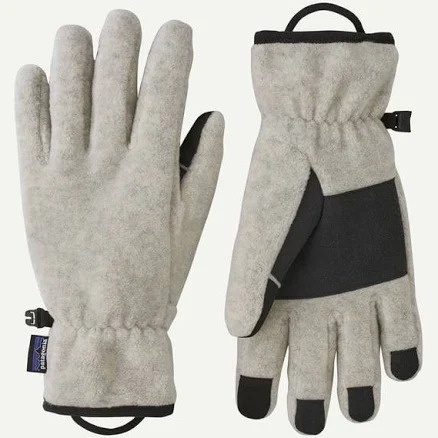
- Polyester fleece (Synchilla®); no water-repellent treatment disclosed
- The brand calls it PFAS-free, which we have not verified
- Microplastics
2 hazards checked on this product, all on its full breakdown.
More waterproof winter gloves grades
How we score, every product runs through the same public 0-100 rubric based on materials, coatings, brand disclosure, lab findings, and recalls. See the full methodology → Spotted a mistake? Report an error.