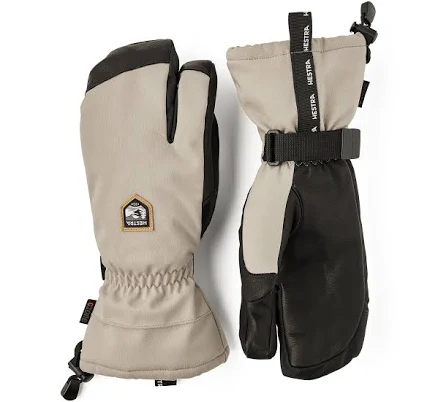
Hestra · Waterproof Winter Gloves
Hestra CZone Mountain 3 Finger
Wait for Hestra to disclose water-repellent coating chemistry or provide third-party PFAS testing.
Hestra CZone mountain gloves use a water-repellent coating finish, historically linked to PFAS. The brand offers no public disclosure of water-repellent coating chemistry or PFAS status. Without lab testing or transparency, these gloves carry moderate PFAS concern.
The better-graded swap
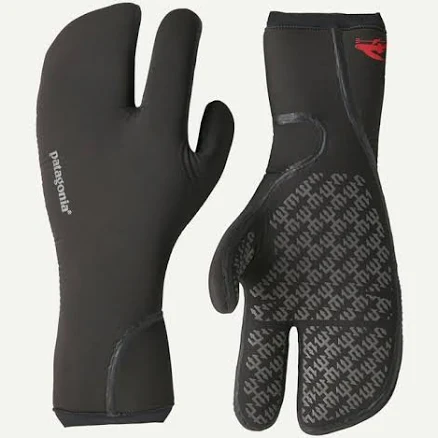
Patagonia
Patagonia R4 Yulex Regulator Three Finger Mitts
90/100 safety
Same rubric that flunked this product. The swap earned Excellent.
Still want this one anyway? Check the price on Amazon. We’d swap it.
Material
Leather palm, synthetic/nylon back with water-repellent coating water-repellent treatment
Brand disclosure
Brand is silent on PFAS
Lab data
No public lab test
You may also be interested in
Top-graded picks in the categories readers replace first, every one scored on the same rubric.

- polypropylene filter housing, carbon/sediment cartridge
- We found no PFAS statement from the brand
- Bacterial growth in spent cartridges
3 hazards checked on this product, all on its full breakdown.

Aquasure
Premier Series 75 GPD Under Sink Reverse Osmosis Water Filtration System
- RO membrane, carbon filters, stainless steel housing
- We found no PFAS statement from the brand
- Bacterial and microbial growth in housing and filters
4 hazards checked on this product, all on its full breakdown.

Avocado
Vegan Mattress
- organic cotton, natural latex, coconut coir, recycled steel coils
- The brand calls it PFAS-free, which we have not verified
- Heavy metals
2 hazards checked on this product, all on its full breakdown.
What Hestra CZone Mountain 3 Finger is made of, ingredients and materials
The CZone Mountain 3 Finger combines leather on the palm (a natural material with established durability) with nylon/synthetic on the back treated with a water-repellent coating (water-repellent coating) finish. The water-repellent coating treatment is the critical unknown, most commercial winter glove water-repellent coating finishes historically relied on C6 or C8 PFAS compounds, though some brands have shifted to fluorine-free alternatives. Hestra's silence on which chemistry they use means you cannot rule out PFAS exposure during normal wear and laundering.
What’s concerning
Category baseline
The starting point for this type of product, before anything specific to this product is counted.
No PFAS disclosure
No public statement from the brand about PFAS in this product.
Waterproof / stain-resistant treatment
Water-repellent coating treatments have historically used PFAS.
PFAS
Hestra has not publicly disclosed water-repellent coating chemistry; historical industry standard is C6/C8 PFAS, though fluorine-free alternatives exist. Skin contact during normal wear and leaching during laundering are the main exposure routes.
Source, ATSDR ↗Coating degradation and microfiber shedding
Repeated wear and washing will gradually degrade the water-repellent coating finish and nylon backing, releasing synthetic microfibers into wastewater and potentially onto skin. This is a known issue across all synthetic-backed gloves but is not unique to Hestra.
What’s reassuring
Formaldehyde / VOCs
No public record of formaldehyde-based resin finishes or excessive formaldehyde in Hestra gloves. Leather and nylon can be treated with formaldehyde for wrinkle resistance, but winter gloves do not typically require such finishing, and no complaints on file.
Source, ATSDR ↗Azo dyes in nylon or leather dyeing
Hestra does not disclose dye chemistry. Azo dyes are regulated in the EU and tested for carcinogenic breakdown products, but no specific violations or concerns have been documented for this brand's gloves. Skin contact with dyes is minimal on hand wear.
Heavy metals
Leather is treated with chromium or vegetable-based tanning agents; Hestra does not disclose tanning chemistry. Chromium-III (the standard tanning agent in most commercial leather) has low bioavailability through skin contact and is not a documented concern for glove wear. No brand-specific incidents on record.
Source, FDA ↗How is this PFAS grade calculated?
The brand's record and disclosure
Hestra is a Swedish glove manufacturer with a heritage reputation but has not published detailed material safety disclosures, third-party testing results for PFAS, or commitment to PFAS-free alternatives on their public channels as of available records. No major recalls or documented health incidents linked to this specific model are on file. The brand's opacity on water-repellent coating chemistry is a red flag in an industry where competitors (e.g., some premium outdoor brands) now disclose fluorine-free water-repellent coating use; silence suggests either legacy chemistry or indifference to consumer transparency.
How it compares in its category
Winter gloves in this tier (leather palm, synthetic back, three-finger design) typically compete on durability and water resistance. Many mainstream competitors use identical water-repellent coating formulations without disclosure. Brands marketing explicitly as 'PFAS-free' or 'fluorine-free water-repellent coating' are increasingly common at similar price points, making Hestra's lack of clarity a competitive disadvantage for risk-conscious buyers rather than a unique problem. The leather/synthetic hybrid is standard and not a differentiator for safety.
If you buy it
Wash these gloves infrequently and in cold water to minimize shedding of water-repellent coating finish into wastewater. Avoid machine drying and heat above room temperature, which can degrade the nylon backing and potentially release volatile compounds from the water-repellent coating coat. Replace when the water-repellent property visibly fails (water beading disappears) rather than retreating, as re-application may introduce different formulations you cannot verify. Consider requesting PFAS test results from Hestra before purchase; lack of response should inform your decision.
What is not known about PFAS in this product?
- Basis
- Model estimate, 45% confidence, not a lab result
- Lab test
- None on record for this exact product
- Brand statement
- Hestra has made none
Formulations change between production runs, so check the current label. How we grade.
What are the PFAS-free alternatives to Hestra CZone Mountain 3 Finger?
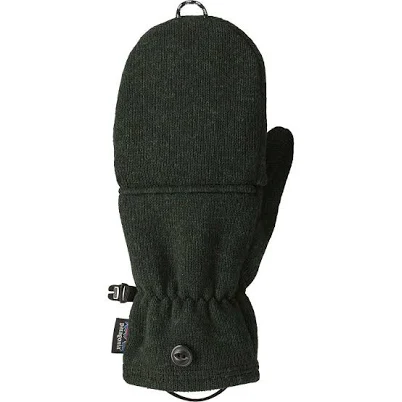
- Polyester fleece (recycled)
- The brand calls it PFAS-free, which we have not verified
- Heavy metals
2 hazards checked on this product, all on its full breakdown.
- Yulex (synthetic rubber), neoprene-free alternative
- The brand calls it PFAS-free, which we have not verified
- Allergic contact dermatitis (rubber/guayule sensitivity)
2 hazards checked on this product, all on its full breakdown.
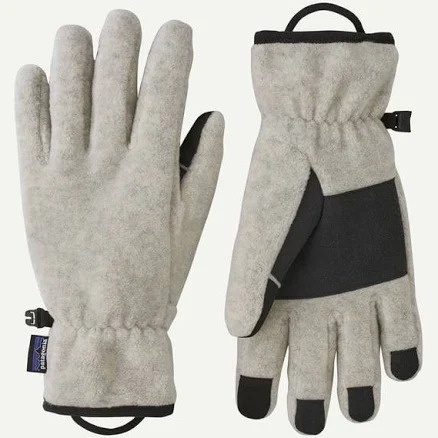
- Polyester fleece (Synchilla®); no water-repellent treatment disclosed
- The brand calls it PFAS-free, which we have not verified
- Microplastics
2 hazards checked on this product, all on its full breakdown.
More waterproof winter gloves grades
How we score, every product runs through the same public 0-100 rubric based on materials, coatings, brand disclosure, lab findings, and recalls. See the full methodology → Spotted a mistake? Report an error.