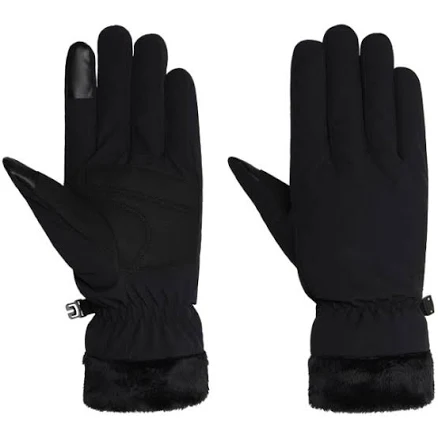
Jack Wolfskin · Waterproof Winter Gloves
Jack Wolfskin Women's Highloft Gloves
Pass until Jack Wolfskin discloses water-repellent coating chemistry; outdoor gloves typically use fluorinated water repellents.
Jack Wolfskin's Highloft Gloves use water-repellent coating treatment, a common PFAS source in outdoor apparel, but the brand won't disclose the specific coating chemistry. PFAS risk cannot be reliably assessed without transparency.
The better-graded swap
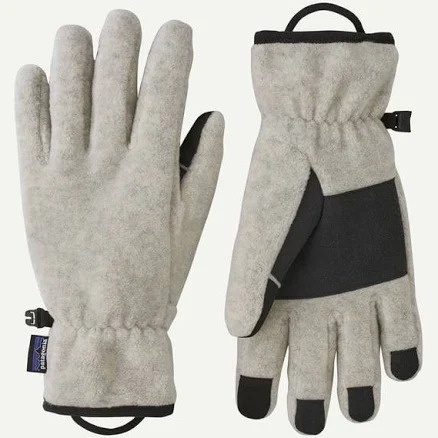
Patagonia
Patagonia Synchilla Gloves
90/100 safety
Same rubric that flunked this product. The swap earned Excellent.
Still want this one anyway? Check the price on Amazon. We’d swap it.
Material
Synthetic outer shell with water-repellent coating (unspecified type)
Brand disclosure
Brand is silent on PFAS
Lab data
No public lab test
What Jack Wolfskin Women's Highloft Gloves is made of, ingredients and materials
Jack Wolfskin Highloft gloves use a synthetic outer shell (likely polyester or polyamide blend) treated with a water-repellent coating (water-repellent coating) coating to shed snow and moisture. The specific chemistry of the water-repellent coating is not disclosed by the brand, which is the core concern since most waterproof winter gloves use fluorinated compounds (Teflon-type coating or C6/C8 Teflon-family coating) that may contain or release PFAS. The inner lining is typically fleece or insulating synthetic material, which carries minimal chemical hazard if not heavily treated. Thermal bonding and seam sealing are standard for winter gloves and do not introduce known safety risks.
What’s concerning
Category baseline
The starting point for this type of product, before anything specific to this product is counted.
No PFAS disclosure
No public statement from the brand about PFAS in this product.
Waterproof / stain-resistant treatment
Water-repellent coating treatments have historically used PFAS.
water-repellent coating degradation and leaching
Undisclosed water-repellent coating chemistry means the type and durability of the water repellent is unknown. As synthetic coatings wear, they can shed microparticles and potentially release residual chemicals; risk is mitigated if gloves are used as intended (external wear, not mouthed or heavily handled by children).
Heat sensitivity of synthetic shell and coating
Polyester and most synthetic water-repellent coating coatings have a melting point around 260-300 degrees Fahrenheit. Machine drying on high heat or ironing can permanently degrade the fabric and damage water repellency; tumble dry on low or air dry to preserve function.
What’s reassuring
Microplastics
Polyester or polyamide outer shells may shed microfibers during washing and wear, particularly if seams are damaged. This is a general concern for all synthetic winter apparel, not specific to Jack Wolfskin, but washing in a mesh bag reduces release into water systems.
Source, EPA ↗Formaldehyde / VOCs
No recalls or public data indicate formaldehyde resin treatment or problematic azo dyes in Jack Wolfskin glove lines. Standard dyeing and finishing for outdoor polyester are typically within safety limits, but brand does not guarantee OEKO-TEX or similar third-party color-safety certification.
Source, ATSDR ↗Allergen or irritant potential from insulation or linings
Synthetic fleece or polyester insulation carries minimal allergy or skin irritation risk in normal use. No documentation of formaldehyde-based bonding agents or flame retardants specific to this product line.
The full breakdown
The brand's record and disclosure
Jack Wolfskin, owned by Pinewood, does not publicly disclose water-repellent coating chemistry or commit to PFAS-free certifications for its waterproof glove line. The brand has no documented major recalls or chemical safety controversies specific to apparel, but this silence on fluorinated water repellents is consistent with industry-wide opacity on PFAS use. No third-party certifications (Bluesign, GOTS, OEKO-TEX) are advertised for this product. Outdoor gear brands in this price tier rarely provide detailed chemical transparency unless specifically certified.
How it compares in its category
Winter gloves with synthetic shells and water-repellent coating coatings dominate the mid-range market; Jack Wolfskin's Highloft sits in a competitive segment alongside brands like The North Face and Columbia, all of which face the same PFAS disclosure gap. Premium alternatives from brands like Patagonia and Arc'teryx increasingly publicize PFAS-free or transparent water-repellent coating strategies, though cost is typically 30-50% higher. Budget alternatives (unbranded or commodity brands) often use lower-quality water-repellent coating that degrades faster, requiring more frequent replacement. For a standard winter glove, Highloft represents typical industry practice rather than a leader or laggard in safety disclosure.
If you buy it
Wash in cool water with mild detergent; avoid fabric softeners and high heat drying, which can degrade both the synthetic material and water-repellent coating prematurely. Do not bleach or iron. Reapply water-repellent coating (with a disclosed fluorine-free product if you prefer to minimize PFAS exposure) once yearly or when water beading diminishes noticeably. Replace gloves when linings separate, seams fray, or insulation compresses and no longer provides warmth. Store dry and away from direct heat to extend lifespan.
What we don’t know
- Basis
- Model estimate, 42% confidence, not a lab result
- Lab test
- None on record for this exact product
- Brand statement
- Jack Wolfskin has made none
Formulations change between production runs, so check the current label. How we grade.
Better-graded alternatives in Waterproof Winter Gloves
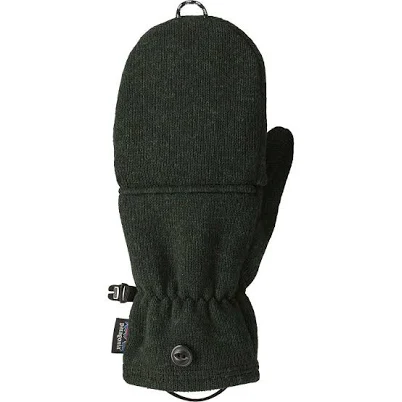
Patagonia
Better Sweater Gloves Patagonia Women's
- Polyester fleece (recycled)
- The brand calls it PFAS-free, which we have not verified
- Heavy metals
2 hazards checked on this product. See all of them.
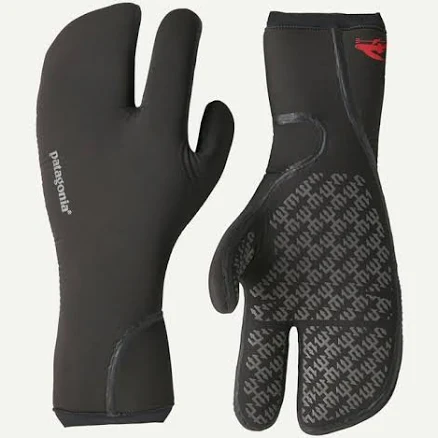
Patagonia
R4 Yulex Regulator Three Finger Mitts
- Yulex (synthetic rubber), neoprene-free alternative
- The brand calls it PFAS-free, which we have not verified
- Allergic contact dermatitis (rubber/guayule sensitivity)
2 hazards checked on this product. See all of them.
Patagonia
Synchilla Gloves
- Polyester fleece (Synchilla®); no water-repellent treatment disclosed
- The brand calls it PFAS-free, which we have not verified
- Microplastics
2 hazards checked on this product. See all of them.
More waterproof winter gloves grades
How we score, every product runs through the same public 0-100 rubric based on materials, coatings, brand disclosure, lab findings, and recalls. See the full methodology → Spotted a mistake? Report an error.