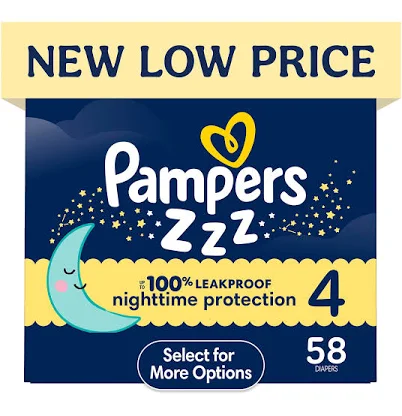
Pampers Swaddlers Overnights · Incontinence Pads & Protection
Pampers Diapers Swaddlers
Medium-high risk; skip until Pampers clarifies waterproof coatings or choose verified alternatives.
These diapers use waterproof treatments typical of disposables, but Pampers does not disclose the barrier layer's chemical composition. No public testing data or brand PFAS statement exists.
The better-graded swap
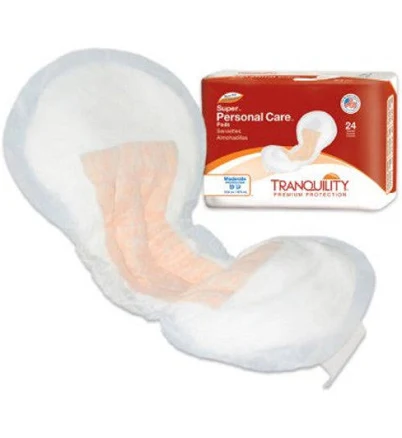
Tranquility
PBE Tranquility Personal Care Pads
70/100 safety
Same rubric that flunked this product. The swap earned Good.
Still want this one anyway? Check the price on Amazon. We’d swap it.
Material
Cellulose/polypropylene core with waterproof outer layer (unspecified composition)
Brand disclosure
Brand is silent on PFAS
Lab data
No public lab test
You may also be interested in
Top-graded picks in the categories readers replace first, every one scored on the same rubric.

- polypropylene filter housing, carbon/sediment cartridge
- We found no PFAS statement from the brand
- Bacterial growth in spent cartridges
3 hazards checked on this product, all on its full breakdown.

Aquasure
Premier Series 75 GPD Under Sink Reverse Osmosis Water Filtration System
- RO membrane, carbon filters, stainless steel housing
- We found no PFAS statement from the brand
- Bacterial and microbial growth in housing and filters
4 hazards checked on this product, all on its full breakdown.

Avocado
Vegan Mattress
- organic cotton, natural latex, coconut coir, recycled steel coils
- The brand calls it PFAS-free, which we have not verified
- Heavy metals
2 hazards checked on this product, all on its full breakdown.
What Pampers Diapers Swaddlers is made of, ingredients and materials
Pampers Swaddlers Overnights use a cellulose/polypropylene absorbent core with an unspecified waterproof outer layer, likely a polyethylene or polyurethane-based film. The core materials are standard across the diaper industry, but the waterproof coating is where PFAS contamination typically occurs in disposable diapers, since manufacturers often use fluorinated compounds to achieve liquid barrier performance. Cellulose itself is low-risk, but the manufacturing process and additives in the outer layers remain poorly disclosed by Pampers.
What’s concerning
Category baseline
The starting point for this type of product, before anything specific to this product is counted.
No PFAS disclosure
No public statement from the brand about PFAS in this product.
Waterproof / stain-resistant treatment
Water-repellent coating treatments have historically used PFAS.
PFAS
Disposable diapers commonly use fluorinated compounds in outer layers for waterproofing; Pampers does not publicly confirm PFAS-free status, and peer research indicates legacy diaper brands often retain PFAS formulations.
Source, ATSDR ↗Acrylate/polymer residues from adhesives and coatings
Absorbent gels and adhesive layers in diapers may release unreacted monomers or plasticizers under stress or over time; no specific testing of Swaddlers Overnights is publicly available, but this is a known issue class for disposable absorbent products.
Skin irritation from fragrance or dyes (if present)
Pampers Swaddlers Overnights are unscented and use minimal dyes, reducing acute allergy risk compared to fragranced variants; however, infants with sensitive skin remain at risk from any residual colorants or manufacturing byproducts.
Microplastic or fiber shedding
Polypropylene-based materials can fragment when wet and degraded; long-term exposure risk to infants is unclear, but fibers from the outer or core layers could migrate into skin or be ingested if diaper material is torn.
What’s reassuring
Undisclosed chlorine-based bleaching residues
Cellulose pulp in diapers is typically bleached; Pampers does not disclose bleaching agents or dioxin/furan testing results, but industry-standard processing seldom leaves detectable residues in the final product.
How is this PFAS grade calculated?
The brand's record and disclosure
Pampers (owned by Procter & Gamble) does not publicly disclose whether their waterproof coatings contain PFAS or PFAS-free alternatives, a significant transparency gap given peer manufacturers like Seventh Generation have committed to PFAS-free formulations. P&G has faced criticism for opacity on chemical composition in diapers and other absorbent products. No major recalls or acute safety incidents specific to Swaddlers Overnights are on public record, but the lack of third-party testing or certification for PFAS presence is concerning for a product in direct contact with sensitive infant skin.
How it compares in its category
Swaddlers Overnights occupies the premium segment of disposable diapers, competing on absorbency and wetness indication rather than chemical transparency. Alternatives like Pampers Swaddlers (non-overnight) and budget brands like Mama Bear face similar PFAS disclosure gaps, though some independent retailers stock PFAS-free diapers certified by third parties (e.g., MADE SAFE). The overnight formulation requires enhanced waterproofing, making PFAS risk slightly higher than standard Pampers products, though no comparative testing data is publicly available.
If you buy it
Change diapers frequently to minimize skin contact time with the outer layer and any potential leachables. Do not intentionally heat or expose to high temperatures; standard room storage is appropriate. If an infant develops unexplained skin irritation, rash, or sensitivity, try an alternative brand and consult a pediatrician. Request PFAS-free documentation directly from Pampers or consider writing to P&G to signal demand for transparency; absence of public commitment is a reason to explore competitors while deciding.
What is not known about PFAS in this product?
- Basis
- Model estimate, 45% confidence, not a lab result
- Lab test
- None on record for this exact product
- Brand statement
- Pampers Swaddlers Overnights has made none
Formulations change between production runs, so check the current label. How we grade.
What are the PFAS-free alternatives to Pampers Diapers Swaddlers?
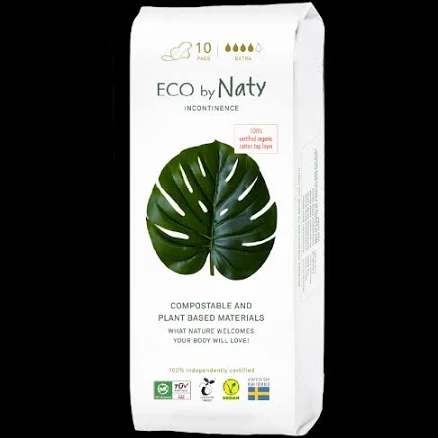
- Bamboo-derived viscose, cotton, plant-based absorbent core
- We found no PFAS statement from the brand
- Heavy metals
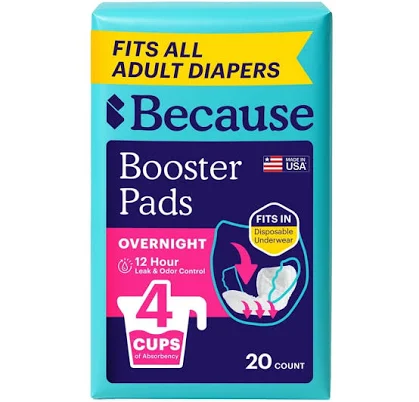
- Cellulose, superabsorbent polymer, cotton blend
- We found no PFAS statement from the brand
- Absorbent material degradation and bacterial growth
2 hazards checked on this product, all on its full breakdown.
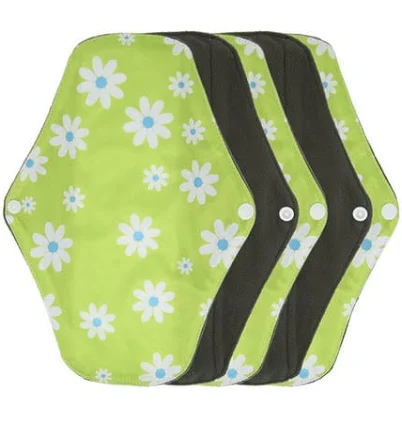
5pcs Bamboo Charcoal Washable Incontinence Pads
- bamboo charcoal textile, washable cotton-blend absorbent layer
- We found no PFAS statement from the brand
- Azo dyes and synthetic colorants
4 hazards checked on this product, all on its full breakdown.
More incontinence pads & protection grades
How we score, every product runs through the same public 0-100 rubric based on materials, coatings, brand disclosure, lab findings, and recalls. See the full methodology → Spotted a mistake? Report an error.