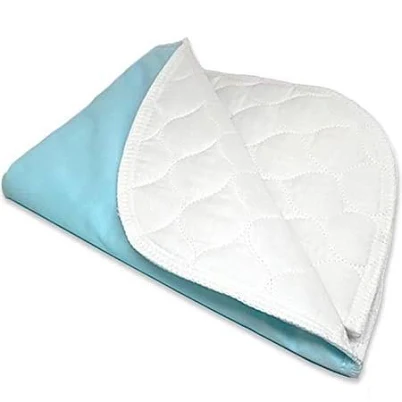
· Incontinence Pads & Protection
RMS Ultra Soft 4-Layer Washable and Reusable Incontinence Bed Pad
Skip until brand discloses waterproof coating chemistry.
RMS Ultra Soft bed pads require waterproofing to function, but the brand provides no disclosure of coating chemistry or PFAS status. Reusable incontinence pads often rely on fluorocarbon water-resistant treatments.
The better-graded swap
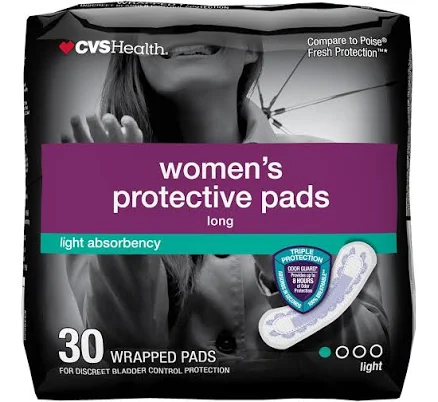
CVS Health
CVS Women's Protective Pads Moderate Absorbency
70/100 safety
Same rubric that flunked this product. The swap earned Good.
Still want this one anyway? Check the price on Amazon. We’d swap it.
Material
multi-layer textile with waterproof backing (unspecified polymer)
Brand disclosure
Brand is silent on PFAS
Lab data
No public lab test
You may also be interested in
Top-graded picks in the categories readers replace first, every one scored on the same rubric.

- polypropylene filter housing, carbon/sediment cartridge
- We found no PFAS statement from the brand
- Bacterial growth in spent cartridges
3 hazards checked on this product, all on its full breakdown.

Aquasure
Premier Series 75 GPD Under Sink Reverse Osmosis Water Filtration System
- RO membrane, carbon filters, stainless steel housing
- We found no PFAS statement from the brand
- Bacterial and microbial growth in housing and filters
4 hazards checked on this product, all on its full breakdown.

Avocado
Vegan Mattress
- organic cotton, natural latex, coconut coir, recycled steel coils
- The brand calls it PFAS-free, which we have not verified
- Heavy metals
2 hazards checked on this product, all on its full breakdown.
What RMS Ultra Soft 4-Layer Washable Bed Pad is made of, ingredients and materials
This is a multi-layer textile pad with an unspecified waterproof polymer backing, likely polyurethane or thermoplastic polyester, plus absorbent core layers (cotton or polyester blend typical for this category). The waterproof layer is the critical unknown, it must repel fluid but its chemical composition determines whether it sheds microplastics, off-gases volatile compounds, or relies on PFAS coatings. The textile face layers can harbor formaldehyde-based finishing resins and synthetic dyes unless certified otherwise.
What’s concerning
Category baseline
The starting point for this type of product, before anything specific to this product is counted.
No PFAS disclosure
No public statement from the brand about PFAS in this product.
Waterproof / stain-resistant treatment
Water-repellent coating treatments have historically used PFAS.
Microplastics
Unspecified polymer backing may shed synthetic particles into laundry water, especially during washing and drying cycles common to washable pads. Risk increases with product age and mechanical wear.
Source, EPA ↗Formaldehyde / VOCs
Synthetic fiber blends and cotton-polyester layers often use durable-press or wrinkle-resistant finishes containing formaldehyde donors. No certification data provided to rule this out.
Source, ATSDR ↗Azo dyes in colored fabric
If pad has colored stitching or patterned layers, azo-based dyes are common and can release aromatic amines under heat or wear. Confirm colorfast durability claims.
Polymer backing degradation and leachate volatilization
Polyurethane or TPE backings can off-gas volatile organic compounds (VOCs) if not fully cured during manufacturing or if degraded by heat, moisture, or extended storage. Improper storage before sale compounds this risk.
Bacterial growth in multi-layer structure if not dried fully
Layered absorbent pads retain moisture in trapped zones if not air-dried completely after washing. This fosters odor-causing bacteria and mold; inadequate care shortens product lifespan and hygiene.
How is this PFAS grade calculated?
The brand's record and disclosure
The brand does not publicly disclose the chemical composition of the waterproof backing or confirm absence of PFAS, flame retardants, or formaldehyde finishes. No relevant certifications (OEKO-TEX, GOTS, or similar textile safety standards) are listed in available product information. The brand's silence on coating chemistry is a red flag in the incontinence-pad category, where waterproof durability often comes with chemical trade-offs.
How it compares in its category
Incontinence pads universally require waterproof backing, making PFAS or other water-repellent chemicals nearly unavoidable unless explicitly certified. The brand's washable, reusable model is environmentally preferable to disposables but shifts the disclosure burden onto the brand. Competing brands (e.g., some medical-grade suppliers) do publish backing materials and certifications; The brand's lack of transparency is below category best practice.
If you buy it
Wash before first use and always with separate laundry loads to avoid microplastic shedding onto other textiles. Air dry or use low heat only; machine drying may accelerate polymer degradation and particle release. Inspect backing monthly for cracks, discoloration, or loss of water repellency; replace pads within 2-3 years or after visible wear. Request product safety documentation (MSDS for backing material, OEKO-TEX or equivalent) from the supplier before bulk orders.
What is not known about PFAS in this product?
- Basis
- Model estimate, 35% confidence, not a lab result
- Lab test
- None on record for this exact product
- Brand statement
- has made none
Formulations change between production runs, so check the current label. How we grade.
What are the PFAS-free alternatives to RMS Ultra Soft 4-Layer Washable and Reusable Incontinence Bed Pad?
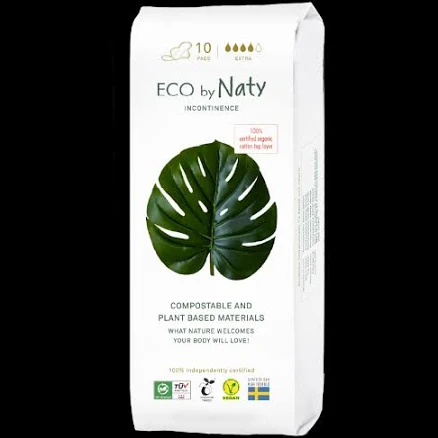
- Bamboo-derived viscose, cotton, plant-based absorbent core
- We found no PFAS statement from the brand
- Heavy metals
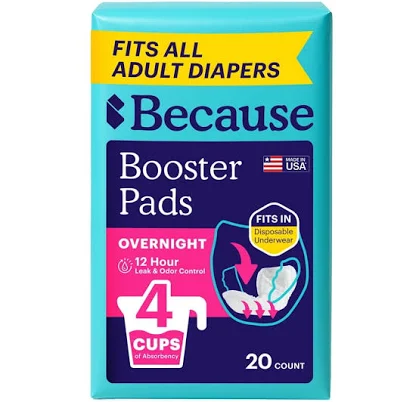
- Cellulose, superabsorbent polymer, cotton blend
- We found no PFAS statement from the brand
- Absorbent material degradation and bacterial growth
2 hazards checked on this product, all on its full breakdown.
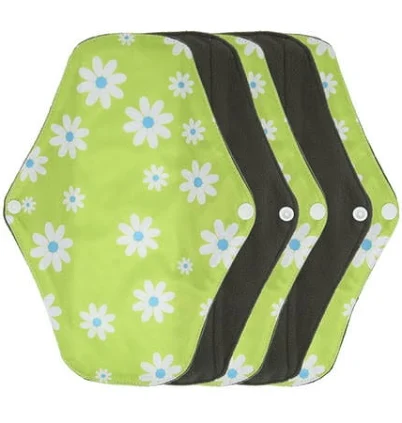
5pcs Bamboo Charcoal Washable Incontinence Pads
- bamboo charcoal textile, washable cotton-blend absorbent layer
- We found no PFAS statement from the brand
- Azo dyes and synthetic colorants
4 hazards checked on this product, all on its full breakdown.
More incontinence pads & protection grades
How we score, every product runs through the same public 0-100 rubric based on materials, coatings, brand disclosure, lab findings, and recalls. See the full methodology → Spotted a mistake? Report an error.