· Incontinence Pads & Protection
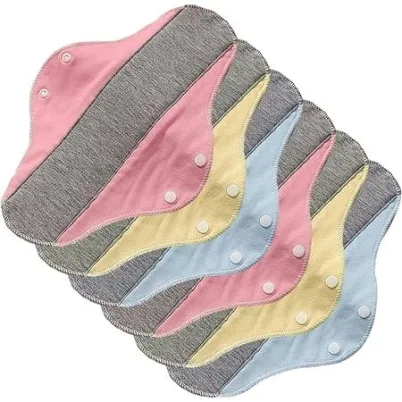
Women's Reusable Washable Incontinence Pads
Skip until brand discloses coating chemistry or provides testing.
Reusable incontinence pads require waterproof backing, historically relying on PFAS-based treatments. The brand provides no disclosure of coating materials, PFAS status, or third-party verification.
The better-graded swap
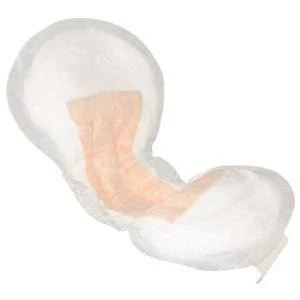
Tranquility
Tranquility Personal Care Pads 13.5" x 6.5", 96/Case
70/100 safety
Same rubric that flunked this product. The swap earned Good.
Still want this one anyway? Check the price on Amazon. We’d swap it.
Material
fabric blend (likely cotton/synthetic) with waterproof backing/coating, type unspecified
Brand disclosure
Brand is silent on PFAS
Lab data
No public lab test
You may also be interested in
Top-graded picks in the categories readers replace first, every one scored on the same rubric.

- polypropylene filter housing, carbon/sediment cartridge
- We found no PFAS statement from the brand
- Bacterial growth in spent cartridges
3 hazards checked on this product, all on its full breakdown.

Aquasure
Premier Series 75 GPD Under Sink Reverse Osmosis Water Filtration System
- RO membrane, carbon filters, stainless steel housing
- We found no PFAS statement from the brand
- Bacterial and microbial growth in housing and filters
4 hazards checked on this product, all on its full breakdown.

Avocado
Vegan Mattress
- organic cotton, natural latex, coconut coir, recycled steel coils
- The brand calls it PFAS-free, which we have not verified
- Heavy metals
2 hazards checked on this product, all on its full breakdown.
What Women's Reusable Washable Pads is made of, ingredients and materials
Reusable incontinence pads appear to use a cotton/synthetic fabric blend with an unspecified waterproof backing or coating layer. The backing is critical because it prevents fluid leakage, but its composition, whether polyurethane, silicone, or fluorinated compounds, determines chemical safety. Without manufacturer specification, you cannot confirm whether the waterproof layer relies on PFAS (persistent fluorinated chemicals used in water/oil repellency) or lower concern alternatives. The fabric layer itself poses lower risk if it is primarily cotton or standard polyester, but the coating is the key unknown.
What’s concerning
Category baseline
The starting point for this type of product, before anything specific to this product is counted.
No PFAS disclosure
No public statement from the brand about PFAS in this product.
Waterproof / stain-resistant treatment
Water-repellent coating treatments have historically used PFAS.
Waterproof coating degradation and microplastic shedding
Synthetic waterproof backings (polyurethane, silicone, or unknown polymers) degrade with repeated washing and heat. No published durability or shedding data exists for pads; worn coatings may release microparticles into wastewater or cause surface cracking that compromises absorbency.
Allergic contact dermatitis from coating or fabric finishes
Waterproof polymer coatings and fabric finishing chemicals (dyes, resins, antimicrobial treatments) can trigger skin irritation in sensitive users. Incontinence pads contact skin for extended periods, increasing exposure risk. The brand provides no hypoallergenic certifications or sensitive-skin testing data.
Bacterial or fungal growth if moisture retention occurs
Reusable incontinence pads rely on breathability and drying speed to prevent moisture-trapping, which promotes microbial growth. No absorption-rate or dry-time specifications are published for pads, making it unclear whether the product design minimizes conditions for skin infections.
What’s reassuring
Undisclosed synthetic fabric content and dye safety
If the fabric blend includes polyester or nylon, azo dyes or heavy metals in pigmentation are theoretically possible but not documented for this brand. Cotton content reduces risk. Formaldehyde resins in finishing treatments are uncommon in incontinence pads but not ruled out without material transparency.
Heavy metals
No recalls or test results document heavy metal contamination in incontinence pads. Industry standard testing for textiles can catch cadmium, lead, or chromium in dyes, but the brand does not disclose whether such testing is performed.
Source, FDA ↗How is this PFAS grade calculated?
The brand's record and disclosure
The brand does not publicly disclose coating chemistry, material sourcing, or third-party safety certifications for this product line. No recalls, contamination incidents, or formal safety testing results are on record for this brand's incontinence pads. The absence of transparency about waterproof coating materials (especially regarding PFAS avoidance) is a red flag in a product category where fluorinated water-resistant treatments are common industry practice. Until the brand provides testing data or explicit confirmation that coatings are PFAS-free, chemical safety claims cannot be verified.
How it compares in its category
Reusable incontinence pads vary widely in coating safety. Some premium brands (e.g., Knix, Thinx) market PFAS-free or explicitly tested waterproof layers; others remain silent. The brand's lack of marketing around coating safety suggests either use of conventional (potentially PFAS-containing) treatments or simply poor communication. Disposable incontinence pads also carry PFAS risk but are not worn long-term. The brand's reusable format is more sustainable, but the durability and coating integrity over hundreds of washes is not documented, raising questions about microplastic shedding or coating degradation.
If you buy it
Wash in cold water and air dry to maximize coating longevity and avoid heat-driven polymer breakdown or potential chemical leaching. Replace pads if waterproof backing visibly degrades, flakes, or loses repellency, as compromised coatings may shed microparticles. Do not machine dry or expose to direct heat, which can weaken synthetic backing. Request material safety data from before purchase if you have chemical sensitivity concerns; silence on coating chemistry is not equivalent to safety assurance.
What is not known about PFAS in this product?
- Basis
- Model estimate, 35% confidence, not a lab result
- Lab test
- None on record for this exact product
- Brand statement
- has made none
Formulations change between production runs, so check the current label. How we grade.
What are the PFAS-free alternatives to Women's Reusable Washable Incontinence Pads?
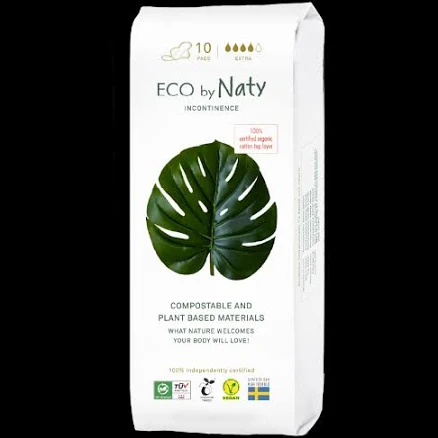
- Bamboo-derived viscose, cotton, plant-based absorbent core
- We found no PFAS statement from the brand
- Heavy metals
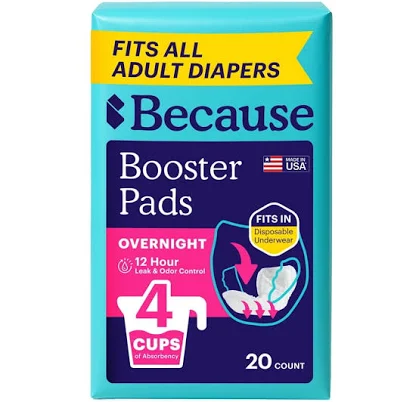
- Cellulose, superabsorbent polymer, cotton blend
- We found no PFAS statement from the brand
- Absorbent material degradation and bacterial growth
2 hazards checked on this product, all on its full breakdown.
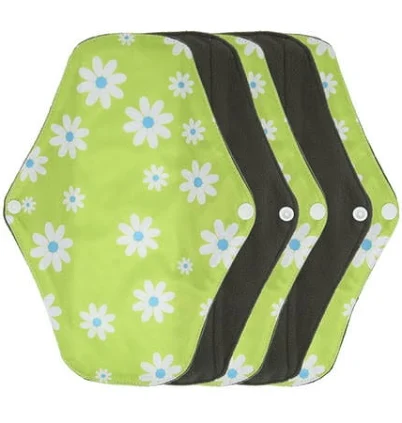
5pcs Bamboo Charcoal Washable Incontinence Pads
- bamboo charcoal textile, washable cotton-blend absorbent layer
- We found no PFAS statement from the brand
- Azo dyes and synthetic colorants
4 hazards checked on this product, all on its full breakdown.
More incontinence pads & protection grades
How we score, every product runs through the same public 0-100 rubric based on materials, coatings, brand disclosure, lab findings, and recalls. See the full methodology → Spotted a mistake? Report an error.