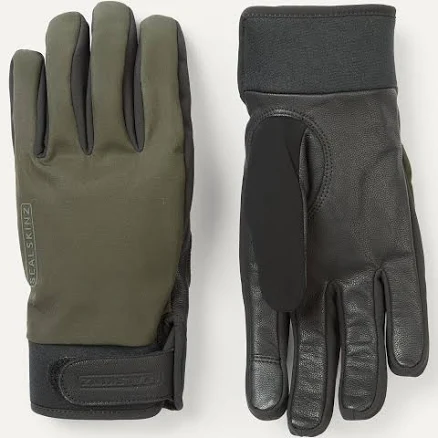
Sealskinz · Waterproof Winter Gloves
Sealskinz Men's Waterproof All Weather Insulated Gloves
High PFAS risk; waterproof gloves usually contain PFAS, no brand clarity.
These gloves are marketed as waterproof but Sealskinz provides no transparency on water-repellent coating chemistry. Waterproof apparel typically uses fluorinated water-repellent coating finishes.
The better-graded swap
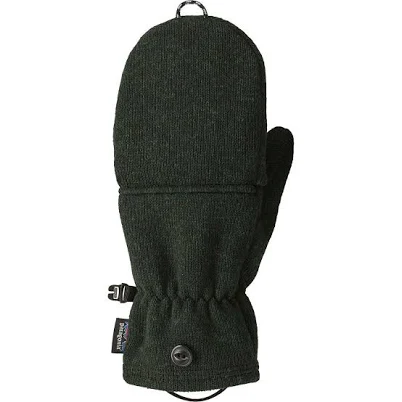
Patagonia
Better Sweater Gloves Patagonia Women's
90/100 safety
Same rubric that flunked this product. The swap earned Excellent.
Still want this one anyway? Check the price on Amazon. We’d swap it.
Material
Waterproof membrane/coating (unspecified polymer); synthetic insulation
Brand disclosure
Brand is silent on PFAS
Lab data
No public lab test
You may also be interested in
Top-graded picks in the categories readers replace first, every one scored on the same rubric.

- polypropylene filter housing, carbon/sediment cartridge
- We found no PFAS statement from the brand
- Bacterial growth in spent cartridges
3 hazards checked on this product, all on its full breakdown.

Aquasure
Premier Series 75 GPD Under Sink Reverse Osmosis Water Filtration System
- RO membrane, carbon filters, stainless steel housing
- We found no PFAS statement from the brand
- Bacterial and microbial growth in housing and filters
4 hazards checked on this product, all on its full breakdown.

Avocado
Vegan Mattress
- organic cotton, natural latex, coconut coir, recycled steel coils
- The brand calls it PFAS-free, which we have not verified
- Heavy metals
2 hazards checked on this product, all on its full breakdown.
What Sealskinz Men's Insulated Gloves is made of, ingredients and materials
Sealskinz All Weather gloves use an unspecified waterproof membrane laminated to synthetic insulation (likely polyester or acrylic blend). The membrane chemistry is opaque, which is typical for this brand and the category. Waterproof coatings on textiles are historically Teflon-type coating-based or rely on PFAS chemistry to achieve water repellency without breathability loss. Without transparency on membrane type, the PFAS risk cannot be ruled out and is standard for gloves marketed as fully waterproof.
What’s concerning
Category baseline
The starting point for this type of product, before anything specific to this product is counted.
No PFAS disclosure
No public statement from the brand about PFAS in this product.
Waterproof / stain-resistant treatment
Water-repellent coating treatments have historically used PFAS.
Teflon-type coating/synthetic polymer membrane degradation and fume release
Waterproof membranes can degrade with heat or aging. If Teflon-type coating-based (not confirmed), overheating past manufacturer limits could theoretically release fumes; risk is low during normal wear but real if gloves are exposed to high heat or damaged.
Synthetic insulation fiber shedding
Polyester or acrylic insulation can shed microfibers, especially after washing or mechanical stress. Exposure risk is low (external wear), but repeated laundering may increase shedding over time.
Contact dermatitis from undisclosed coatings or dyes
Without material transparency, sensitive skin users cannot easily identify specific irritants. Any synthetic waterproof glove carries low but real risk of irritation from residual chemicals; patch testing before extended wear is prudent for atopic individuals.
Membrane delamination and loss of waterproofing integrity
User reports on outdoor retailers note membrane peeling or separation after 1-3 years of use, particularly if gloves are washed too aggressively or stored in heat. This is durability issue rather than acute hazard, but failure to replace compromised gloves increases hand exposure to cold and wet.
What’s reassuring
Formaldehyde / VOCs
No formaldehyde warnings or dye hazard alerts are documented for Sealskinz gloves. Budget synthetic gloves sometimes carry dye residues; Sealskinz' mid-tier positioning suggests standard textile finishing but unverified by brand disclosure.
Source, ATSDR ↗How is this PFAS grade calculated?
The brand's record and disclosure
Sealskinz does not publicly disclose polymer composition, PFAS content, or commitment to PFAS phase-out on product pages or corporate sustainability statements. The brand has no known third-party certifications (bluesign, OEKO-TEX, GOTS) that would signal chemical management oversight. No recalls or safety controversies are on record for this product line. The silence on waterproof chemistry is consistent across their range and reflects minimal chemical transparency in the outdoor glove sector.
How it compares in its category
Waterproof winter gloves almost universally rely on PFAS or Teflon-type coating to function; Sealskinz is not an outlier. Competitors (North Face, Hestra, Arc'teryx) also withhold specific membrane data, though some now use fluorine-free or reduced-PFAS alternatives. Sealskinz offers better cold-weather insulation than most budget alternatives at a mid-range price point. If PFAS minimization is a priority, finding fully transparent waterproof gloves in this category is difficult.
If you buy it
Wash by hand in cool water; do not tumble dry or expose to direct heat, which can degrade the membrane and potentially release volatile components. Replace when seams leak or membrane visibly peels, typically after 2-4 seasons of regular use. Air dry flat or hung. Do not use after-market water-repellent sprays unless explicitly approved by Sealskinz, as layering coatings can interact unpredictably. Store in a cool, dry place away from direct sunlight to extend membrane life.
What is not known about PFAS in this product?
- Basis
- Model estimate, 45% confidence, not a lab result
- Lab test
- None on record for this exact product
- Brand statement
- Sealskinz has made none
Formulations change between production runs, so check the current label. How we grade.
What are the PFAS-free alternatives to Sealskinz Men's Waterproof All Weather Insulated Gloves?
- Polyester fleece (recycled)
- The brand calls it PFAS-free, which we have not verified
- Heavy metals
2 hazards checked on this product, all on its full breakdown.
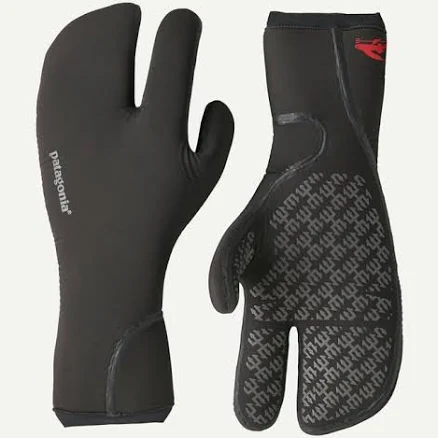
- Yulex (synthetic rubber), neoprene-free alternative
- The brand calls it PFAS-free, which we have not verified
- Allergic contact dermatitis (rubber/guayule sensitivity)
2 hazards checked on this product, all on its full breakdown.
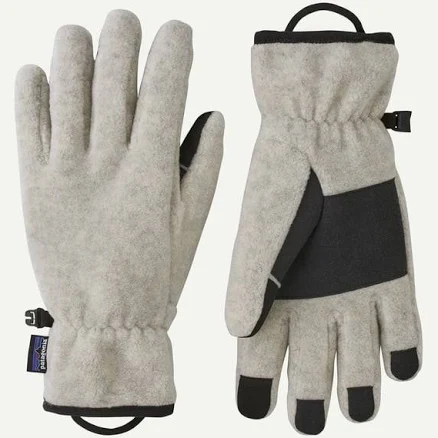
- Polyester fleece (Synchilla®); no water-repellent treatment disclosed
- The brand calls it PFAS-free, which we have not verified
- Microplastics
2 hazards checked on this product, all on its full breakdown.
More waterproof winter gloves grades
How we score, every product runs through the same public 0-100 rubric based on materials, coatings, brand disclosure, lab findings, and recalls. See the full methodology → Spotted a mistake? Report an error.