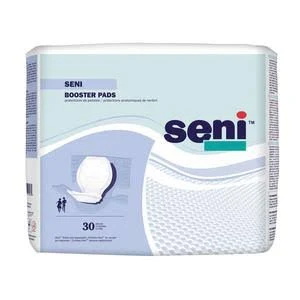
· Incontinence Pads & Protection
Booster Pad
Waterproof backing present; PFAS transparency lacking entirely.
This pad combines cellulose and plastic components with a moisture barrier. The brand remains silent on PFAS despite waterproof coatings commonly containing these chemicals.
The better-graded swap
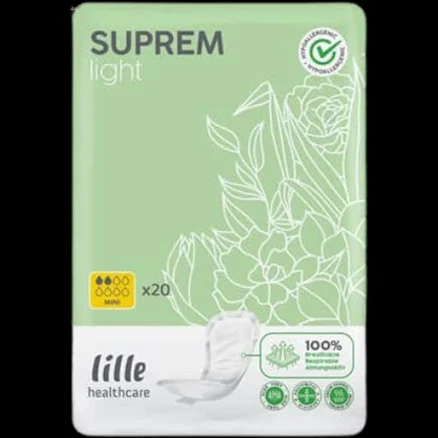
Lille
Suprem Light Mini 220ml 12 Packs Per Carton
70/100 safety
Same rubric that flunked this product. The swap earned Good.
Still want this one anyway? Check the price on Amazon. We’d swap it.
Material
Cellulose fiber core, plastic backsheet with moisture barrier
Brand disclosure
Brand is silent on PFAS
Lab data
No public lab test
You may also be interested in
Top-graded picks in the categories readers replace first, every one scored on the same rubric.

- polypropylene filter housing, carbon/sediment cartridge
- We found no PFAS statement from the brand
- Bacterial growth in spent cartridges
3 hazards checked on this product, all on its full breakdown.

Aquasure
Premier Series 75 GPD Under Sink Reverse Osmosis Water Filtration System
- RO membrane, carbon filters, stainless steel housing
- We found no PFAS statement from the brand
- Bacterial and microbial growth in housing and filters
4 hazards checked on this product, all on its full breakdown.

Avocado
Vegan Mattress
- organic cotton, natural latex, coconut coir, recycled steel coils
- The brand calls it PFAS-free, which we have not verified
- Heavy metals
2 hazards checked on this product, all on its full breakdown.
What Booster Pad is made of, ingredients and materials
Booster Pad uses a cellulose fiber core (absorbent, plant-derived) bonded to a plastic moisture-barrier backsheet. The backsheet is the concern, waterproof backing in period products often relies on polyethylene or polyurethane, and some manufacturers use PFAS-based coatings to achieve fluid repellency. The brand does not publicly disclose the backsheet chemistry, meaning PFAS presence cannot be ruled out. Cellulose itself is low-risk; the plastic layer is where chemical exposure potential concentrates.
What’s concerning
Category baseline
The starting point for this type of product, before anything specific to this product is counted.
No PFAS disclosure
No public statement from the brand about PFAS in this product.
Waterproof / stain-resistant treatment
Water-repellent coating treatments have historically used PFAS.
PFAS
Plastic moisture barrier in period pads commonly uses PFAS; The brand does not disclose backsheet composition. Risk is dermal exposure and potential bioaccumulation with repeated use, especially if pads remain in contact with skin for extended periods.
Source, ATSDR ↗Skin contact dermatitis from adhesives and plastic additives
Undisclosed plasticizers or tackifiers in the backsheet and adhesive may trigger contact sensitization in susceptible users. No specific incidents on record for Booster, but generic risk for all pads with synthetic adhesive layers.
What’s reassuring
Formaldehyde / VOCs
Cellulose cores are sometimes bonded with resin adhesives that release trace formaldehyde. No reports of this in Booster specifically; cellulose in period products is generally low-formaldehyde risk compared to textiles, but not zero.
Source, ATSDR ↗Microplastic shedding from plastic backsheet
Thin plastic films in pads may degrade and shed microparticles during use or landfill disposal. No studies specifically on Booster; risk is theoretical but worth noting given pad contact with mucous membranes and disposal pathway.
Heavy metals
Booster materials are minimally dyed (mostly white/neutral). No credible evidence of heavy metal contamination in this product line, making risk low relative to more heavily pigmented cosmetics or textiles.
Source, FDA ↗How is this PFAS grade calculated?
The brand's record and disclosure
The brand is a European (Swedish) brand owned by Essity, a major hygiene-products manufacturer. No public scandals or product recalls for Booster Pads are on record. However, the brand's official materials do not specify PFAS content or declare PFAS-free status, which is unusual given industry scrutiny of period products since 2021. The brand has not published toxicology or material transparency reports specifically for this line. This silence on a known hazard category is a weak point.
How it compares in its category
Period pads divide roughly into PFAS-disclosed, PFAS-free certified, and silent. Falls in the silent category alongside many legacy brands. Competitors like Rael and Cora explicitly avoid PFAS; others like Kotex remain undisclosed. Booster is positioned as an incontinence/postpartum pad, not marketed as a premium eco product, so it does not carry the same certification pressure as mainstream menstrual lines. Price and absorbency are competitive; transparency is below category leaders.
If you buy it
Use as intended for short-term postpartum or incontinence support; no heat exposure risk (not meant to be washed or heated). Change pads regularly to avoid moisture buildup and skin irritation. If you have sensitive skin, test on a small area first because undisclosed adhesives and plastics may cause contact dermatitis in some users. Monitor skin for rash; discontinue if irritation develops. Consider requesting PFAS-free certification from if you plan repeat purchase.
What is not known about PFAS in this product?
- Basis
- Model estimate, 45% confidence, not a lab result
- Lab test
- None on record for this exact product
- Brand statement
- has made none
Formulations change between production runs, so check the current label. How we grade.
What are the PFAS-free alternatives to Booster Pad?
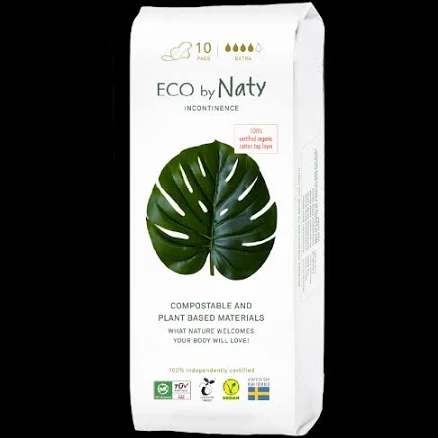
- Bamboo-derived viscose, cotton, plant-based absorbent core
- We found no PFAS statement from the brand
- Heavy metals
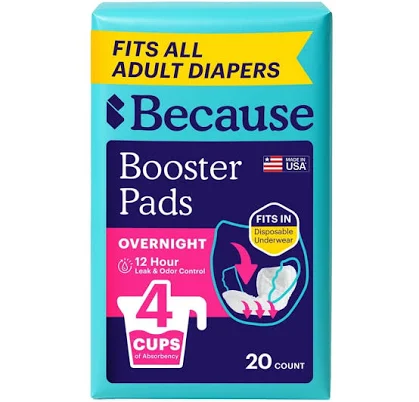
- Cellulose, superabsorbent polymer, cotton blend
- We found no PFAS statement from the brand
- Absorbent material degradation and bacterial growth
2 hazards checked on this product, all on its full breakdown.
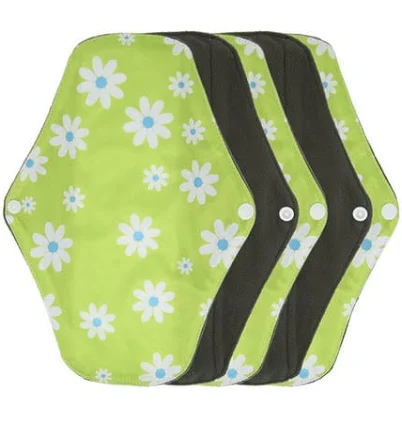
5pcs Bamboo Charcoal Washable Incontinence Pads
- bamboo charcoal textile, washable cotton-blend absorbent layer
- We found no PFAS statement from the brand
- Azo dyes and synthetic colorants
4 hazards checked on this product, all on its full breakdown.
More incontinence pads & protection grades
How we score, every product runs through the same public 0-100 rubric based on materials, coatings, brand disclosure, lab findings, and recalls. See the full methodology → Spotted a mistake? Report an error.