Seni · Incontinence Pads & Protection
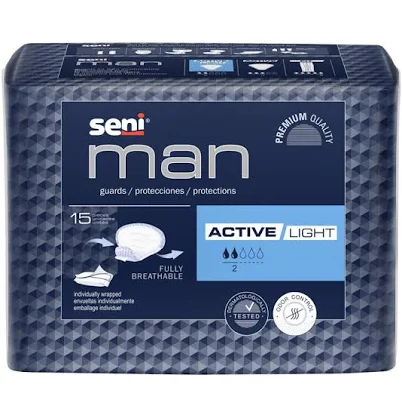
Seni Man Active Light Guards
Incontinence pad waterproof backing suggests PFAS risk, no disclosure available.
Seni Man guards contain waterproof backing typical of adult incontinence products, which often use PFAS-based water-repellent treatments. No public PFAS disclosures or testing data are available from the brand.
The better-graded swap
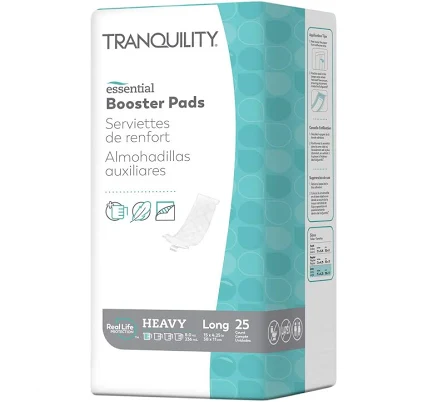
Tranquility
Tranquility Essential Booster Pads Heavy Absorbency, Long - 4-1/4 x 15 Inch (Case of 200)
70/100 safety
Same rubric that flunked this product. The swap earned Good.
Still want this one anyway? Check the price on Amazon. We’d swap it.
Material
absorbent core with waterproof backing layer
Brand disclosure
Brand is silent on PFAS
Lab data
No public lab test
You may also be interested in
Top-graded picks in the categories readers replace first, every one scored on the same rubric.

- polypropylene filter housing, carbon/sediment cartridge
- We found no PFAS statement from the brand
- Bacterial growth in spent cartridges
3 hazards checked on this product, all on its full breakdown.

Aquasure
Premier Series 75 GPD Under Sink Reverse Osmosis Water Filtration System
- RO membrane, carbon filters, stainless steel housing
- We found no PFAS statement from the brand
- Bacterial and microbial growth in housing and filters
4 hazards checked on this product, all on its full breakdown.

Avocado
Vegan Mattress
- organic cotton, natural latex, coconut coir, recycled steel coils
- The brand calls it PFAS-free, which we have not verified
- Heavy metals
2 hazards checked on this product, all on its full breakdown.
What Seni Man Active Light Guards is made of, ingredients and materials
Seni Man Active Light Guards use a multi-layer construction typical of incontinence pads, an absorbent core (usually superabsorbent polymer and cellulose), a moisture-wicking top layer, and a waterproof backing layer. The backing layer is the primary concern, as waterproofing in incontinence products is commonly achieved with fluorochemical compounds (PFAS) or polyethylene/polyurethane films. Seni has not publicly disclosed which waterproofing method this product uses, leaving the PFAS content unverified. The absorbent core materials are generally recognized as low concern when used as designed, but degradation or wear can alter leaching profiles.
What’s concerning
Category baseline
The starting point for this type of product, before anything specific to this product is counted.
No PFAS disclosure
No public statement from the brand about PFAS in this product.
Waterproof / stain-resistant treatment
Water-repellent coating treatments have historically used PFAS.
PFAS
Waterproof backing in incontinence pads frequently uses fluorochemicals; Seni has not disclosed the waterproofing method for this product, making PFAS presence unconfirmed but plausible given industry norms. Dermal exposure during use is the primary route; systemic absorption from skin contact is expected to be minimal but not zero.
Source, ATSDR ↗Brand transparency and regulatory gaps
Seni does not provide public PFAS or chemical disclosure statements, which is a gap in consumer confidence even if no direct hazard is confirmed. EU regulations (REACH, Ecolabel) apply to the manufacturer, but end-consumer access to safety data sheets for incontinence products remains limited across the industry.
What’s reassuring
Skin irritation and sensitization
No documented widespread allergic reactions or contact dermatitis linked to this specific product line. Individual sensitivity to absorbent polymers or top-layer materials is possible but rare and typically product-specific. Risk is managed by regular pad changes and skin hygiene.
Absorbent polymer leaching
Superabsorbent polymers (SAPs) used in the core are chemically crosslinked and designed not to migrate into bodily fluids under normal use conditions. No documented cases of SAP ingestion or systemic toxicity from incontinence pad use are on public record. Concern is theoretical rather than established.
Microplastic or particle release
Modern incontinence pads are engineered to minimize fiber and particle shedding. No recalls or complaints specific to visible particle release from Seni Man guards are documented. Degradation over time in storage or use could theoretically increase shedding, but this is not a known issue for this product.
How is this PFAS grade calculated?
The brand's record and disclosure
Seni (Paul Hartmann AG, Germany) is an established European incontinence-care manufacturer but has not published detailed chemical disclosures or PFAS commitment statements comparable to leading competitors. No major product recalls or safety violations specific to this product line are documented in public safety databases. The brand does not appear on lists of companies that have voluntarily phased out PFAS in incontinence products, which is a notable gap in transparency given industry trends toward fluorine-free alternatives.
How it compares in its category
Light-absorbency incontinence guards sit in a moderate-use segment where PFAS risk exposure is real but shorter-term than heavy-duty pads worn all day. Competitors range from PFAS-transparent brands (e.g., some Depend variants with disclosed polyurethane) to silent manufacturers. Seni's lack of disclosure puts it in a middle-risk category, not worst-in-class, but without the assurance of brands that have committed to PFAS elimination or full ingredient transparency. Price and absorbency performance are broadly competitive.
If you buy it
Use the product as directed and replace pads regularly (do not extend wear to reduce cost, as extended skin contact raises dermal irritation risk regardless of PFAS). Store in cool, dry conditions away from heat sources; incontinence pads are not designed for microwave or oven exposure and degradation can increase leachate. Discontinue use if skin develops persistent rash or irritation and consult a healthcare provider, as this may indicate either material sensitivity or inadequate pad maintenance. If PFAS exposure is a personal health concern, contact the manufacturer directly requesting waterproof-layer composition before purchase.
What is not known about PFAS in this product?
- Basis
- Model estimate, 35% confidence, not a lab result
- Lab test
- None on record for this exact product
- Brand statement
- Seni has made none
Formulations change between production runs, so check the current label. How we grade.
What are the PFAS-free alternatives to Seni Man Active Light Guards?
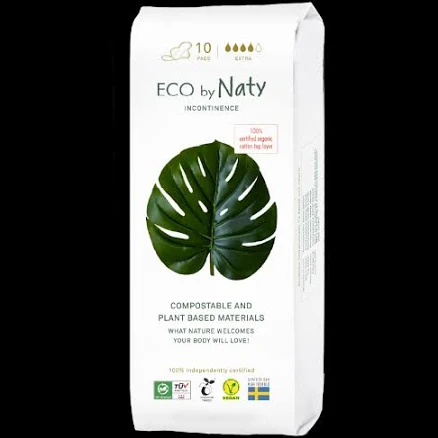
- Bamboo-derived viscose, cotton, plant-based absorbent core
- We found no PFAS statement from the brand
- Heavy metals
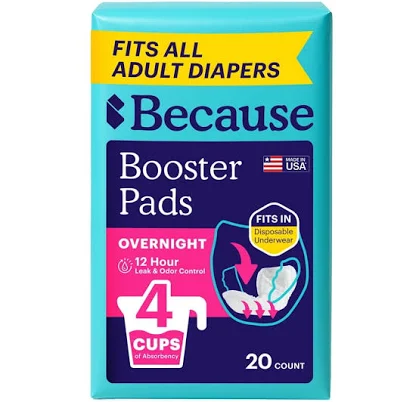
- Cellulose, superabsorbent polymer, cotton blend
- We found no PFAS statement from the brand
- Absorbent material degradation and bacterial growth
2 hazards checked on this product, all on its full breakdown.
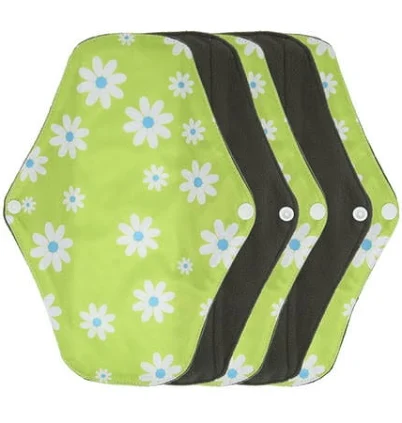
5pcs Bamboo Charcoal Washable Incontinence Pads
- bamboo charcoal textile, washable cotton-blend absorbent layer
- We found no PFAS statement from the brand
- Azo dyes and synthetic colorants
4 hazards checked on this product, all on its full breakdown.
More incontinence pads & protection grades
How we score, every product runs through the same public 0-100 rubric based on materials, coatings, brand disclosure, lab findings, and recalls. See the full methodology → Spotted a mistake? Report an error.