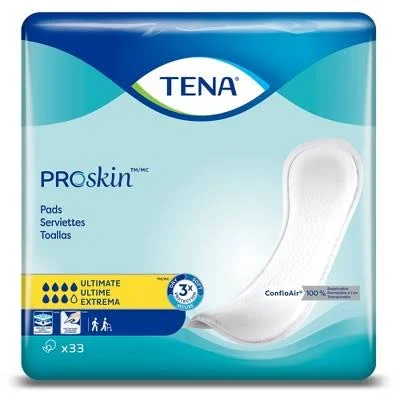
Tena · Incontinence Pads & Protection
TENA ProSkin Ultimate Bladder Control Pad
Waterproof incontinence pad. PFAS status unknown, no brand disclosure.
Incontinence pads need waterproof backing, which often uses PFAS. Tena provides no information on PFAS status or certifications, and no independent lab data is available.
The better-graded swap
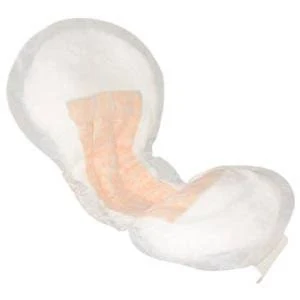
Tranquility
Tranquility Personal Care Pads 13.5" x 6.5", 96/Case
70/100 safety
Same rubric that flunked this product. The swap earned Good.
Still want this one anyway? Check the price on Amazon. We’d swap it.
Material
Cellulose-based absorbent core, polyester, waterproof backing
Brand disclosure
Brand is silent on PFAS
Lab data
No public lab test
What TENA ProSkin Ultimate Bladder Control Pad is made of, ingredients and materials
TENA ProSkin Ultimate uses a cellulose-based absorbent core (standard for incontinence pads), polyester layers, and a waterproof backing. The waterproof layer's chemistry is not publicly disclosed by Tena, which is the primary concern, waterproof coatings on incontinence and period products frequently use PFAS compounds or other synthetic polymers to block liquid while allowing air passage. Cellulose itself is low-risk; polyester is chemically stable and not a primary hazard in this application, but the backing material remains opaque.
What’s concerning
Category baseline
The starting point for this type of product, before anything specific to this product is counted.
No PFAS disclosure
No public statement from the brand about PFAS in this product.
Waterproof / stain-resistant treatment
Water-repellent coating treatments have historically used PFAS.
PFAS
Waterproof backing composition is undisclosed. PFAS is a common choice for this function in incontinence pads; absence of public PFAS-free certification suggests unknown status rather than confirmed safety.
Source, ATSDR ↗Skin irritation from synthetic backing or degradation byproducts
Incontinence pads in general carry low but documented risk of contact dermatitis, particularly with prolonged wear or in warm, moist conditions. Polyester and unknown backing coatings can contribute to this. Individual sensitivity varies widely.
Microplastics
Polyester and plastic coatings can shed microparticles over the product's lifespan, especially if repeatedly compressed, heated, or stored poorly. Exposure is localized to skin contact; systemic risk is not established but microplastic shedding is not actively monitored in this category.
Source, EPA ↗What’s reassuring
Absorbent gel (acrylic polymer) leachate exposure
If this product uses superabsorbent polymer (SAP) beads in the core, these are sealed by cellulose and polyester layers; migration to skin is documented as negligible under normal use, but individual sensitivity to residual monomer is theoretically possible.
Formaldehyde / VOCs
Tena does not disclose adhesive chemistry. Modern incontinence pad adhesives rarely contain free formaldehyde, but some cheaper products still use formaldehyde-releasing resins; no known recalls or complaints specific to Tena suggest this is controlled, but transparency is absent.
Source, ATSDR ↗The full breakdown
The brand's record and disclosure
Tena (owned by SCA, a Swedish hygiene company) has not publicly committed to PFAS disclosure or elimination in incontinence products, despite growing scrutiny of waterproof feminine and medical absorbents. The brand has not published material safety data sheets or third-party testing for PFAS content in this specific product line. Competitors like Seventh Generation and some European brands have begun voluntary PFAS labeling or substitution; Tena's silence suggests no current priority on this issue.
How it compares in its category
Most incontinence pads in the mass market use similar cellulose-polyester-waterproof backing construction. Tena is a market leader and generally regarded as reliable for absorbency and comfort. However, it lacks the transparency of some premium or eco-focused alternatives (e.g., products certified PFAS-free or using stated non-fluorine coatings). If PFAS exposure is a priority, this product offers no reassurance relative to generic store brands.
If you buy it
Change pads regularly (do not rewear or extend use beyond saturation) to minimize prolonged skin contact with the waterproof backing. Do not heat, microwave, or incinerate used pads. Store in a cool, dry place away from direct sunlight to prevent polymer degradation. If you experience unexplained skin irritation or sensitivity, switch to a PFAS-free alternative or one with disclosed synthetic backing materials. Consider asking Tena directly for waterproof layer composition before committing to bulk purchase.
What we don’t know
- Basis
- Model estimate, 45% confidence, not a lab result
- Lab test
- None on record for this exact product
- Brand statement
- Tena has made none
Formulations change between production runs, so check the current label. How we grade.
Better-graded alternatives in Incontinence Pads & Protection
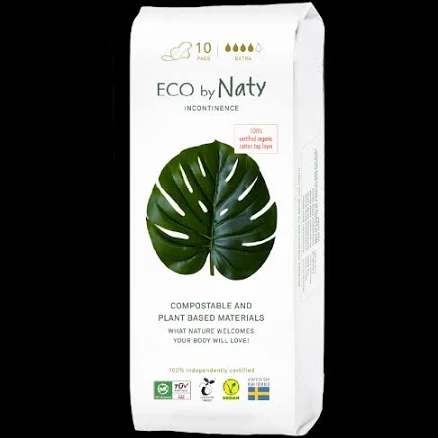
Eco By Naty
Incontinence Pads
- Bamboo-derived viscose, cotton, plant-based absorbent core
- We found no PFAS statement from the brand
- Heavy metals
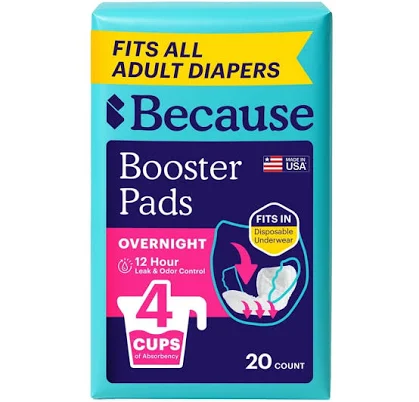
Because Market
Because Booster Pads
- Cellulose, superabsorbent polymer, cotton blend
- We found no PFAS statement from the brand
- Absorbent material degradation and bacterial growth
2 hazards checked on this product. See all of them.
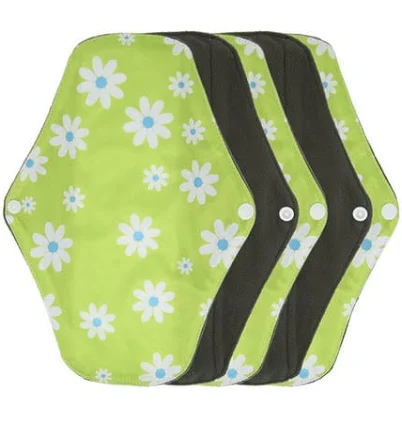
5pcs Bamboo Charcoal Washable Incontinence Pads
- bamboo charcoal textile, washable cotton-blend absorbent layer
- We found no PFAS statement from the brand
- Azo dyes and synthetic colorants
4 hazards checked on this product. See all of them.
More incontinence pads & protection grades
How we score, every product runs through the same public 0-100 rubric based on materials, coatings, brand disclosure, lab findings, and recalls. See the full methodology → Spotted a mistake? Report an error.