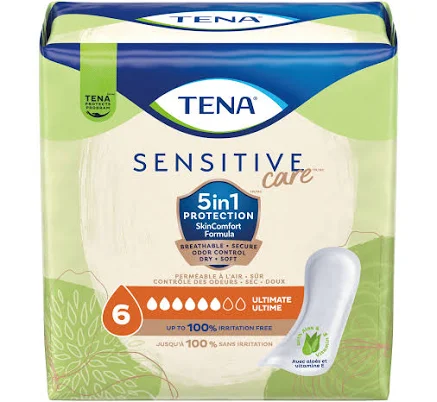
Tena · Incontinence Pads & Protection
TENA Women's Ultimate Pads
High risk; skip until Tena discloses coating chemistry, waterproof pads commonly use PFAS-based water-repellent coating.
These pads use a waterproof backing layer but provide no public disclosure of the coating chemistry. Waterproofing frequently relies on PFAS treatments, though alternatives exist.
The better-graded swap
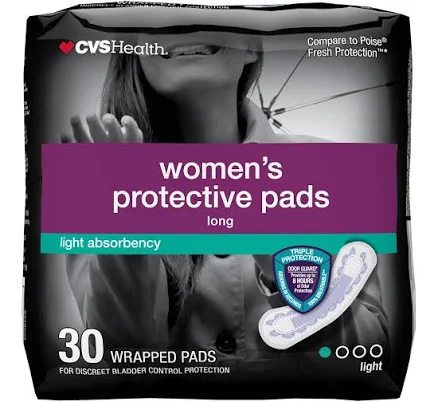
CVS Health
CVS Women's Protective Pads Moderate Absorbency
70/100 safety
Same rubric that flunked this product. The swap earned Good.
Still want this one anyway? Check the price on Amazon. We’d swap it.
Material
Cellulose/nonwoven blend with unspecified waterproof coating
Brand disclosure
Brand is silent on PFAS
Lab data
No public lab test
You may also be interested in
Top-graded picks in the categories readers replace first, every one scored on the same rubric.

- polypropylene filter housing, carbon/sediment cartridge
- We found no PFAS statement from the brand
- Bacterial growth in spent cartridges
3 hazards checked on this product, all on its full breakdown.

Aquasure
Premier Series 75 GPD Under Sink Reverse Osmosis Water Filtration System
- RO membrane, carbon filters, stainless steel housing
- We found no PFAS statement from the brand
- Bacterial and microbial growth in housing and filters
4 hazards checked on this product, all on its full breakdown.

Avocado
Vegan Mattress
- organic cotton, natural latex, coconut coir, recycled steel coils
- The brand calls it PFAS-free, which we have not verified
- Heavy metals
2 hazards checked on this product, all on its full breakdown.
What TENA Women's Ultimate Pads is made of, ingredients and materials
TENA Ultimate Pads use a cellulose-nonwoven blend core designed for absorbency, with an unspecified waterproof backing layer (the typical source of PFAS in incontinence products). The cellulose itself is a low-hazard natural material, but the coating chemistry remains proprietary. Without disclosure of the waterproof agent (fluorochemical, polyurethane, or other), the safety profile cannot be fully assessed. This opacity is the primary safety concern.
What’s concerning
Category baseline
The starting point for this type of product, before anything specific to this product is counted.
No PFAS disclosure
No public statement from the brand about PFAS in this product.
Waterproof / stain-resistant treatment
Water-repellent coating treatments have historically used PFAS.
PFAS
The waterproof backing layer in incontinence pads typically relies on fluorochemical-based durable water repellents or legacy PFAS; Tena's silence on this is consistent with industry practice but raises high concern for PFOA/PFOS or replacement PFAS.
Source, ATSDR ↗Skin irritation from coating degradation or contact
Over time or with heat, unknown waterproof coatings can degrade and release irritant compounds; direct prolonged skin contact with any unidentified polymer backing increases risk in sensitive individuals or with incontinence-associated dermatitis already present.
Microplastics
The nonwoven synthetic fiber layer may shed microparticles if mechanically damaged or during disposal; this is not unique to Tena but is an inherent property of petroleum-based absorbent hygiene products.
Source, EPA ↗Bacterial contamination or mold growth if stored improperly
Cellulose-based absorbent materials can harbor bacterial or fungal growth if exposed to moisture or high humidity before use; this is a storage/handling risk rather than a manufacturing defect, but relevant to proper use conditions.
What’s reassuring
Formaldehyde / VOCs
No recalls or reports document formaldehyde-releasing finishes in TENA Ultimate Pads; cellulose and nonwoven textiles can be treated with formaldehyde resins for antimicrobial or stiffening effects, but Tena does not appear to market this product with such claims.
Source, ATSDR ↗How is this PFAS grade calculated?
The brand's record and disclosure
Tena, owned by SCA (Essity), has not publicly committed to PFAS phase-out or disclosed waterproof coating chemistry for this product line as of available records. The brand has faced pressure on sustainability but maintains silence on specific PFAS "forever chemicals" used in absorbent hygiene products. No major product recalls specific to this pad have been documented, but lack of transparency on PFAS is a known industry-wide pattern that Tena has not broken.
How it compares in its category
Most incontinence pads (Depend, Always Discreet, Poise) use similar cellulose-nonwoven cores with proprietary waterproof backings; few brands disclose coating composition publicly. Products explicitly marketed as PFAS-free or using polyurethane-based waterproofing exist (e.g., some European medical-grade alternatives), but are less available in mass retail. Tena's position is typical for mainstream brands, meaning the PFAS concern is category-wide but not uniquely worse here.
If you buy it
Change pads regularly (per manufacturer guidance, typically every 2-4 hours) to minimize skin contact with any leached compounds and reduce odor/bacterial growth. Store in a cool, dry place away from direct sunlight to prevent accelerated degradation of the coating. Do not wash and reuse; these are single-use products. If you have sensitive skin or concerns about chemical exposure, request PFAS disclosure from Tena directly, or consider switching to a brand with transparent waterproof material chemistry.
What is not known about PFAS in this product?
- Basis
- Model estimate, 35% confidence, not a lab result
- Lab test
- None on record for this exact product
- Brand statement
- Tena has made none
Formulations change between production runs, so check the current label. How we grade.
What are the PFAS-free alternatives to TENA Women's Ultimate Pads?
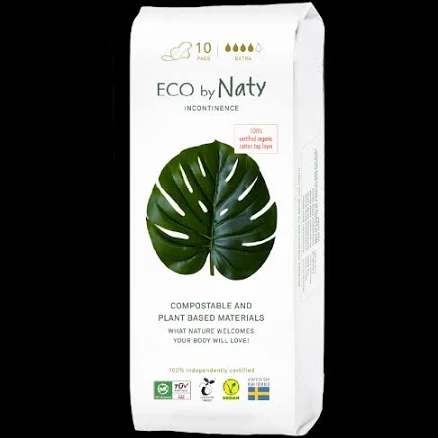
- Bamboo-derived viscose, cotton, plant-based absorbent core
- We found no PFAS statement from the brand
- Heavy metals
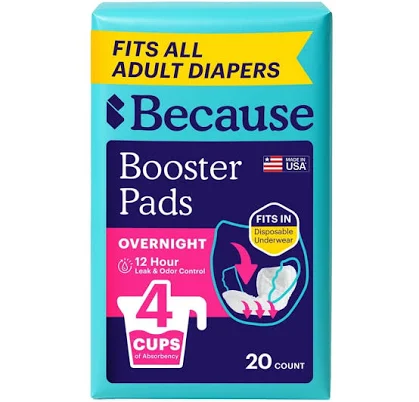
- Cellulose, superabsorbent polymer, cotton blend
- We found no PFAS statement from the brand
- Absorbent material degradation and bacterial growth
2 hazards checked on this product, all on its full breakdown.
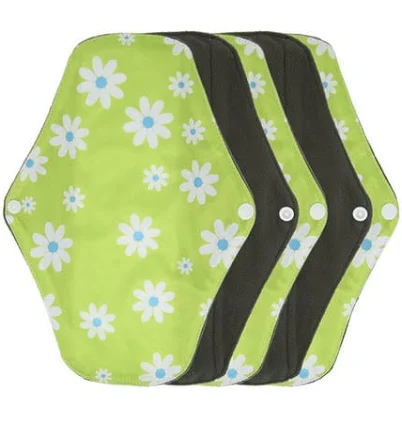
5pcs Bamboo Charcoal Washable Incontinence Pads
- bamboo charcoal textile, washable cotton-blend absorbent layer
- We found no PFAS statement from the brand
- Azo dyes and synthetic colorants
4 hazards checked on this product, all on its full breakdown.
More incontinence pads & protection grades
How we score, every product runs through the same public 0-100 rubric based on materials, coatings, brand disclosure, lab findings, and recalls. See the full methodology → Spotted a mistake? Report an error.