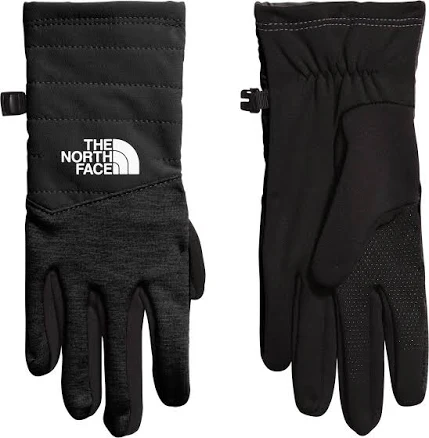
The North Face · Waterproof Winter Gloves
The North Face Women's Etip Indi Gloves
Moderate PFAS risk from waterproofing; The North Face has not disclosed coating chemistry.
The North Face Etip Indi Gloves use water-repellent coating-treated nylon for water resistance, historically linked to PFAS finishes. The brand does not publicly reveal whether treatment uses PFAS or PFAS-free options. No independent lab testing is publicly available.
The better-graded swap
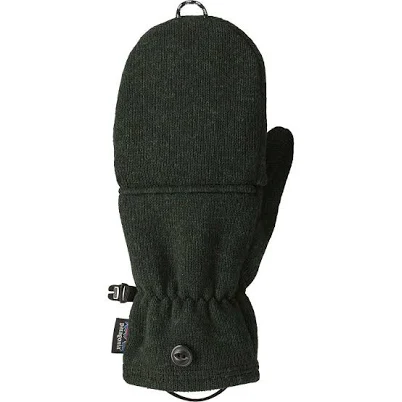
Patagonia
Better Sweater Gloves Patagonia Women's
90/100 safety
Same rubric that flunked this product. The swap earned Excellent.
Still want this one anyway? Check the price on Amazon. We’d swap it.
Material
Nylon with water-repellent coating (water-repellent coating) coating
Lab data
No public lab test
You may also be interested in
Top-graded picks in the categories readers replace first, every one scored on the same rubric.

- polypropylene filter housing, carbon/sediment cartridge
- We found no PFAS statement from the brand
- Bacterial growth in spent cartridges
3 hazards checked on this product, all on its full breakdown.

Aquasure
Premier Series 75 GPD Under Sink Reverse Osmosis Water Filtration System
- RO membrane, carbon filters, stainless steel housing
- We found no PFAS statement from the brand
- Bacterial and microbial growth in housing and filters
4 hazards checked on this product, all on its full breakdown.

Avocado
Vegan Mattress
- organic cotton, natural latex, coconut coir, recycled steel coils
- The brand calls it PFAS-free, which we have not verified
- Heavy metals
2 hazards checked on this product, all on its full breakdown.
What The North Face Women's Etip Indi Gloves is made of, ingredients and materials
The Etip Indi Gloves are constructed from nylon with a water-repellent coating (water-repellent coating) coating applied to the shell. water-repellent coating treatments historically relied on long-chain PFAS compounds (PFOA, PFOS) but the industry has partially shifted to shorter-chain alternatives, which remain persistent in the environment and bioaccumulative. The North Face has not disclosed whether this glove uses legacy PFAS, newer PFAS, or truly PFAS-free chemistry. Nylon itself is chemically stable and does not leach hazardous compounds under normal wear conditions.
What’s concerning
Category baseline
The starting point for this type of product, before anything specific to this product is counted.
No PFAS disclosure
No public statement from the brand about PFAS in this product.
Waterproof / stain-resistant treatment
Water-repellent coating treatments have historically used PFAS.
PFAS
While nylon does not inherently leach, the water-repellent coating finish chemistry is undisclosed. If older PFAS formulations are used, dermal contact during wet conditions and subsequent hand washing could introduce trace PFAS into skin and wastewater; newer short-chain PFAS carry similar persistence concerns.
Source, ATSDR ↗Microplastics
Nylon gloves shed microfibers during repeated washing and abrasion; this is inherent to synthetic textiles and not specific to this brand, but contributes to cumulative microplastic load in wastewater.
Source, EPA ↗What’s reassuring
Azo dyes and colorfast agents in nylon fabric
No specific recalls or warnings for The North Face gloves exist. Nylon is typically low-risk for azo dye migration, but black or dark-colored gloves require azo-free dyes in responsible manufacturing; The North Face does not publish dye restrictions or third-party testing.
Formaldehyde / VOCs
No formaldehyde-based finishing agents are commonly documented in nylon winter gloves or The North Face products. Standard nylon does not require formaldehyde curing, but the water-repellent coating process chemistry is undisclosed.
Source, ATSDR ↗How is this PFAS grade calculated?
The brand's record and disclosure
The North Face (owned by VF Corporation) has not made public commitments to eliminate PFAS from apparel or disclosed coating chemistry for individual products. VF Corporation signed the ZDHC Gateway commitment (2020) pledging phase-out of legacy PFAS by 2025, but enforcement and product-level transparency remain limited. The North Face does not provide third-party testing results or material safety data sheets for consumer products. No formal recalls or safety violations specific to this glove line have been reported in public records.
How it compares in its category
Winter glove water-repellent coating treatments are nearly universal in the outdoor category; avoiding them entirely means accepting reduced water resistance. Some competitors (Patagonia, Arc'teryx) have begun disclosing or transitioning to fluorine-free water repellents, though availability is limited. The Etip Indi sits in the mainstream performance segment where alternatives with lower PFAS concern exist but are less common and often more expensive. This glove is not an outlier in its use of water-repellent coating but represents the industry standard of non-transparent coating chemistry.
If you buy it
Wash gloves separately by hand in cool water and mild detergent to minimize any potential leaching of coating chemicals into wastewater; avoid dry cleaning. water-repellent coating coatings degrade after 30-50 washes; do not attempt to restore with spray-on PFAS treatments (replace coating or glove instead). Store in a breathable bag to prevent mold and off-gassing in sealed plastic. If PFAS exposure is a personal concern, request The North Face technical support to confirm the exact water-repellent coating chemistry before purchase or consider purchasing from brands with published PFAS-free certifications.
What is not known about PFAS in this product?
- Basis
- Model estimate, 55% confidence, not a lab result
- Lab test
- None on record for this exact product
- Brand statement
- The North Face has made a specific claim
Formulations change between production runs, so check the current label. How we grade.
What are the PFAS-free alternatives to The North Face Women's Etip Indi Gloves?
- Polyester fleece (recycled)
- The brand calls it PFAS-free, which we have not verified
- Heavy metals
2 hazards checked on this product, all on its full breakdown.
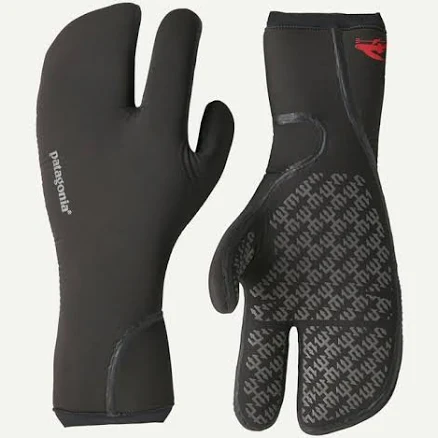
- Yulex (synthetic rubber), neoprene-free alternative
- The brand calls it PFAS-free, which we have not verified
- Allergic contact dermatitis (rubber/guayule sensitivity)
2 hazards checked on this product, all on its full breakdown.
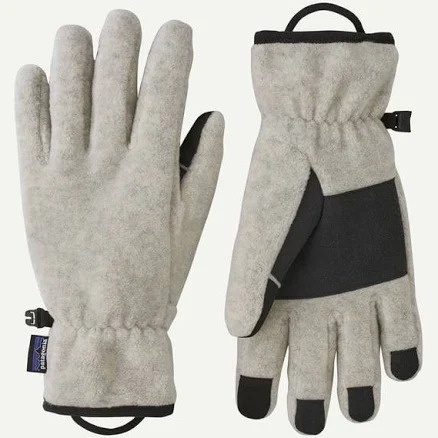
- Polyester fleece (Synchilla®); no water-repellent treatment disclosed
- The brand calls it PFAS-free, which we have not verified
- Microplastics
2 hazards checked on this product, all on its full breakdown.
More waterproof winter gloves grades
How we score, every product runs through the same public 0-100 rubric based on materials, coatings, brand disclosure, lab findings, and recalls. See the full methodology → Spotted a mistake? Report an error.