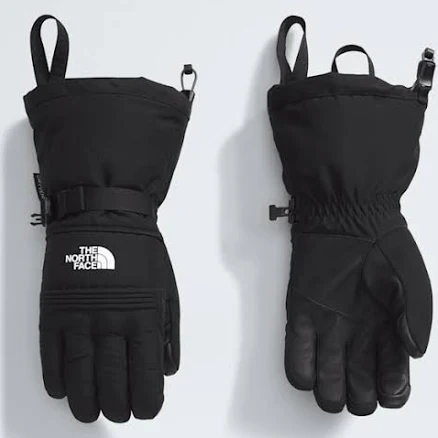
The North Face · Waterproof Winter Gloves
The North Face Women's Montana Ski Glove
Wait for North Face to disclose water-repellent coating chemistry; ski gloves typically use PFAS-based waterproofing.
The North Face does not publicly reveal whether Montana Ski Gloves use PFAS-based water-repellent coating treatment. Ski gloves routinely use fluorinated coatings for waterproofing. Without brand transparency or testing, assume elevated PFAS risk typical of winter sportswear.
The better-graded swap
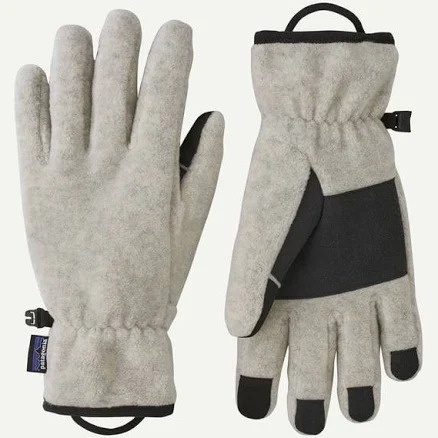
Patagonia
Patagonia Synchilla Gloves
90/100 safety
Same rubric that flunked this product. The swap earned Excellent.
Still want this one anyway? Check the price on Amazon. We’d swap it.
Material
Nylon/polyester shell with waterproofing treatment
Lab data
No public lab test
You may also be interested in
Top-graded picks in the categories readers replace first, every one scored on the same rubric.

- polypropylene filter housing, carbon/sediment cartridge
- We found no PFAS statement from the brand
- Bacterial growth in spent cartridges
3 hazards checked on this product, all on its full breakdown.

Aquasure
Premier Series 75 GPD Under Sink Reverse Osmosis Water Filtration System
- RO membrane, carbon filters, stainless steel housing
- We found no PFAS statement from the brand
- Bacterial and microbial growth in housing and filters
4 hazards checked on this product, all on its full breakdown.

Avocado
Vegan Mattress
- organic cotton, natural latex, coconut coir, recycled steel coils
- The brand calls it PFAS-free, which we have not verified
- Heavy metals
2 hazards checked on this product, all on its full breakdown.
What The North Face Women's Montana Ski Glove is made of, ingredients and materials
The Montana Ski Glove uses a nylon/polyester shell with a water-repellent coating (water-repellent coating) finish, a factory coating applied to resist moisture. water-repellent coating treatments on ski gloves are almost always fluorochemical-based (PFAS class), though North Face does not publicly specify which chemistry they use. The shell itself (nylon and polyester) carries minimal inherent toxicity risk, but the water-repellent coating application is the primary environmental and health concern. Insulation type (likely synthetic fiber or down blend) is not a significant safety issue for most wearers.
What’s concerning
Category baseline
The starting point for this type of product, before anything specific to this product is counted.
No PFAS disclosure
No public statement from the brand about PFAS in this product.
Waterproof / stain-resistant treatment
Water-repellent coating treatments have historically used PFAS.
PFAS
Fluorinated water-repellent coating is standard for ski gloves; North Face does not disclose chemistry. Wear and washing can release PFAS into wastewater and potentially into skin via moisture contact, though risk is lower than with cookware or food contact surfaces.
Source, ATSDR ↗Microplastics
Nylon and polyester shells shed microfibers during washing; this is a known environmental concern for all synthetic textiles. Wear triggers more shedding than chemical exposure. Use a wash bag or filter, or hand wash to minimize fiber loss.
Source, EPA ↗What’s reassuring
Formaldehyde / VOCs
No recalls or reports of excess formaldehyde in North Face Montana Ski Gloves. Standard nylon/polyester shells do not typically use formaldehyde-based dyes or binders, but cheap synthetic insulation liners can occasionally contain formaldehyde resin binders; this product line has not shown evidence of this issue.
Source, ATSDR ↗Azo dyes
North Face uses established dye suppliers and follows REACH restrictions in EU markets, which ban many azo dyes. No contamination reports on record for this model. Risk is low for a branded ski glove at this price point.
Antimony in polyester
Antimony trioxide is a polyester catalyst and can leach under high heat or acidic conditions. Ski gloves are worn against skin in cold/dry conditions, not heated or washed in acidic environments; leaching risk is negligible.
How is this PFAS grade calculated?
The brand's record and disclosure
The North Face has not made public commitments to PFAS-free or fluorine-free water-repellent coating alternatives across their apparel lines, despite growing industry movement toward non-fluorinated options (brands like Patagonia and Arc'teryx have begun transitions). The company does not disclose water-repellent coating chemistry on product labels or websites for most gloves. No major recalls or textile contamination incidents specific to this model are on record. Without transparency, you cannot verify whether this glove uses legacy PFAS (PFOA/PFOS), newer fluorochemicals (GenX, PFBA), or alternative chemistry.
How it compares in its category
Most ski gloves in this price range use fluorinated water-repellent coating; PFAS exposure risk is category-wide, not unique to North Face. Some competitors (e.g., Helly Hansen, some Salomon models) have begun testing fluorine-free water-repellent coating coatings, though availability and performance durability are still being proven in cold environments. North Face's Montana sits in the mid-premium segment; comparable gloves from Patagonia or Black Diamond offer either PFAS-free or transparent water-repellent coating labeling. The functional difference (warmth, grip, fit) between brands in this tier is negligible; choice largely hinges on water-repellent coating chemistry tolerance and brand ethics.
If you buy it
Wash gloves in cool water with mild detergent after heavy use to reduce any residual water-repellent coating reapplication need. Do NOT machine dry or expose to high heat, as this does not break down fluorochemicals but can damage the shell and insulation. Reapply water-repellent coating spray only if beading visibly fails (typically after 10-15 wash cycles); when you do, use a fluorine-free water-repellent coating spray to limit cumulative PFAS exposure. Replace gloves if the shell tears or seams fail, as moisture ingress negates the water-repellent coating benefit and forces more frequent washing.
What is not known about PFAS in this product?
- Basis
- Model estimate, 45% confidence, not a lab result
- Lab test
- None on record for this exact product
- Brand statement
- The North Face has made a specific claim
Formulations change between production runs, so check the current label. How we grade.
What are the PFAS-free alternatives to The North Face Women's Montana Ski Glove?
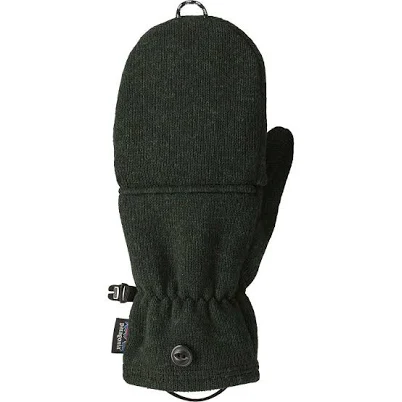
- Polyester fleece (recycled)
- The brand calls it PFAS-free, which we have not verified
- Heavy metals
2 hazards checked on this product, all on its full breakdown.
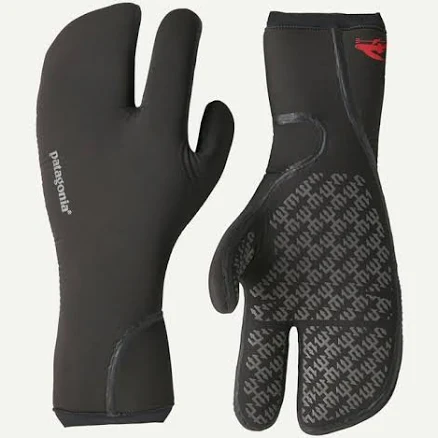
- Yulex (synthetic rubber), neoprene-free alternative
- The brand calls it PFAS-free, which we have not verified
- Allergic contact dermatitis (rubber/guayule sensitivity)
2 hazards checked on this product, all on its full breakdown.
- Polyester fleece (Synchilla®); no water-repellent treatment disclosed
- The brand calls it PFAS-free, which we have not verified
- Microplastics
2 hazards checked on this product, all on its full breakdown.
More waterproof winter gloves grades
How we score, every product runs through the same public 0-100 rubric based on materials, coatings, brand disclosure, lab findings, and recalls. See the full methodology → Spotted a mistake? Report an error.