The North Face · Waterproof Winter Gloves
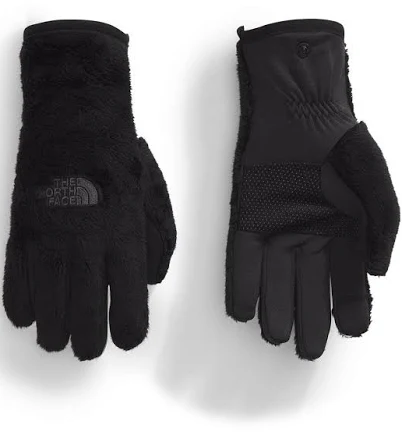
The North Face Women's Osito Etip Glove
Moderate caution; typical fleece glove with likely water-repellent coating but no brand PFAS transparency.
The North Face does not publicly reveal whether this glove's water-repellent coating finish uses PFAS. Fleece gloves commonly receive water-repellent coating treatments historically reliant on fluorochemicals, though some brands have moved to fluorine-free options. The Osito line is not listed as PFAS-free certified.
The better-graded swap
Patagonia
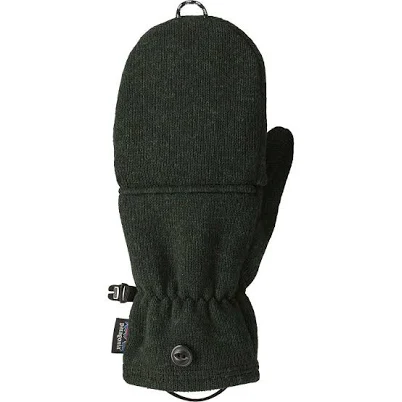
Better Sweater Gloves Patagonia Women's
90/100 safety
Same rubric that flunked this product. The swap earned Excellent.
Still want this one anyway? Check the price on Amazon. We’d swap it.
Material
Polyester shell with water-repellent coating finish; fleece lining
Lab data
No public lab test
You may also be interested in
Top-graded picks in the categories readers replace first, every one scored on the same rubric.

- polypropylene filter housing, carbon/sediment cartridge
- We found no PFAS statement from the brand
- Bacterial growth in spent cartridges
3 hazards checked on this product, all on its full breakdown.

Aquasure
Premier Series 75 GPD Under Sink Reverse Osmosis Water Filtration System
- RO membrane, carbon filters, stainless steel housing
- We found no PFAS statement from the brand
- Bacterial and microbial growth in housing and filters
4 hazards checked on this product, all on its full breakdown.

Avocado
Vegan Mattress
- organic cotton, natural latex, coconut coir, recycled steel coils
- The brand calls it PFAS-free, which we have not verified
- Heavy metals
2 hazards checked on this product, all on its full breakdown.
What The North Face Women's Osito Etip Glove is made of, ingredients and materials
The Osito Etip uses a polyester shell with a water-repellent coating (water-repellent coating) finish and fleece lining. water-repellent coating coatings on outdoor textiles are typically fluorocarbon-based, which is the primary PFAS concern in this product category. The polyester itself is stable and does not leach chemicals under normal wear, but the water-repellent coating treatment applied to the outer layer is where potential fluorinated compounds reside. Fleece lining (also polyester) can shed microfibers, though this is a minor concern for gloves compared to garments with higher surface area contact.
What’s concerning
Category baseline
The starting point for this type of product, before anything specific to this product is counted.
No PFAS disclosure
No public statement from the brand about PFAS in this product.
Waterproof / stain-resistant treatment
Water-repellent coating treatments have historically used PFAS.
PFAS
Polyester gloves require water-repellent treatment; most are fluorocarbon-based. No specific test data available for the Osito Etip, but industry standard practice assumes fluorinated water-repellent coating. Risk is primarily environmental (care/washing) rather than direct skin contact during wear.
Source, ATSDR ↗Polyester microfiber shedding
Fleece lining and polyester shell will shed synthetic fibers with wear and washing. For gloves, the quantity and skin contact are minimal compared to base layers or fleece jackets; not a primary concern for this product category.
Coating degradation and leaching from heat exposure
Machine drying, ironing, or prolonged storage in warm/humid conditions may degrade the water-repellent coating finish and theoretically increase leachate potential. Proper air drying and cool storage mitigate this risk significantly.
What’s reassuring
Formaldehyde / VOCs
No recalls or reported contamination for The North Face textiles in this product line. Polyester dyeing does use formaldehyde-based resins in some supply chains, but finished glove testing has not flagged this as an issue; standard for the industry.
Source, ATSDR ↗How is this PFAS grade calculated?
The brand's record and disclosure
The North Face has not published a clear stance on PFAS elimination in their product lines, despite being a subsidiary of VF Corporation (parent company of Timberland and Vans, which have made some PFAS commitments). The brand does not list PFAS-free or fluorocarbon-free certifications on the Osito Etip product page. No major safety recalls or hazard reports are on record for this specific glove model. The lack of transparency on water-repellent coating chemistry is consistent with industry-wide reluctance to disclose supplier details rather than a sign of extreme risk.
How it compares in its category
Most mainstream winter gloves in this price and performance tier use identical polyester-plus-water-repellent coating construction; the Osito Etip is not an outlier. Alternatives marketed as PFAS-free or using wax-based water repellent treatments do exist but are less common and often more expensive or have reduced durability. Fleece-lined winter gloves from premium brands (Arc'teryx, Patagonia) may offer slightly better transparency or certified low-fluorine options, but still rely on some form of water-resistant coating. The Osito Etip's main advantage is affordability; the safety trade-off is typical for the category.
If you buy it
Wear and care as normal; winter gloves are low-contact-area items unlikely to transfer chemicals to skin in meaningful quantities. Wash gently in cool water and air dry to preserve the water-repellent coating; avoid prolonged exposure to heat (dishwasher, dryer) which may accelerate coating breakdown and potential leaching. Replace when the water-repellency noticeably fails (water beads rather than rolls off), typically 1-3 seasons depending on use. Consider requesting product-specific PFAS test results from The North Face before repurchase if PFAS exposure is a priority for you.
What is not known about PFAS in this product?
- Basis
- Model estimate, 45% confidence, not a lab result
- Lab test
- None on record for this exact product
- Brand statement
- The North Face has made a specific claim
Formulations change between production runs, so check the current label. How we grade.
What are the PFAS-free alternatives to The North Face Women's Osito Etip Glove?
- Polyester fleece (recycled)
- The brand calls it PFAS-free, which we have not verified
- Heavy metals
2 hazards checked on this product, all on its full breakdown.
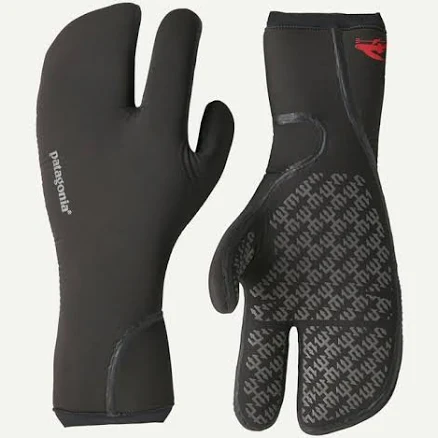
- Yulex (synthetic rubber), neoprene-free alternative
- The brand calls it PFAS-free, which we have not verified
- Allergic contact dermatitis (rubber/guayule sensitivity)
2 hazards checked on this product, all on its full breakdown.
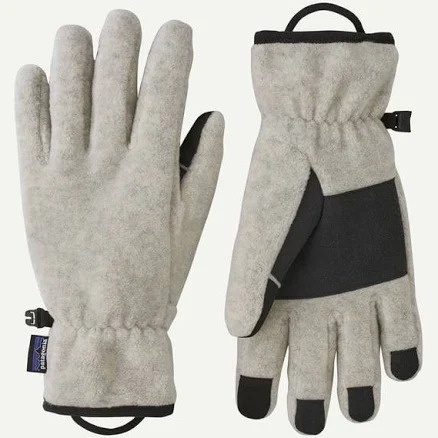
- Polyester fleece (Synchilla®); no water-repellent treatment disclosed
- The brand calls it PFAS-free, which we have not verified
- Microplastics
2 hazards checked on this product, all on its full breakdown.
More waterproof winter gloves grades
How we score, every product runs through the same public 0-100 rubric based on materials, coatings, brand disclosure, lab findings, and recalls. See the full methodology → Spotted a mistake? Report an error.