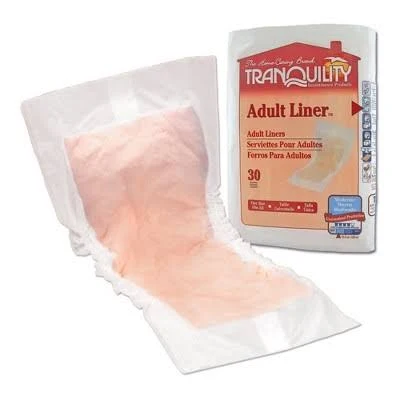
Tranquility · Incontinence Pads & Protection
Tranquility Adult
Unclear waterproof coating composition warrants concern and brand transparency.
These incontinence pads have a waterproof backing of unknown makeup. No PFAS information or independent testing exists, though fluorinated coatings are common in waterproof products.
The better-graded swap
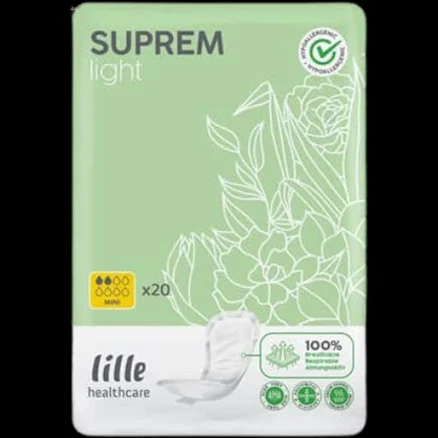
Lille
Suprem Light Mini 220ml 12 Packs Per Carton
70/100 safety
Same rubric that flunked this product. The swap earned Good.
Still want this one anyway? Check the price on Amazon. We’d swap it.
Material
Cellulose core with plastic backing and waterproof coating (unspecified)
Brand disclosure
Brand is silent on PFAS
Lab data
No public lab test
You may also be interested in
Top-graded picks in the categories readers replace first, every one scored on the same rubric.

- polypropylene filter housing, carbon/sediment cartridge
- We found no PFAS statement from the brand
- Bacterial growth in spent cartridges
3 hazards checked on this product, all on its full breakdown.

Aquasure
Premier Series 75 GPD Under Sink Reverse Osmosis Water Filtration System
- RO membrane, carbon filters, stainless steel housing
- We found no PFAS statement from the brand
- Bacterial and microbial growth in housing and filters
4 hazards checked on this product, all on its full breakdown.

Avocado
Vegan Mattress
- organic cotton, natural latex, coconut coir, recycled steel coils
- The brand calls it PFAS-free, which we have not verified
- Heavy metals
2 hazards checked on this product, all on its full breakdown.
What Tranquility Adult is made of, ingredients and materials
Tranquility Adult uses a cellulose absorptive core, which is biodegradable and poses minimal chemical leaching risk during normal use. The product includes a plastic backing and waterproof coating of unspecified composition. The waterproof layer is the critical unknown, modern incontinence pads typically use either polyethylene film, polypropylene, or synthetic polymers with fluorinated compounds (PFAS) to achieve moisture barriers. Without ingredient disclosure, the exact chemical identity of this coating cannot be verified.
What’s concerning
Category baseline
The starting point for this type of product, before anything specific to this product is counted.
No PFAS disclosure
No public statement from the brand about PFAS in this product.
Waterproof / stain-resistant treatment
Water-repellent coating treatments have historically used PFAS.
Waterproof coating composition (unspecified fluorinated or synthetic polymer)
Tranquility does not publicly identify the waterproof layer chemistry. If fluorinated (PFAS-based), dermal contact during extended wear could present low but non-zero exposure; if non-fluorinated synthetic polymer, chemical leaching is lower but still unverified.
Plastic backing degradation over time and storage
Polyethylene or polypropylene backing can degrade under heat, light, or extended storage, potentially releasing oligomers or softening agents. No shelf-life guidance is prominently displayed on typical packaging.
Skin sensitization from cellulose or processing residues
Incontinence products can trigger irritant or allergic dermatitis in sensitive individuals, though this is more often mechanical (moisture occlusion) than chemical. Cellulose itself is hypoallergenic, but bleaching agents and processing residues are not typically disclosed.
Absence of transparency hindering informed choice for medical populations
Adult incontinence users often include elderly, disabled, and immunocompromised individuals with greater sensitivity to chemical exposure and skin integrity concerns. Lack of ingredient disclosure limits ability to match product to individual risk profiles.
What’s reassuring
Adhesive and fastener components (unspecified)
Side fasteners and adhesive strips in adult incontinence pads are rarely detailed in safety literature. No reported sensitization or chemical hazard is established for this product, but composition remains proprietary.
How is this PFAS grade calculated?
The brand's record and disclosure
Tranquility (Attends brand family, owned by Medline) does not publicly disclose detailed material composition or waterproof coating chemistry on product packaging or corporate websites reviewed in public record. The brand has not obtained third-party certifications (such as Cradle to Cradle or bluesign) that would verify chemical safety. No major recalls or documented contamination incidents are recorded for this specific product line, but absence of disclosure is distinct from absence of risk.
How it compares in its category
Adult incontinence products span a wide spectrum of transparency. Competitors like Tena and Depend offer slightly more material detail in marketing materials, though full coating composition remains proprietary across the category. Cellulose-core designs are industry standard and have lower concern than fully plastic-backed alternatives. Products certified by European safety standards (CE mark for medical devices) often undergo more rigorous chemical screening than unilabeled consumer products, giving them a modest advantage.
If you buy it
Store in a cool, dry place away from direct heat or sunlight, which can degrade polymer backing and increase leaching risk. Do not rinse and reuse; discard after single use to avoid bacterial growth and coating breakdown. If skin irritation, rash, or chemical odor develops, discontinue and contact dermatologist or physician. Consider requesting detailed material safety data from the manufacturer if you have chemical sensitivities or need assurance for institutional procurement.
What is not known about PFAS in this product?
- Basis
- Model estimate, 45% confidence, not a lab result
- Lab test
- None on record for this exact product
- Brand statement
- Tranquility has made none
Formulations change between production runs, so check the current label. How we grade.
What are the PFAS-free alternatives to Tranquility Adult?
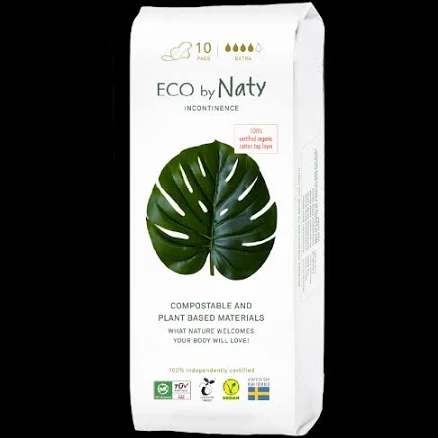
- Bamboo-derived viscose, cotton, plant-based absorbent core
- We found no PFAS statement from the brand
- Heavy metals
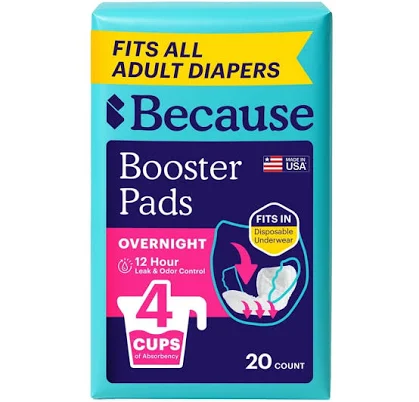
- Cellulose, superabsorbent polymer, cotton blend
- We found no PFAS statement from the brand
- Absorbent material degradation and bacterial growth
2 hazards checked on this product, all on its full breakdown.
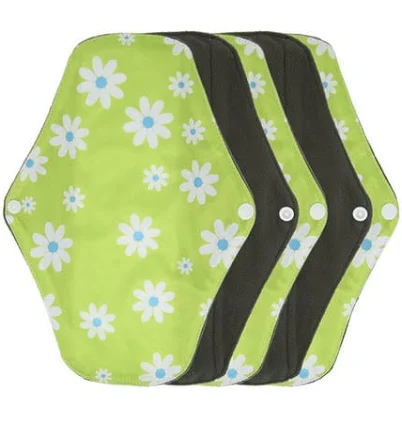
5pcs Bamboo Charcoal Washable Incontinence Pads
- bamboo charcoal textile, washable cotton-blend absorbent layer
- We found no PFAS statement from the brand
- Azo dyes and synthetic colorants
4 hazards checked on this product, all on its full breakdown.
More incontinence pads & protection grades
How we score, every product runs through the same public 0-100 rubric based on materials, coatings, brand disclosure, lab findings, and recalls. See the full methodology → Spotted a mistake? Report an error.