Tranquility · Incontinence Pads & Protection
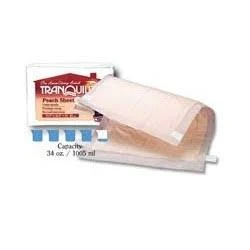
Tranquility Peach Sheet Underpad 34oz
Waterproof backing unspecified; request full material disclosure before buying.
This underpad has an absorbent core and waterproof backing with undisclosed coating details. The brand hasn't published PFAS information or material specifications.
The better-graded swap
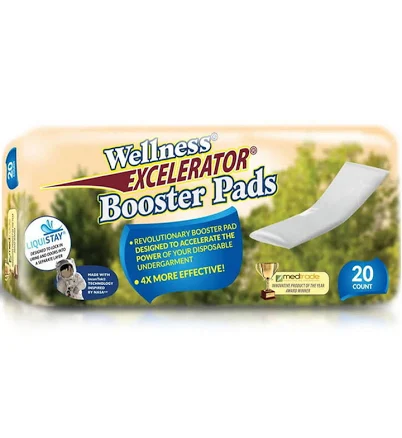
Wellness
Wellness Excelerator Booster Pad
70/100 safety
Same rubric that flunked this product. The swap earned Good.
Still want this one anyway? Check the price on Amazon. We’d swap it.
Material
Absorbent core with waterproof backing layer, unspecified coating
Brand disclosure
Brand is silent on PFAS
Lab data
No public lab test
You may also be interested in
Top-graded picks in the categories readers replace first, every one scored on the same rubric.

- polypropylene filter housing, carbon/sediment cartridge
- We found no PFAS statement from the brand
- Bacterial growth in spent cartridges
3 hazards checked on this product, all on its full breakdown.

Aquasure
Premier Series 75 GPD Under Sink Reverse Osmosis Water Filtration System
- RO membrane, carbon filters, stainless steel housing
- We found no PFAS statement from the brand
- Bacterial and microbial growth in housing and filters
4 hazards checked on this product, all on its full breakdown.

Avocado
Vegan Mattress
- organic cotton, natural latex, coconut coir, recycled steel coils
- The brand calls it PFAS-free, which we have not verified
- Heavy metals
2 hazards checked on this product, all on its full breakdown.
What Tranquility Peach Sheet Underpad 34oz is made of, ingredients and materials
Tranquility Peach Sheet Underpads combine a cellulose/superabsorbent polymer absorbent core with a waterproof backing layer of unspecified composition. The backing is critical because it must block moisture and urine from reaching sheets and mattress; the specific polymer or coating used determines whether PFAS, plasticizers, or other leachables migrate into contact with skin or bedding during use and washing. Without material disclosure, you cannot verify whether this backing relies on fluorinated compounds (PFAS) or other synthetic polymers.
What’s concerning
Category baseline
The starting point for this type of product, before anything specific to this product is counted.
No PFAS disclosure
No public statement from the brand about PFAS in this product.
Waterproof / stain-resistant treatment
Water-repellent coating treatments have historically used PFAS.
PFAS
Fluorinated polymers (PFAS) are common in waterproof textiles and underpads to achieve repellency. Tranquility has not disclosed whether its backing uses PFAS or PFAS-free alternatives; skin contact and laundering may mobilize leachates if present.
Source, ATSDR ↗Bacterial colonization in absorbent core
Underpads create a warm, moist microenvironment that supports growth of urinary tract and skin bacteria if not washed after use. Cellulose-based cores are susceptible; daily laundering is essential to prevent odor, rashes, and infection risk.
Coating degradation over time
Waterproof backings on underpads commonly fail after 6-12 months of use and repeated washing. Degradation exposes the absorbent core and allows urine and moisture to saturate bedding, increasing exposure to residual chemicals and urine metabolites on skin.
Skin irritation from synthetic polymers and residues
Individuals with sensitive skin may experience contact dermatitis from residual monomers, processing chemicals, or degradation byproducts in polyurethane or polyethylene backings, especially if not thoroughly rinsed before use.
What’s reassuring
Off-gassing of volatile organic compounds (VOCs)
No specific VOC emissions have been reported for Tranquility underpads, but new synthetic polymer backings may release trace VOCs during initial storage and use; airing the product before first use and ensuring ventilation in the room reduces potential exposure.
How is this PFAS grade calculated?
The brand's record and disclosure
Tranquility (Attends Healthcare Products, Essity subsidiary) has not publicly disclosed waterproof backing materials, PFAS content, or manufacturing certifications for this product line. The brand has not faced major recalled hazards specific to underpads in recent records, but remains silent on composition transparency and PFAS phase-out timelines. No independent certifications (e.g., Cradle to Cradle, OEKO-TEX) are listed on packaging or marketing materials reviewed.
How it compares in its category
Period and incontinence underpads typically use polyurethane, polypropylene, or polyethylene as waterproof backings; some now disclose PFAS-free constructions (e.g., Aisle, Rael). Tranquility's silence on backing material is a gap vs. competitors offering transparency. The 34oz absorbency is mid-range for adult underpads and adequate for light to moderate flow; it does not offset material uncertainty.
If you buy it
Wash after each use in warm water to reduce bacterial growth and odor buildup in the absorbent core. Do not use fabric softeners or bleach, as these can degrade waterproof coatings and increase leakage. Store in a cool, dry place away from direct heat or sunlight to preserve backing integrity. Replace every 6-12 months or sooner if waterproofing fails (wet patches appear under the absorbent layer).
What is not known about PFAS in this product?
- Basis
- Model estimate, 45% confidence, not a lab result
- Lab test
- None on record for this exact product
- Brand statement
- Tranquility has made none
Formulations change between production runs, so check the current label. How we grade.
What are the PFAS-free alternatives to Tranquility Peach Sheet Underpad 34oz?
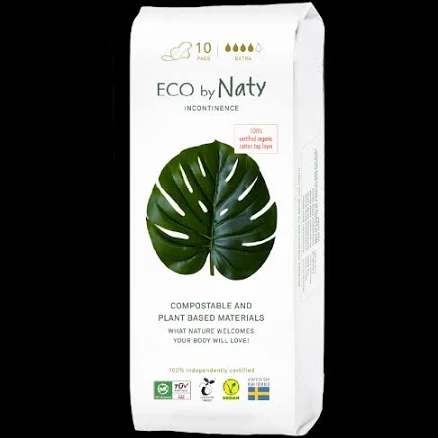
- Bamboo-derived viscose, cotton, plant-based absorbent core
- We found no PFAS statement from the brand
- Heavy metals
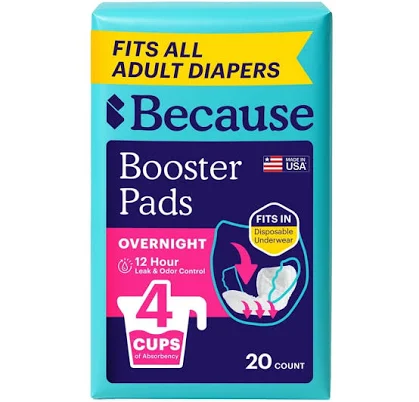
- Cellulose, superabsorbent polymer, cotton blend
- We found no PFAS statement from the brand
- Absorbent material degradation and bacterial growth
2 hazards checked on this product, all on its full breakdown.
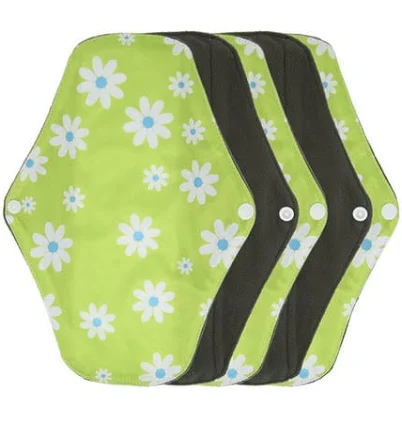
5pcs Bamboo Charcoal Washable Incontinence Pads
- bamboo charcoal textile, washable cotton-blend absorbent layer
- We found no PFAS statement from the brand
- Azo dyes and synthetic colorants
4 hazards checked on this product, all on its full breakdown.
More incontinence pads & protection grades
How we score, every product runs through the same public 0-100 rubric based on materials, coatings, brand disclosure, lab findings, and recalls. See the full methodology → Spotted a mistake? Report an error.