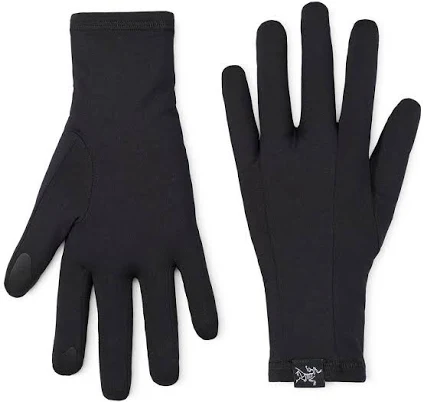
Arc'teryx · Waterproof Winter Gloves
Arc'teryx Rho Glove
Moderate PFAS concern from water-repellent coating, Arc'teryx offers no disclosure on formula.
The merino wool glove features water-repellent coating treatment, a category historically associated with PFAS. Arc'teryx makes no public disclosure of water-repellent coating formulation or PFAS status. Without independent lab data or brand transparency, PFAS presence cannot be ruled out.
The better-graded swap
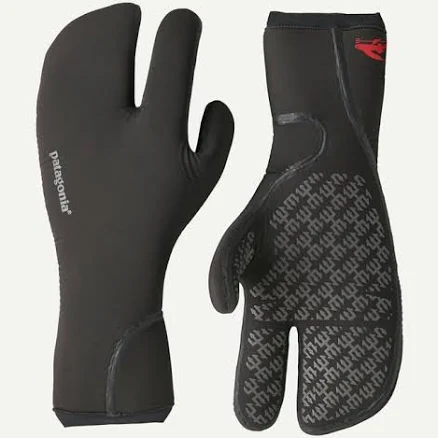
Patagonia
Patagonia R4 Yulex Regulator Three Finger Mitts
90/100 safety
Same rubric that flunked this product. The swap earned Excellent.
Still want this one anyway? Check the price on Amazon. We’d swap it.
Material
Merino wool blend with water-repellent coating finish
Lab data
No public lab test
You may also be interested in
Top-graded picks in the categories readers replace first, every one scored on the same rubric.

- polypropylene filter housing, carbon/sediment cartridge
- We found no PFAS statement from the brand
- Bacterial growth in spent cartridges
3 hazards checked on this product, all on its full breakdown.

Aquasure
Premier Series 75 GPD Under Sink Reverse Osmosis Water Filtration System
- RO membrane, carbon filters, stainless steel housing
- We found no PFAS statement from the brand
- Bacterial and microbial growth in housing and filters
4 hazards checked on this product, all on its full breakdown.

Avocado
Vegan Mattress
- organic cotton, natural latex, coconut coir, recycled steel coils
- The brand calls it PFAS-free, which we have not verified
- Heavy metals
2 hazards checked on this product, all on its full breakdown.
What Arc'teryx Rho Glove is made of, ingredients and materials
The Rho Glove is a merino wool blend with a water-repellent coating (water-repellent coating) finish. Merino wool itself is a natural protein fiber with minimal toxicological concern in apparel; the hazard profile depends entirely on the water-repellent coating chemistry. Arc'teryx does not publicly specify whether the water-repellent coating uses traditional PFOA/PFOS-class fluorocarbons, newer shorter-chain fluorocarbons, or non-fluorinated alternatives. The wool base eliminates concerns around synthetic dye toxins, formaldehyde resins, and antimony that affect 100% polyester gloves.
What’s concerning
Category baseline
The starting point for this type of product, before anything specific to this product is counted.
No PFAS disclosure
No public statement from the brand about PFAS in this product.
Waterproof / stain-resistant treatment
Water-repellent coating treatments have historically used PFAS.
water-repellent coating (water-repellent coating) fluorinated compounds
Arc'teryx does not disclose water-repellent coating chemistry. Standard practice in outdoor apparel uses C6 or C8 fluorocarbons; shorter-chain alternatives exist but are not confirmed here. No leaching data available for this specific product.
Microfiber shedding from synthetic blend components
If the blend includes nylon or polyester reinforcement, washing releases microfibers. Merino-dominant blends shed less than 100% synthetic gloves. Frequency and volume depend on exact fiber ratio, which Arc'teryx does not disclose.
What’s reassuring
Formaldehyde / VOCs
Merino wool apparel is typically finished without formaldehyde cross-linkers, unlike many synthetic textiles. No reports of formaldehyde contamination in Arc'teryx merino products on record.
Source, ATSDR ↗Azo dyes and dye allergens
Merino wool dyes are generally non-azo or restricted-azo due to EU and oeko-tex market pressure. No specific dye analysis available for the Rho Glove, but merino apparel presents lower azo risk than synthetic alternatives.
Antimony in polyester (if present in blend)
Antimony is a catalyst used in polyester production. If the Rho Glove contains polyester components, typical concentrations are below 250 ppm; however, Arc'teryx does not publish fiber percentages or material testing.
How is this PFAS grade calculated?
The brand's record and disclosure
Arc'teryx is a premium outdoor brand owned by Salomon/Amer Sports and maintains no published chemical disclosure policies or third-party certifications (bluesign, OEKO-TEX, etc.) for textiles. The brand has not issued statements on PFAS phase-out timelines or water-repellent coating alternatives. No recalls, contamination incidents, or regulatory findings are on record for Arc'teryx apparel. This silence on chemical sourcing is consistent with many outdoor brands but limits transparency compared to leaders in the category.
How it compares in its category
Winter gloves typically use polyester, nylon, or wool bases. Merino wool gloves incur lower synthetic chemical risk than fully synthetic alternatives; however, the water-repellent coating treatment is ubiquitous across the price spectrum and rarely disclosed. Competitors like Patagonia and some Icebreaker lines offer similar merino blends with equally opaque water-repellent coating chemistry. Arc'teryx prices at a premium but does not offer additional transparency or certified low-PFAS alternatives, placing it mid-category on disclosure.
If you buy it
Hand-wash in cool water with mild soap to preserve the water-repellent coating and avoid degradation that could release trapped finishes. Avoid hot water and machine drying, which can shorten glove life and increase coating wear. Expect water-repellent coating reapplication or replacement after 2-3 seasons of heavy use, as the coating naturally wears with friction and washing. Store in a dry place; damp storage encourages mold growth and odor, particularly in wool.
What is not known about PFAS in this product?
- Basis
- Model estimate, 45% confidence, not a lab result
- Lab test
- None on record for this exact product
- Brand statement
- Arc'teryx has made a specific claim
Formulations change between production runs, so check the current label. How we grade.
What are the PFAS-free alternatives to Arc'teryx Rho Glove?
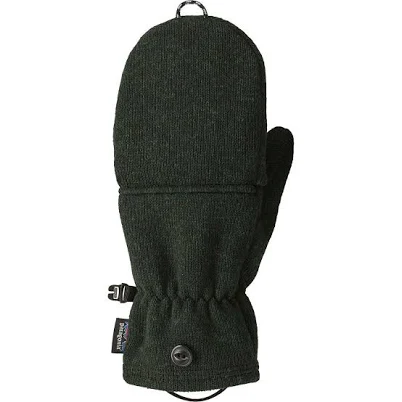
- Polyester fleece (recycled)
- The brand calls it PFAS-free, which we have not verified
- Heavy metals
2 hazards checked on this product, all on its full breakdown.
- Yulex (synthetic rubber), neoprene-free alternative
- The brand calls it PFAS-free, which we have not verified
- Allergic contact dermatitis (rubber/guayule sensitivity)
2 hazards checked on this product, all on its full breakdown.
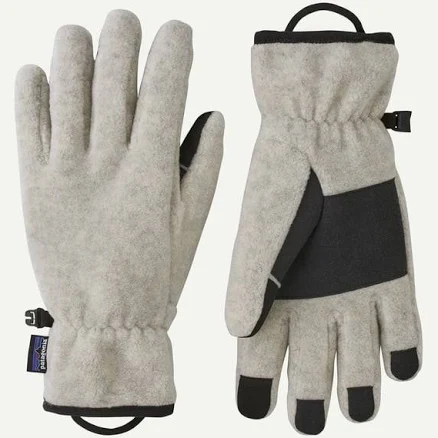
- Polyester fleece (Synchilla®); no water-repellent treatment disclosed
- The brand calls it PFAS-free, which we have not verified
- Microplastics
2 hazards checked on this product, all on its full breakdown.
More waterproof winter gloves grades
How we score, every product runs through the same public 0-100 rubric based on materials, coatings, brand disclosure, lab findings, and recalls. See the full methodology → Spotted a mistake? Report an error.