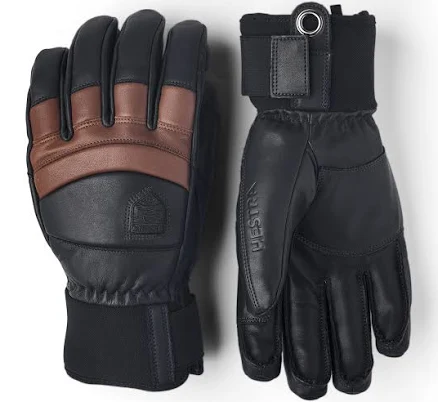
Hestra · Waterproof Winter Gloves
Hestra Fall Line Leather Ski Gloves
Leather gloves carry moderate PFAS risk from water-repellent coating finishes; Hestra's treatment details remain opaque.
Hestra Fall Line Leather Ski Gloves are leather with water-repellent coating, historically reliant on PFAS-based water-repellent coating finishes. Hestra does not publicly reveal what water-repellent chemistry is used. No third-party PFAS testing or certification is available.
The better-graded swap
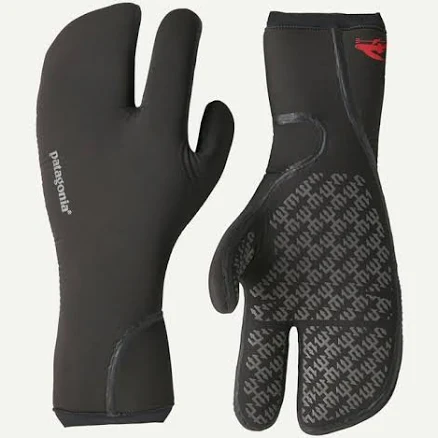
Patagonia
Patagonia R4 Yulex Regulator Three Finger Mitts
90/100 safety
Same rubric that flunked this product. The swap earned Excellent.
Still want this one anyway? Check the price on Amazon. We’d swap it.
Material
leather with water-repellent treatment
Brand disclosure
Brand is silent on PFAS
Lab data
No public lab test
You may also be interested in
Top-graded picks in the categories readers replace first, every one scored on the same rubric.

- polypropylene filter housing, carbon/sediment cartridge
- We found no PFAS statement from the brand
- Bacterial growth in spent cartridges
3 hazards checked on this product, all on its full breakdown.

Aquasure
Premier Series 75 GPD Under Sink Reverse Osmosis Water Filtration System
- RO membrane, carbon filters, stainless steel housing
- We found no PFAS statement from the brand
- Bacterial and microbial growth in housing and filters
4 hazards checked on this product, all on its full breakdown.

Avocado
Vegan Mattress
- organic cotton, natural latex, coconut coir, recycled steel coils
- The brand calls it PFAS-free, which we have not verified
- Heavy metals
2 hazards checked on this product, all on its full breakdown.
What Hestra Fall Line Leather Ski Gloves is made of, ingredients and materials
Hestra Fall Line gloves are constructed from leather (likely goat or sheep leather, typical for ski gloves) with a proprietary water-repellent treatment applied to the exterior. The water-repellent coating (water-repellent coating) finish is the primary chemical concern, leather tannage itself is well-established, but the fluorinated or non-fluorinated polymer coating used to make these gloves water-resistant is not publicly disclosed by Hestra. Leather absorbs sweat and oils during use, which can interact with surface treatments over time, potentially affecting durability and chemical leaching into skin contact areas.
What’s concerning
Category baseline
The starting point for this type of product, before anything specific to this product is counted.
No PFAS disclosure
No public statement from the brand about PFAS in this product.
Waterproof / stain-resistant treatment
Water-repellent coating treatments have historically used PFAS.
PFAS
Hestra does not disclose whether Fall Line gloves use legacy PFOA/PFOS-based fluorocarbons or newer short-chain alternatives (PFHxS, GenX). Skin contact with the exterior during wear and handling exposes users to potential dermal absorption, though quantified risk remains unknown without product testing.
Source, ATSDR ↗Coating degradation and leaching over time
Repeated flexing, sweat exposure, and thermal cycling during ski use may cause the water-repellent coating finish to crack or flake microscopically. Degraded coating particles or residual finish monomers could contact skin or be inhaled if fine dust is released. Hestra provides no data on degradation kinetics or particle safety.
Azo dyes in leather coloring
Hestra does not disclose dye composition for this model. Premium leather gloves may use restricted azo dyes (banned in EU but not universally in other markets); chromatic blacks and dark browns carry higher historical risk. No specific data available for this brand.
What’s reassuring
Formaldehyde / VOCs
Hestra does not publish tannage method (chrome vs. vegetable); most leather gloves use chrome tannage, which leaves trace chromium. No recalls or documented contamination for this brand. Chromium risk is minimal in finished leather, but prolonged skin contact in a warm, moist (sweaty) glove environment could theoretically increase absorption.
Source, ATSDR ↗Contact allergens from dyes or finishes
No documented contact dermatitis or allergen issues specific to Hestra Fall Line gloves. Leather dyes and finish polymers can trigger sensitivity in susceptible individuals; risk is low but not ruled out without dermatological testing.
How is this PFAS grade calculated?
The brand's record and disclosure
Hestra is a Swedish glove manufacturer with a heritage in quality construction and has not publicly committed to PFAS-free water repellent treatments or published detailed material safety disclosures. The company does not advertise third-party certifications (such as OEKO-TEX or Bluesign) for this model that would confirm absence of hazardous finishes. Hestra's silence on water-repellent coating chemistry is consistent with industry practice, but leaves consumers unable to verify whether fluorinated or fluorine-free water repellents are used.
How it compares in its category
Most premium leather ski gloves (including models from Mammut, Arc'teryx, and other brands) rely on chemical water-repellent coating finishes rather than waxing or untreated leather, making Hestra's approach typical rather than exceptional. Some brands now offer Paraffin or plant-based wax finishes as PFAS-free alternatives, though these require more frequent reapplication and lower water resistance. Hestra's reputation for durability and construction quality is competitive; the hazard profile is neither better nor worse than comparable mid-to-premium leather gloves without disclosed treatment details.
If you buy it
Wash gloves infrequently and gently (cool water, mild soap) to preserve the water-repellent coating and minimize chemical exposure from repeated treatment contact with skin. Allow them to air dry completely away from direct heat (never in a dryer or near a radiator), as excessive heat can degrade both leather and finish. Expect the water repellency to diminish after 2-3 seasons of regular use; professional re-treatment services exist but reapply similar fluorinated finishes. Replace gloves when the leather begins to crack or the water-repellent coating no longer beads water, as degraded coating may increase leaching risk.
What is not known about PFAS in this product?
- Basis
- Model estimate, 55% confidence, not a lab result
- Lab test
- None on record for this exact product
- Brand statement
- Hestra has made none
Formulations change between production runs, so check the current label. How we grade.
What are the PFAS-free alternatives to Hestra Fall Line Leather Ski Gloves?
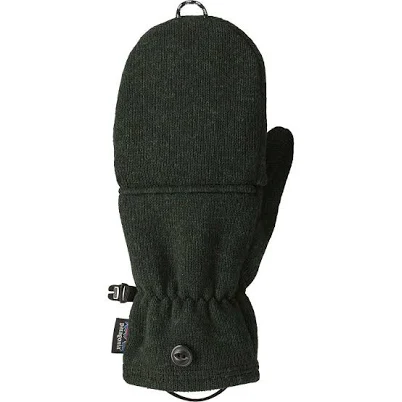
- Polyester fleece (recycled)
- The brand calls it PFAS-free, which we have not verified
- Heavy metals
2 hazards checked on this product, all on its full breakdown.
- Yulex (synthetic rubber), neoprene-free alternative
- The brand calls it PFAS-free, which we have not verified
- Allergic contact dermatitis (rubber/guayule sensitivity)
2 hazards checked on this product, all on its full breakdown.
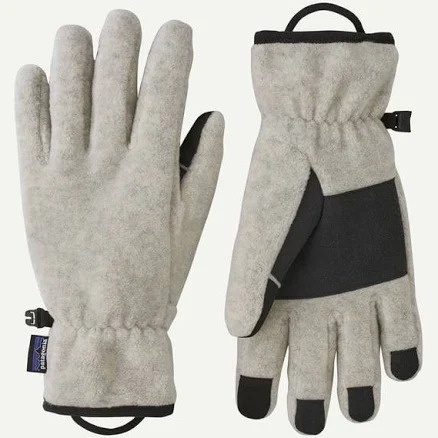
- Polyester fleece (Synchilla®); no water-repellent treatment disclosed
- The brand calls it PFAS-free, which we have not verified
- Microplastics
2 hazards checked on this product, all on its full breakdown.
More waterproof winter gloves grades
How we score, every product runs through the same public 0-100 rubric based on materials, coatings, brand disclosure, lab findings, and recalls. See the full methodology → Spotted a mistake? Report an error.