Marmot · Waterproof Winter Gloves
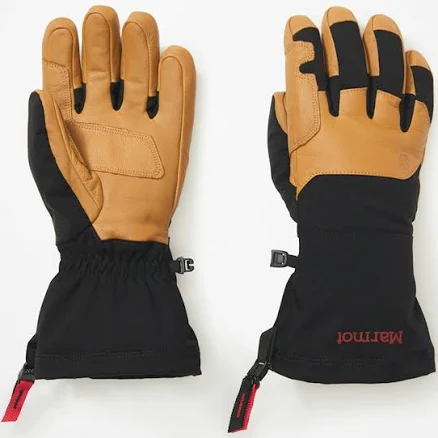
Marmot Exum Guide Glove Men's
water-repellent coating treatment present, PFAS risk not disclosed by brand.
This technical alpine glove features a water-repellent coating treatment, a common vector for PFAS in outdoor apparel. Marmot has no PFAS statement on record for this product. Without lab testing or third-party certification, the actual chemistry of the water-repellent coating treatment remains unknown.
The better-graded swap
Patagonia
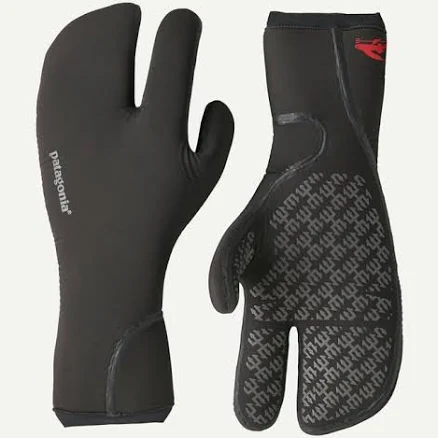
Patagonia R4 Yulex Regulator Three Finger Mitts
90/100 safety
Same rubric that flunked this product. The swap earned Excellent.
Still want this one anyway? Check the price on Amazon. We’d swap it.
Material
synthetic leather/textile blend with water-repellent coating treatment
Lab data
No public lab test
You may also be interested in
Top-graded picks in the categories readers replace first, every one scored on the same rubric.

- polypropylene filter housing, carbon/sediment cartridge
- We found no PFAS statement from the brand
- Bacterial growth in spent cartridges
3 hazards checked on this product, all on its full breakdown.

Aquasure
Premier Series 75 GPD Under Sink Reverse Osmosis Water Filtration System
- RO membrane, carbon filters, stainless steel housing
- We found no PFAS statement from the brand
- Bacterial and microbial growth in housing and filters
4 hazards checked on this product, all on its full breakdown.

Avocado
Vegan Mattress
- organic cotton, natural latex, coconut coir, recycled steel coils
- The brand calls it PFAS-free, which we have not verified
- Heavy metals
2 hazards checked on this product, all on its full breakdown.
What Marmot Exum Guide Glove Men's is made of, ingredients and materials
The Exum Guide Glove uses a synthetic leather outer layer (likely polyurethane or PVC-based) bonded to textile insulation, treated with a water-repellent coating (water-repellent coating) finish. Synthetic leather avoids animal product concerns but depends entirely on the polymer's composition and the water-repellent coating chemistry, which Marmot does not disclose. The textile lining is typically polyester, nylon, or wool blend; polyester in particular can shed microfibers but poses minimal direct toxicity risk in a glove context. water-repellent coating treatments historically relied on PFOA-class fluorocarbons, though newer non-fluorine or short-chain alternatives exist; Marmot's choice is unknown.
What’s concerning
Category baseline
The starting point for this type of product, before anything specific to this product is counted.
No PFAS disclosure
No public statement from the brand about PFAS in this product.
Waterproof / stain-resistant treatment
Water-repellent coating treatments have historically used PFAS.
water-repellent coating (water-repellent coating) coating, fluorine-based or unknown chemistry
Winter gloves with water-repellent coating almost certainly use fluorinated treatments (short-chain PFAS alternatives or legacy PFOA-class) unless explicitly labeled otherwise. Marmot has not disclosed which water-repellent coating chemistry is used in the Exum. Skin contact during wear poses minimal acute risk, but release during washing and disposal pathways are uncertain.
Synthetic leather degradation and leaching
Polyurethane or PVC outer layers can degrade over time and with heat exposure, potentially releasing plasticizers or degradation byproducts. No specific complaints are on record for Marmot gloves, but this is a known risk in the synthetic leather category. Risk is mitigated by cool storage and avoiding prolonged heat.
Microfiber shedding from synthetic textile
Polyester lining can shed microfibers, especially with repeated washing or abrasion. In a glove (worn on hands, not garment-scale exposure), total shedding is minimal compared to jackets or fleece. Environmental impact outweighs direct consumer toxicity risk.
What’s reassuring
Textile dyes and finish chemicals in lining
Polyester or nylon linings may contain residual azo dyes, formaldehyde resin finishes, or heavy metal dyes; however, no recalls or testing results for Marmot Exum Gloves document such contamination. The brand does not certify materials to OEKO-TEX or Bluesign standards, so independent verification is absent.
Contact allergens (dyes, finish residues, fragrance in water-repellent coating treatments)
No documented reports of dermatitis or allergic reactions to Marmot Exum Gloves. Risk is low for most users but possible in individuals with sensitivities to synthetic materials or fluorine-based finishes. Pre-wash gloves if you have reactive skin.
How is this PFAS grade calculated?
The brand's record and disclosure
Marmot is a subsidiary of Soar Technology (owned by Apparel Ventures) and has not published detailed chemical disclosure policies or PFAS elimination commitments comparable to Patagonia or The North Face's public positions. The brand does not list third-party certifications (Bluesign, OEKO-TEX, or GOTS) for this glove, limiting independent verification of hazardous substance use. No recalls or formal complaints specific to Exum Guide Gloves are on record for chemical toxicity. The silence on water-repellent coating sourcing is a transparency gap rather than evidence of harm.
How it compares in its category
Winter gloves in this mid-to-premium segment (insulated, durable, water-resistant) widely use synthetic leather and water-repellent coating treatments; Marmot's approach is standard, not outlier. Competitors like Black Diamond, Arc'teryx, and Mammut face identical PFAS opacity issues unless they explicitly state PFOS-free or fluorine-free commitment. Wool-lined or untreated natural-fiber gloves avoid water-repellent coating chemistry altogether but sacrifice water repellency and durability. The Exum's design and material quality are well-regarded; chemical risk is category-wide, not brand-specific.
If you buy it
Wash gloves by hand in cool water with mild detergent; hot water can degrade synthetic leather and strip water-repellent coating faster. Do not machine wash, tumble dry, or iron. Store in a dry place and avoid prolonged exposure to direct heat (not near heaters, car dashboards, or radiators). Reapply water-repellent coating treatment every 1-2 seasons if water no longer beads on the surface; use a fluorine-free water-repellent coating spray if concerned about PFAS. Replace when insulation compresses, seams fail, or water penetration becomes persistent.
What is not known about PFAS in this product?
- Basis
- Model estimate, 45% confidence, not a lab result
- Lab test
- None on record for this exact product
- Brand statement
- Marmot has made a specific claim
Formulations change between production runs, so check the current label. How we grade.
What are the PFAS-free alternatives to Marmot Exum Guide Glove Men's?
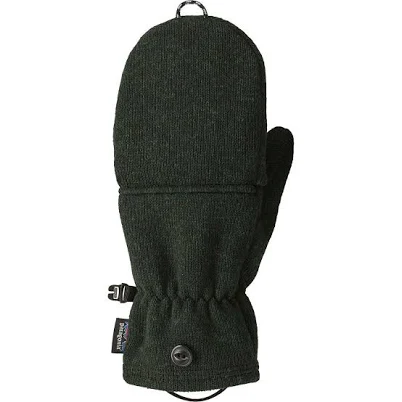
- Polyester fleece (recycled)
- The brand calls it PFAS-free, which we have not verified
- Heavy metals
2 hazards checked on this product, all on its full breakdown.
- Yulex (synthetic rubber), neoprene-free alternative
- The brand calls it PFAS-free, which we have not verified
- Allergic contact dermatitis (rubber/guayule sensitivity)
2 hazards checked on this product, all on its full breakdown.
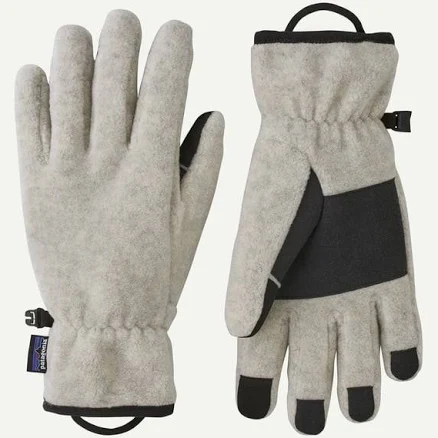
- Polyester fleece (Synchilla®); no water-repellent treatment disclosed
- The brand calls it PFAS-free, which we have not verified
- Microplastics
2 hazards checked on this product, all on its full breakdown.
More waterproof winter gloves grades
How we score, every product runs through the same public 0-100 rubric based on materials, coatings, brand disclosure, lab findings, and recalls. See the full methodology → Spotted a mistake? Report an error.